
American health experts and international disease researchers are warning that bird flu outbreaks could become a significantly larger public health concern if the virus continues spreading among animals and isolated human cases increase.
The warnings come as health agencies continue monitoring new outbreaks involving poultry farms, wild birds, and infected mammals across multiple countries.
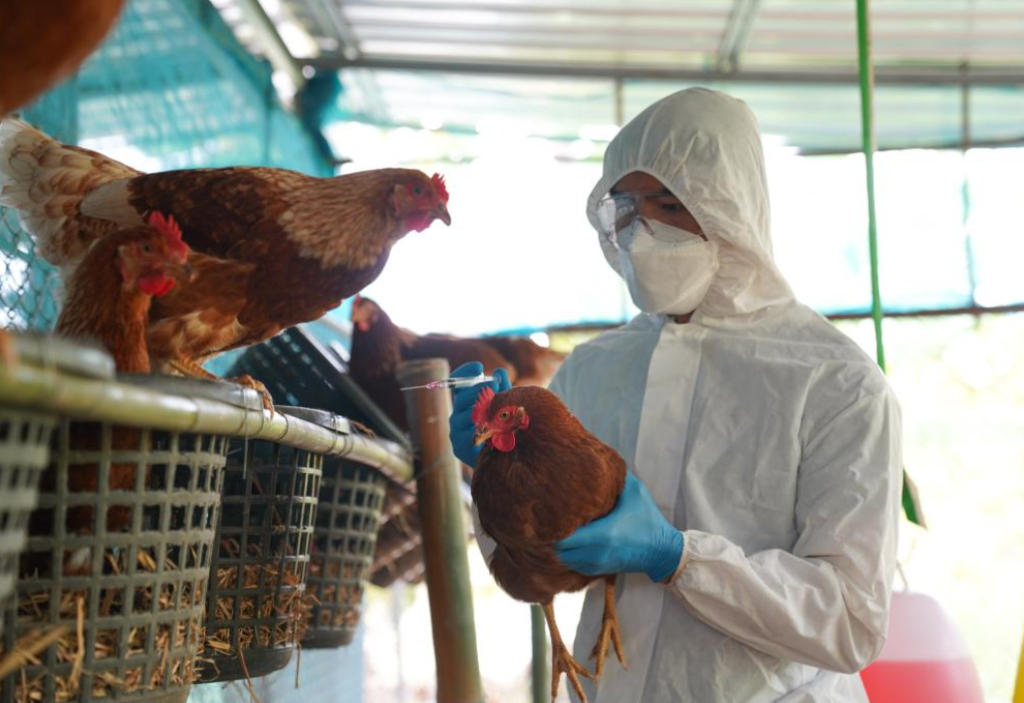
Scientists Increasingly Concerned About Bird Flu
According to reports from U.S. health agencies and researchers, experts are paying close attention to the H5N1 bird flu strain because of its ability to spread across different animal species.
While the virus still does not spread easily between humans, scientists warn that continued mutations could increase future risks if the situation is not contained.
Health authorities say outbreaks involving:
- poultry farms
- dairy cattle
- wild birds
- mammals
have expanded concerns over how the virus may evolve over time.
U.S. Health Agencies Monitoring Closely
The Centers for Disease Control and Prevention (CDC) and other international organizations continue monitoring isolated human infections linked to direct animal exposure.
Officials emphasize that the current risk to the general public remains low, but experts say surveillance efforts are being increased as a precaution.
Researchers are also studying whether future mutations could potentially improve the virus’s ability to infect humans more efficiently.
Economic and Food Supply Concerns Growing
The spread of bird flu has already affected:
- poultry production
- egg prices
- farming operations
- food supply chains
Several countries have implemented new biosecurity measures and monitoring systems to reduce transmission risks in agricultural sectors.
Analysts warn that larger outbreaks could eventually impact food markets and global trade if containment efforts fail.
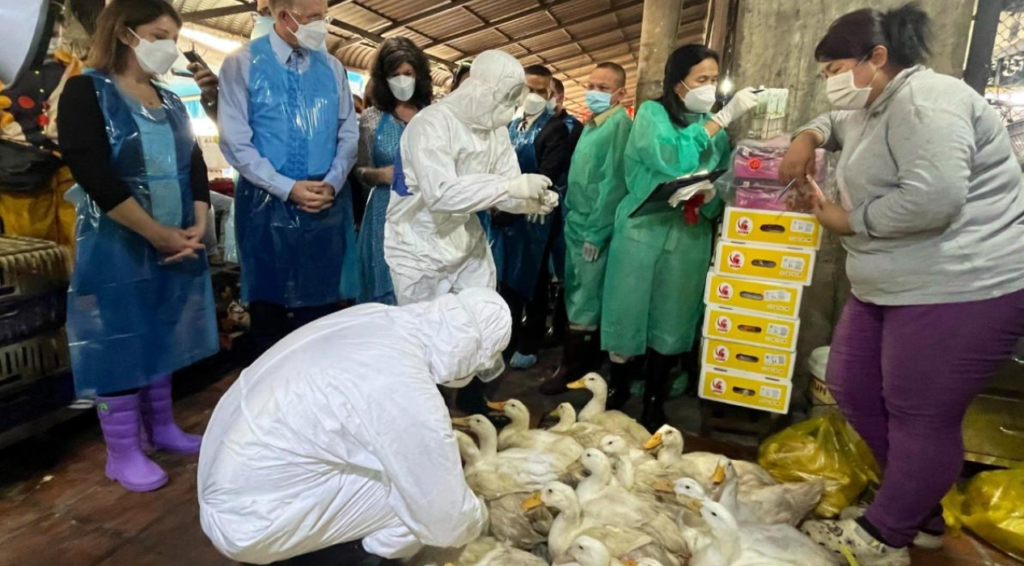
Public Attention Returns to Global Health Risks
The growing discussion around bird flu is also renewing broader public concerns about global health preparedness after the COVID-19 pandemic.
Experts say the current situation does not resemble a pandemic scenario, but many scientists believe stronger monitoring and prevention systems remain extremely important.
Health agencies continue urging caution while emphasizing that most infections remain linked to direct contact with infected animals rather than widespread human transmission.
The situation is now being watched closely worldwide as researchers continue monitoring the evolution of the virus.