
Hantavirus Ship MV Hondius Arrives at Tenerif
The Dutch cruise ship MV Hondius, carrying 147 passengers and crew from 23 nationalities, arrived at the port of Granadilla in Tenerife, Canary Islands, early Sunday morning, May 10, 2026, after weeks stranded at sea following a deadly hantavirus outbreak on board.
Three people have died since the outbreak began in April, and six cases have been laboratory-confirmed as the Andes strain of hantavirus – the only known variant capable of limited human-to-human transmission. Two additional cases are under investigation.
WHO Director-General Tedros Adhanom Ghebreyesus personally traveled to Tenerife to coordinate the evacuation, writing to worried residents: “The current public health risk from hantavirus remains low. This is not another Covid-19.” Spain’s health minister called it an “unprecedented operation,” with a critical 24-hour window to disembark all passengers before worsening weather closes the port.
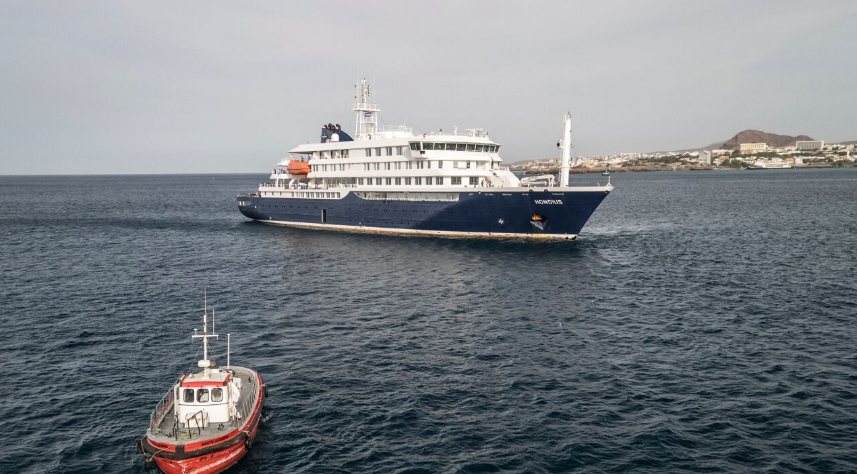
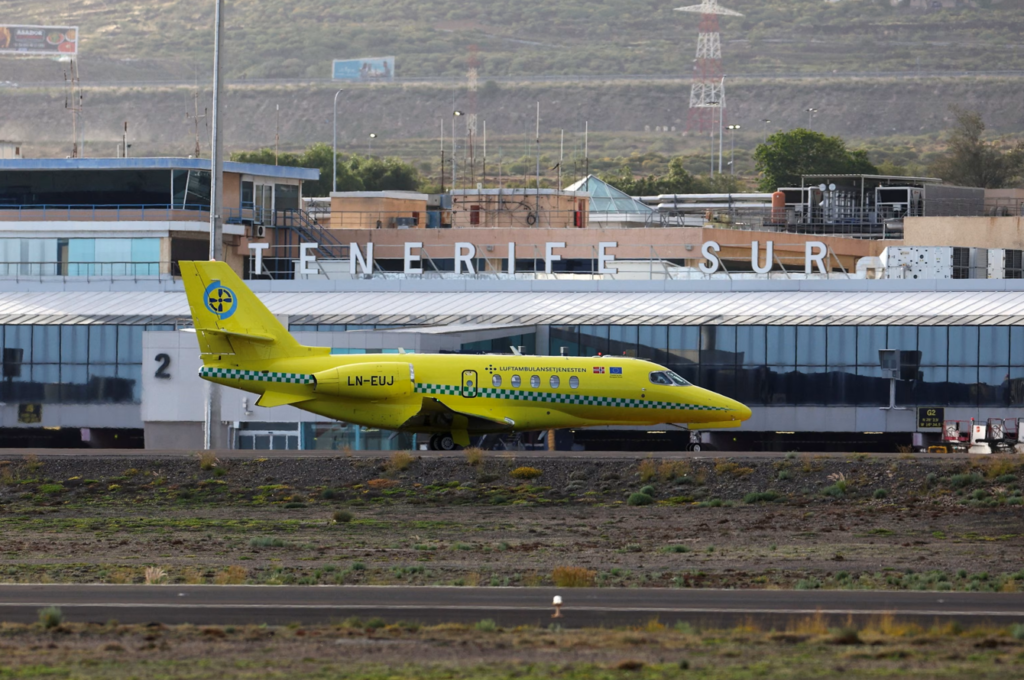
Passengers will be evacuated in small inflatable boats to a completely isolated, cordoned-off area, then transported directly to repatriation flights. The United States is sending a charter aircraft equipped with a biocontainment unit to repatriate 17 American passengers, who will be quarantined at the University of Nebraska Medical Centre. The United Kingdom has also arranged repatriation flights for its nationals.
The evacuation has not been without controversy. The president of the Canary Islands, Fernando Clavijo, initially refused to receive the ship, citing the islands’ painful memories of COVID-19. Dock workers gathered outside the regional parliament in Santa Cruz, blowing whistles and waving banners in protest. An anti-establishment Spanish legal group called for the ship to be barred from Spanish shores entirely.
The outbreak traces back to April 6, 2026, when the first passenger, a 70-year-old Dutch man, developed symptoms after the ship departed Ushuaia, Argentina on April 1. Argentine health authorities confirmed he had completed a four-month road trip across Chile, Uruguay and Argentina before boarding, and are now capturing and testing rodents along his route to identify the source of infection.
Passengers who were still aboard described days of quiet anxiety. “We’re scared by all the news that’s coming out, by how people are going to receive us,” one Spanish passenger told the Associated Press. “We’re just normal people.”