
The Trump administration is reportedly preparing a new round of economic sanctions against Iran as negotiations over the Strait of Hormuz crisis remain highly unstable.
According to multiple reports from U.S. and international media outlets, officials in Washington are discussing additional restrictions targeting Iran’s financial sector, shipping networks, and energy-related exports.
The reported measures come amid growing concerns that tensions in the Gulf region could escalate further if ongoing diplomatic talks fail.
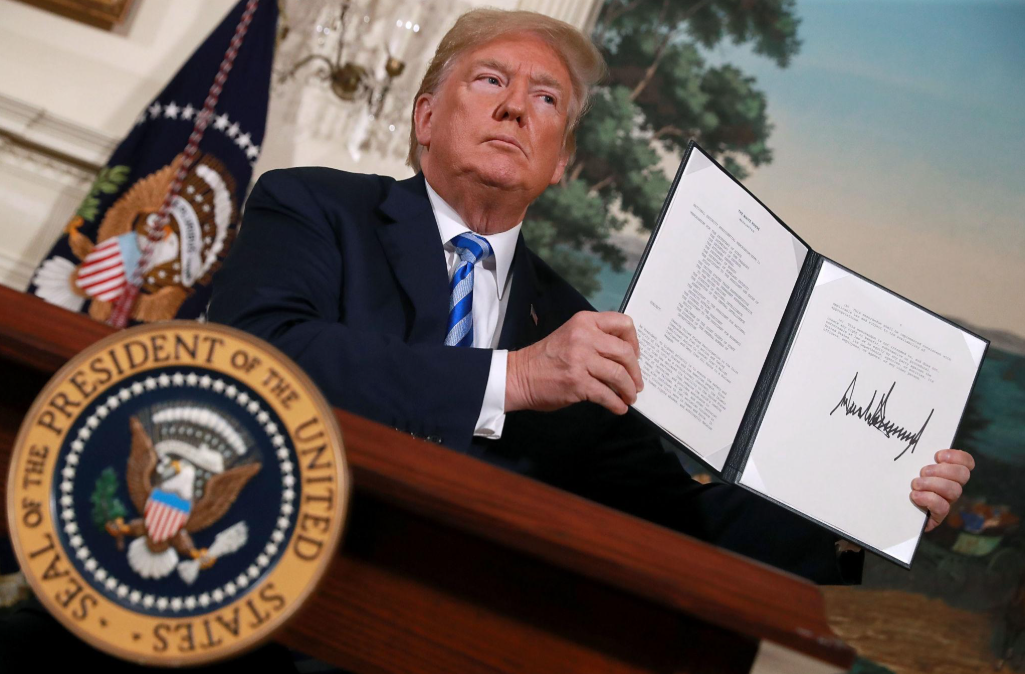
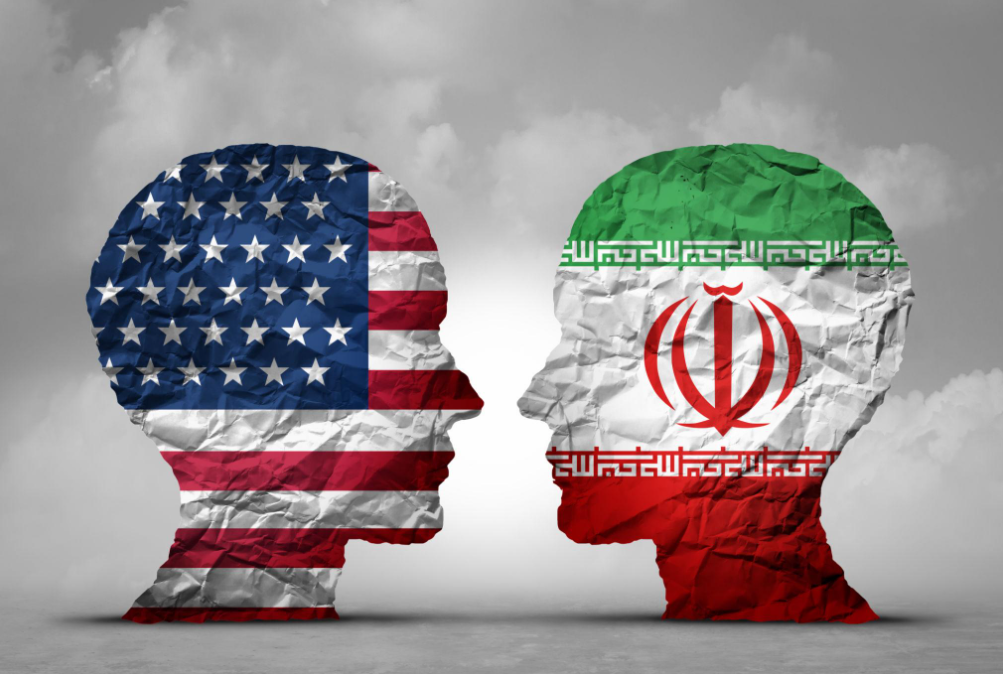
Trump Administration Considers New Pressure Campaign
Sources familiar with the discussions say the proposed sanctions are designed to increase economic pressure on Tehran while negotiations continue over military activity and commercial shipping in the Strait of Hormuz.
The Trump administration has repeatedly argued that stronger economic pressure is necessary to force Iran into accepting broader security and maritime agreements.
Officials have not yet publicly confirmed the full scope of the proposed restrictions, but analysts believe they could affect:
- oil exports
- banking operations
- international shipping access
- companies linked to Iran’s energy infrastructure
The possibility of renewed sanctions is already drawing attention from global markets and foreign governments closely monitoring the situation.
Strait of Hormuz Remains at the Center of the Crisis
The Strait of Hormuz continues to play a central role in the ongoing tensions between Washington and Tehran.
The narrow waterway is considered one of the world’s most important oil shipping routes, with a significant percentage of global energy supplies passing through the region every day.
Recent military incidents, naval patrols, and threats to commercial vessels have already increased fears of economic disruption worldwide.
Energy analysts warn that additional instability in the Gulf could quickly impact:
- global fuel prices
- inflation
- shipping costs
- international trade markets
Several governments have also increased naval monitoring operations in the area as tensions remain high.
Diplomatic Talks Continue Behind Closed Doors
Despite the pressure campaign, diplomatic negotiations between the United States and Iran are reportedly still ongoing through regional mediators.
Recent discussions have focused on maritime security, sanctions relief, and possible temporary agreements aimed at reducing military escalation near the Strait of Hormuz.
However, officials familiar with the negotiations caution that major disagreements remain unresolved.
Trump recently warned that military operations could intensify again if diplomatic efforts collapse, while Iranian officials continue accusing Washington of attempting to pressure Tehran economically and militarily at the same time.
Global Markets Watching Closely
Financial and energy markets are closely monitoring every development connected to the U.S.-Iran situation due to the potential global economic consequences.
Oil traders, shipping companies, and international governments remain concerned that even limited escalation in the Gulf region could trigger rapid increases in:
- fuel prices
- transportation costs
- inflation pressures
- market volatility
Experts say the coming days may prove critical in determining whether the crisis moves toward de-escalation or renewed confrontation.
The possibility of new sanctions now adds another layer of uncertainty to an already fragile geopolitical situation in the Middle East.