
The United States Department of Justice has formally indicted former Cuban President Raúl Castro on charges of murder, conspiracy to kill American nationals, and destruction of aircraft, reviving a case that has remained open for nearly three decades.
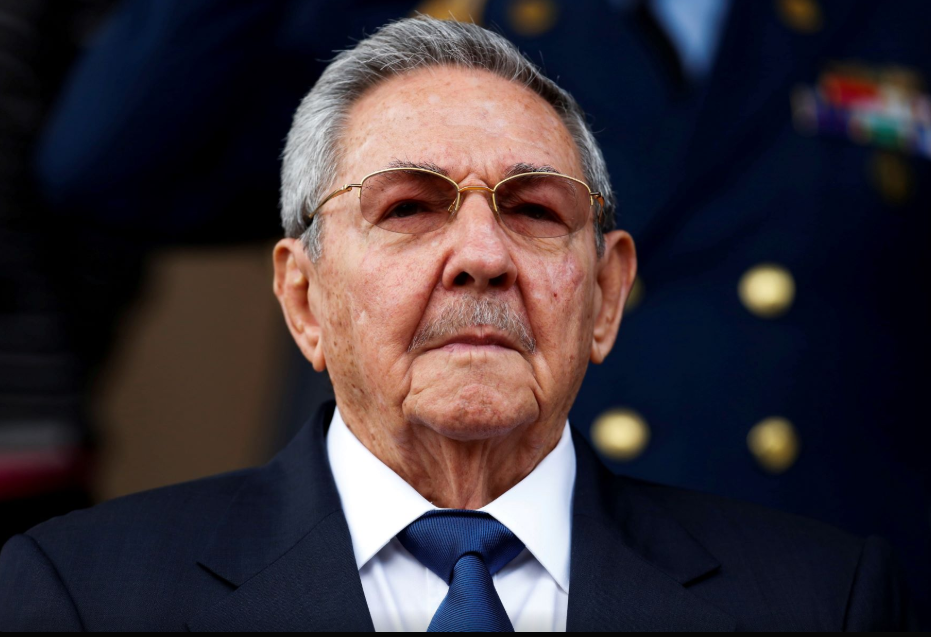
The indictment, unsealed on May 20, 2026, stems from the deliberate shootdown of two unarmed civilian planes operated by the Cuban-American exile group Brothers to the Rescue. On February 24, 1996, Cuban military MiG fighter jets intercepted and destroyed both aircraft over international waters in the Florida Straits. Four men were killed, three American citizens and one U.S. permanent resident.
Acting U.S. Attorney General Todd Blanche announced the charges at a ceremony held at Freedom Tower in Miami, a location historically known as a processing center for thousands of Cuban refugees. The announcement was deliberately timed to coincide with Cuban Independence Day, May 20.
“President Trump is committed to restoring a very simple but important principle,” Blanche stated at the press conference, flanked by Florida lawmakers and law enforcement officials.
At the time of the 1996 attack, Raúl Castro, now 94 years old, served as Cuba’s Defense Minister. Prosecutors allege he personally authorized the use of military force against the civilian aircraft. Alongside Castro, five other individuals have been charged, including Lorenzo Alberto Perez-Perez, one of the pilots who allegedly carried out the shootdown.
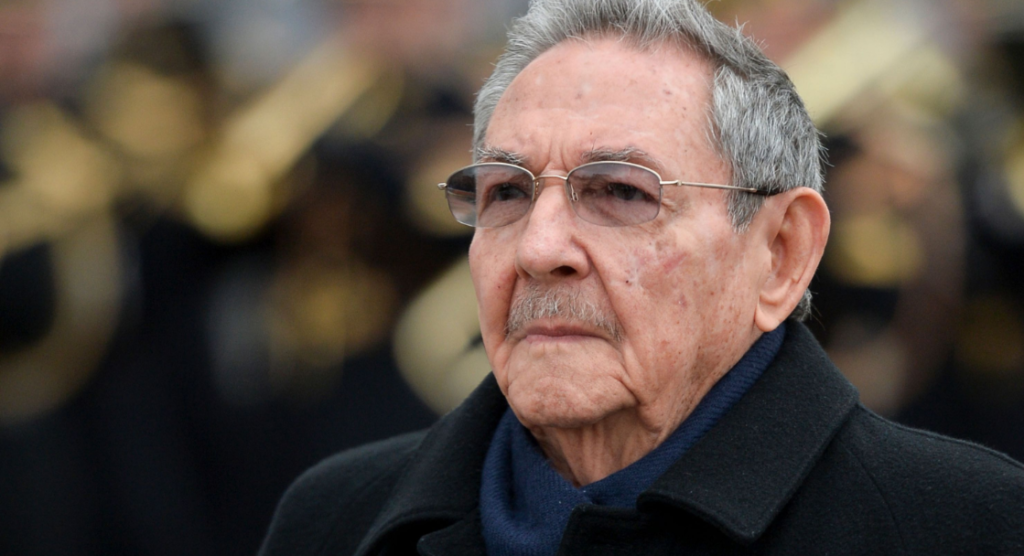
Cuba’s Foreign Affairs Minister Bruno Rodríguez Parrilla swiftly condemned the indictment, calling the charges “illegitimate and illegal.” Havana has long maintained that the planes were operating inside Cuban airspace, a claim contradicted by both the United Nations Security Council and the International Civil Aviation Organization, which confirmed the aircraft were unarmed and outside Cuban territory at the time.
Analysts say the indictment is unlikely to result in Castro’s arrest in the near term, as he remains in Cuba. However, the move is widely seen as part of the Trump administration’s broader campaign to pressure the Cuban government, a strategy that mirrors the 2025 operation in Venezuela that ultimately removed former President Nicolás Maduro from power.
With the Iran war still occupying Washington’s full attention, a military operation against Cuba is considered unlikely for now. But the indictment sends an unmistakable message: the United States has not forgotten, and it is keeping its options open.