
The United States and Iran are closer than ever to ending one of the most dangerous conflicts in recent memory. President Donald Trump stated this week that negotiations with Tehran are entering their “final stages,” raising cautious hopes across global markets and diplomatic circles.
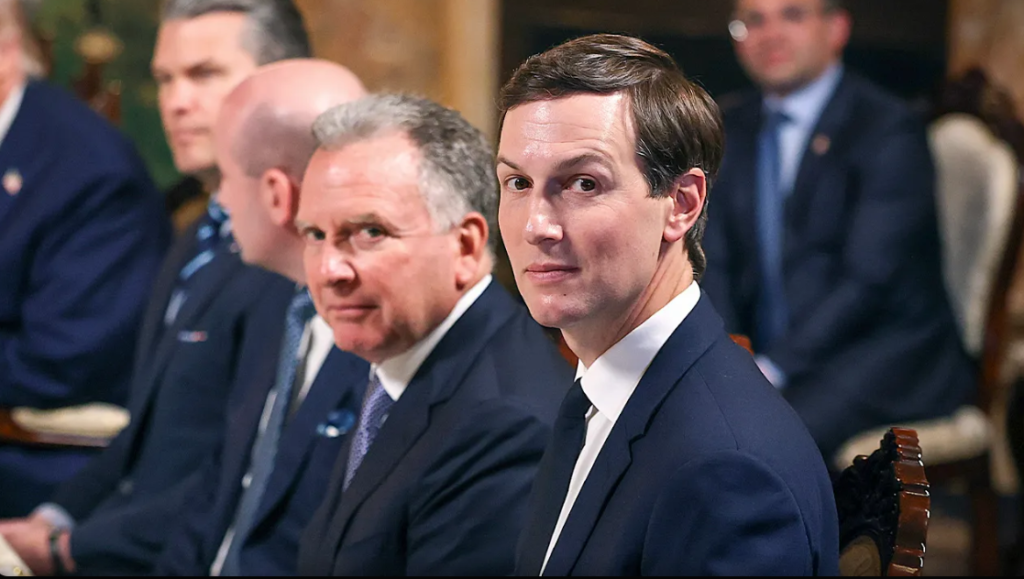
At the center of the talks are Trump’s top envoys, Steve Witkoff and Jared Kushner, who have been crafting a one-page memorandum of understanding consisting of 14 key points. Under the proposed framework, Iran would commit to a moratorium on nuclear enrichment, a major sticking point in the negotiations, while the United States would agree to lift economic sanctions and release billions of dollars in frozen Iranian funds.
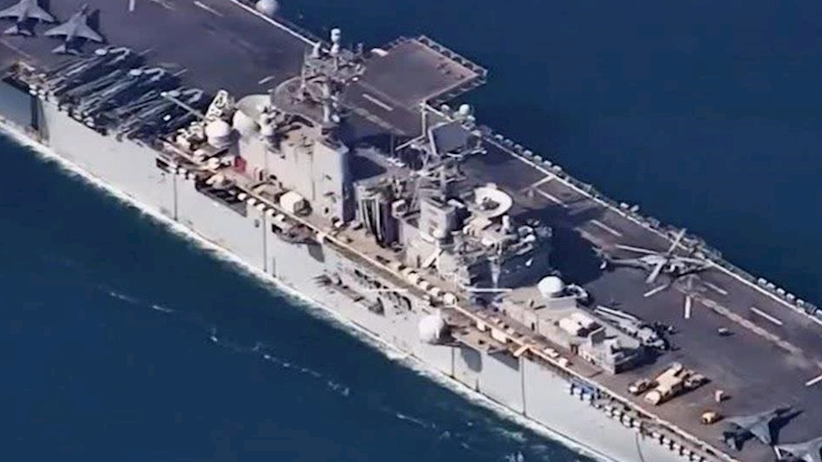
The memorandum would also establish a framework for future talks on Tehran’s nuclear program. As the talks proceed, Iran and the US would gradually ease their operations in the Strait of Hormuz to allow shipping through the waterway and trade through Iranian ports. However, if negotiations collapse or fail to reach a deal, the US could restore the blockade or resume the war.
The stakes could not be higher. Since February 28, 2026, when Israel and the United States launched a series of strikes against Iran, Tehran has kept the Strait of Hormuz closed, a critical global trade route for fuel and gas. The closure has sent energy prices surging and rattled economies worldwide.
Trump has made clear his patience is running out, stating that he agreed with China’s Xi Jinping that Iran cannot be allowed to have a nuclear weapon and must reopen the Strait of Hormuz. The pressure is on from both sides.
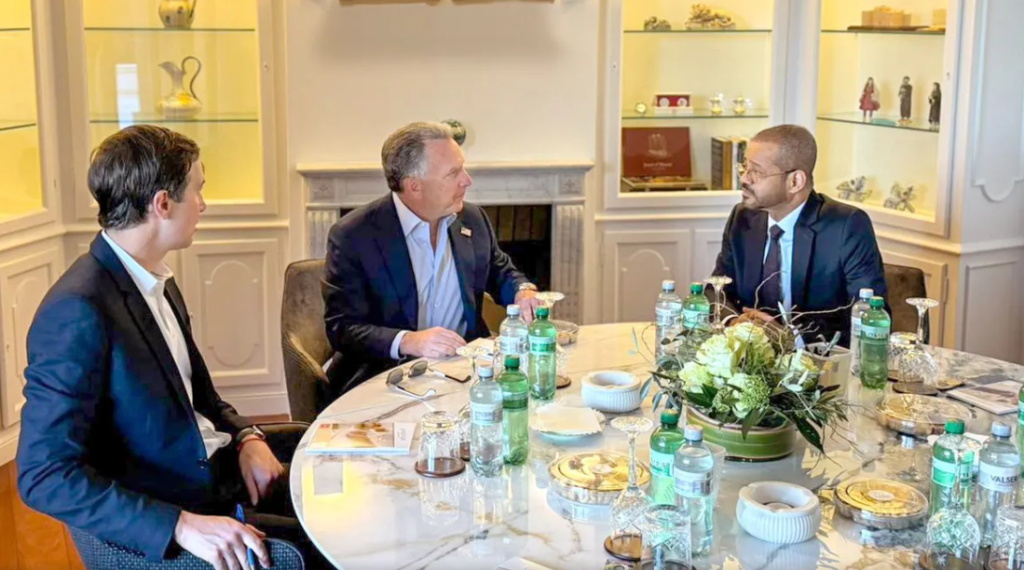
Iran, for its part, has not formally confirmed acceptance of the memorandum’s terms. Vice President JD Vance stated that the US core goal is to secure Iran’s commitment that it will not seek a nuclear weapon or the tools that would enable it to quickly achieve one.
Analysts warn that even a temporary deal would be a fragile one. The two nations remain deeply divided on the question of uranium enrichment, missile programs, and the pace of sanctions relief. But with both sides signaling willingness to talk, the window for a historic agreement, however narrow, appears to be open.
Is the world on the verge of a new era of peace in the Middle East, or will the talks collapse and reignite the conflict?