
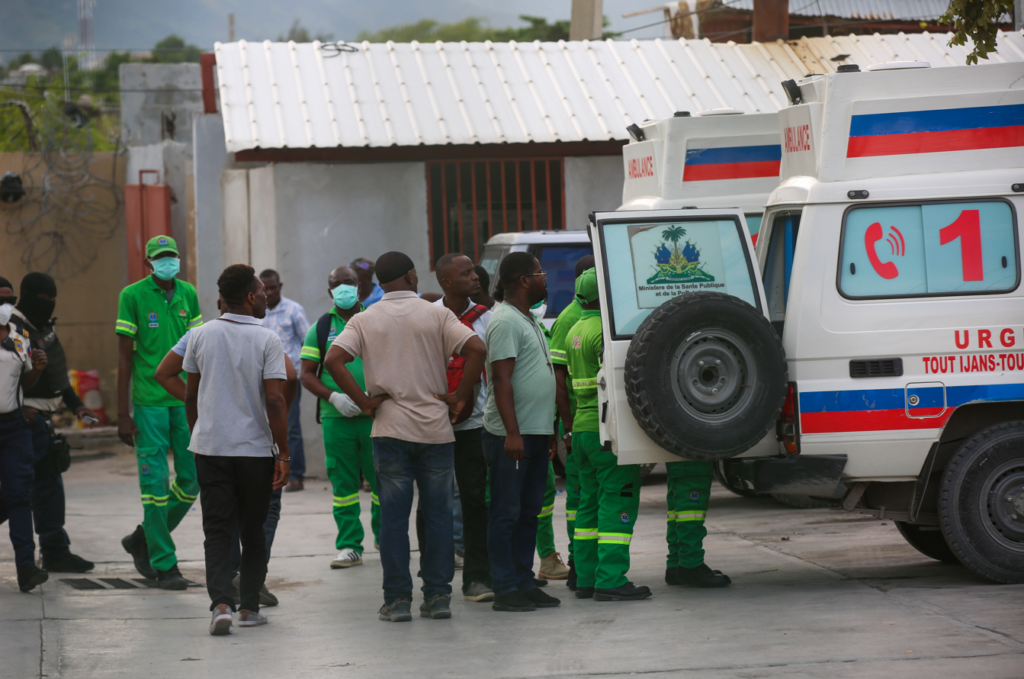
Haiti gang violence escalated dramatically on May 11, 2026, forcing hospitals in the Cite Soleil neighborhood of Port-au-Prince to evacuate patients as rival armed groups clashed in one of the capital’s most densely populated areas.
Doctors Without Borders (MSF) suspended all medical activities in the area after hundreds of desperate residents sought refuge inside its hospital compound. One MSF security guard was shot by a stray bullet inside the facility. A nearby hospital, Hopital Fontaine, evacuated newborns directly from its intensive care unit. A 56-year-old resident, Monique Verdieux, described the horror: “I am now sleeping in the street. I watched gunmen burn buildings in my neighborhood.”
The violence comes as the last members of a Kenyan-led UN security mission departed Haiti as part of a restructuring effort, leaving a dangerous security vacuum. A new force of 5,500 troops is planned for deployment by end of summer, but funding sources and contributing nations remain unclear. Haiti’s government has also hired a U.S. private military company to fill the gap.
Prime Minister Alix Didier Fils-Aime dealt another blow to the country’s fragile political future on Monday, declaring that the security situation makes elections in August 2026 impossible – despite an electoral calendar approved just months ago. Haiti has not held national elections since 2016 and has had no elected officials at all since January 2023.
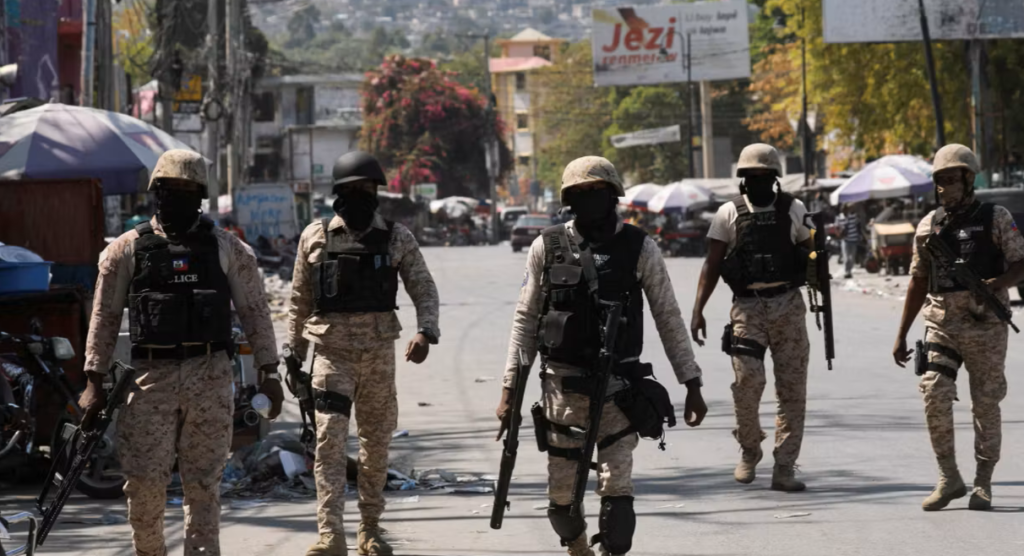
The humanitarian picture is staggering. Over 1.45 million Haitians are internally displaced – roughly 12% of the entire population. Some 5.7 million people face acute food insecurity, with 600,000 experiencing outright famine. Armed gangs now control an estimated 85% of Port-au-Prince, using murder, kidnapping, and sexual violence as tools of territorial control.