
The ongoing conflict in the Middle East is beginning to significantly impact global energy markets as analysts warn of long-term disruptions to liquefied natural gas supplies.
Energy experts say the instability involving Iran and Gulf shipping routes is creating growing pressure across international markets ahead of the summer and winter demand seasons.
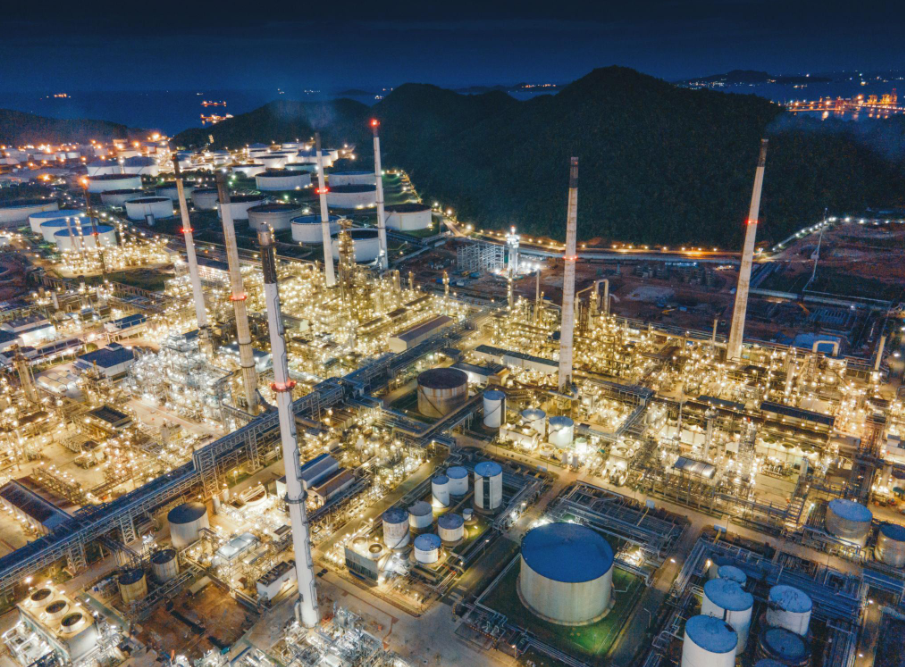
Middle East Conflict Disrupting LNG Supply
According to energy analysts, recent attacks and regional instability have affected critical export infrastructure linked to global LNG shipments.
Market observers warn that disruptions involving Gulf shipping routes and energy facilities could tighten supply conditions for Europe and Asia in the coming months.
The Strait of Hormuz remains one of the world’s most strategically important energy corridors.
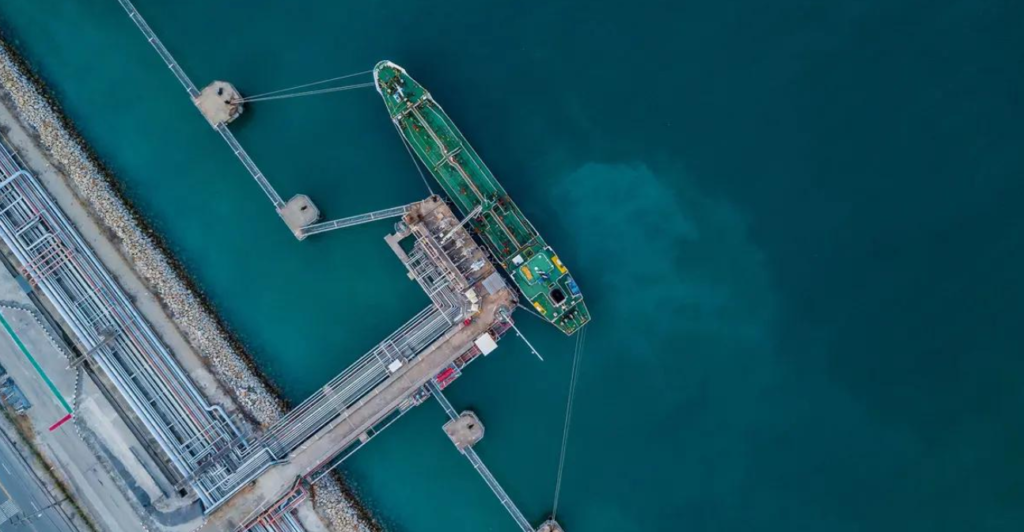
Global Markets Watching Closely
Energy traders and governments are closely monitoring the situation as fears of wider regional escalation continue affecting oil and gas prices.
Experts say even temporary disruptions in the Gulf region can quickly impact international fuel prices and global supply chains.
The situation is also increasing concerns over future energy security as geopolitical tensions continue rising.
Analysts believe the coming weeks could prove critical for global energy markets depending on whether diplomatic negotiations succeed or fail.