
BREAKING: Iran is expected to deliver its official response today to the latest U.S. peace proposal through Pakistani mediators, marking a potentially major turning point in the ongoing Middle East conflict.
Former President Donald Trump confirmed that negotiations had made progress in the last 24 hours, describing the talks as “very good,” but warned that Iran still has not paid a “big enough price” for recent attacks and regional escalation.
Iran’s response to the U.S. peace proposal could determine whether tensions in the Strait of Hormuz begin to ease or move toward a wider military confrontation involving multiple countries in the region.
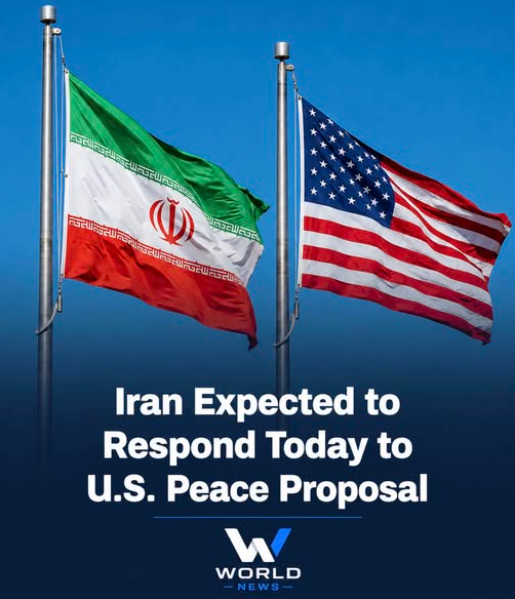
What Iran’s Response to the U.S. Peace Proposal Means
According to diplomatic sources, Tehran’s 14-point counter-proposal includes demands for the withdrawal of U.S. forces from strategic areas, the lifting of economic and naval restrictions, war reparations, and a complete ceasefire that would also involve Lebanon.
Iran reportedly suggested delaying broader nuclear negotiations in order to secure a faster temporary agreement focused on military de-escalation and maritime security.
The United States has not officially accepted the proposal, but officials close to the negotiations say Washington is reviewing several conditions behind closed doors.
Why the Strait of Hormuz Matters
The Strait of Hormuz remains one of the world’s most important shipping routes, with nearly 20% of global oil supplies passing through the region every day.
More than 1,600 commercial ships are currently affected by the ongoing instability, causing concerns across global financial and energy markets.
Oil prices have already shown signs of volatility as investors wait for Iran’s final decision. Analysts warn that any military escalation could impact fuel prices worldwide and trigger broader economic uncertainty.
Global Reactions Growing
Several international leaders have called for restraint as the world closely watches Iran’s next move. European diplomats urged both sides to continue negotiations, while regional allies increased military readiness in nearby waters.
Security experts believe that a successful agreement could temporarily stabilize the Middle East and reduce the risk of direct conflict between Iran and the United States.
However, if negotiations fail, Washington has warned that military operations could resume at a much higher intensity in the coming days.