
Beijing — This week
A high-level summit between former U.S. President Donald Trump and Chinese President Xi Jinping is set to take place in Beijing this week, marking one of the most closely watched diplomatic events of the period amid rising global geopolitical tensions.
The meeting is expected to bring together two of the most influential political figures in the world at a time when international relations remain highly strained, particularly between the United States and China. The talks are anticipated to focus on several critical issues shaping global stability and security.
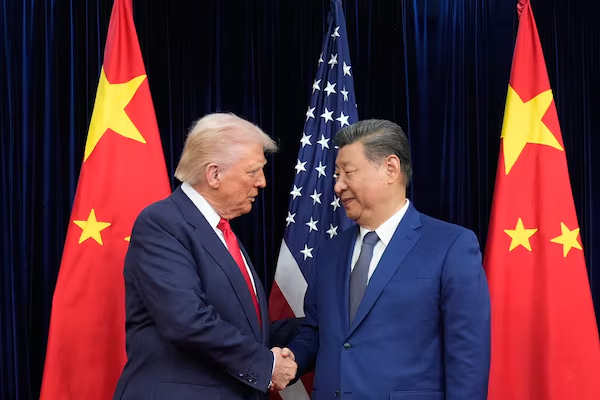
Among the key topics expected on the agenda are the situation in Taiwan, security developments in the Strait of Hormuz, the ongoing war in Ukraine, and broader economic and trade relations between Washington and Beijing. Each of these issues has contributed to increasing strategic competition between the two powers in recent years.
Relations between the United States and China have remained complex, characterized by both economic interdependence and political rivalry. Trade disputes, technological competition, and differing positions on regional security have continued to define the bilateral relationship.
The summit comes at a time when global markets, allied governments, and international institutions are closely monitoring any potential shifts in dialogue between the two sides. Analysts suggest that even limited progress or renewed communication could have significant implications for global economic stability and security frameworks.
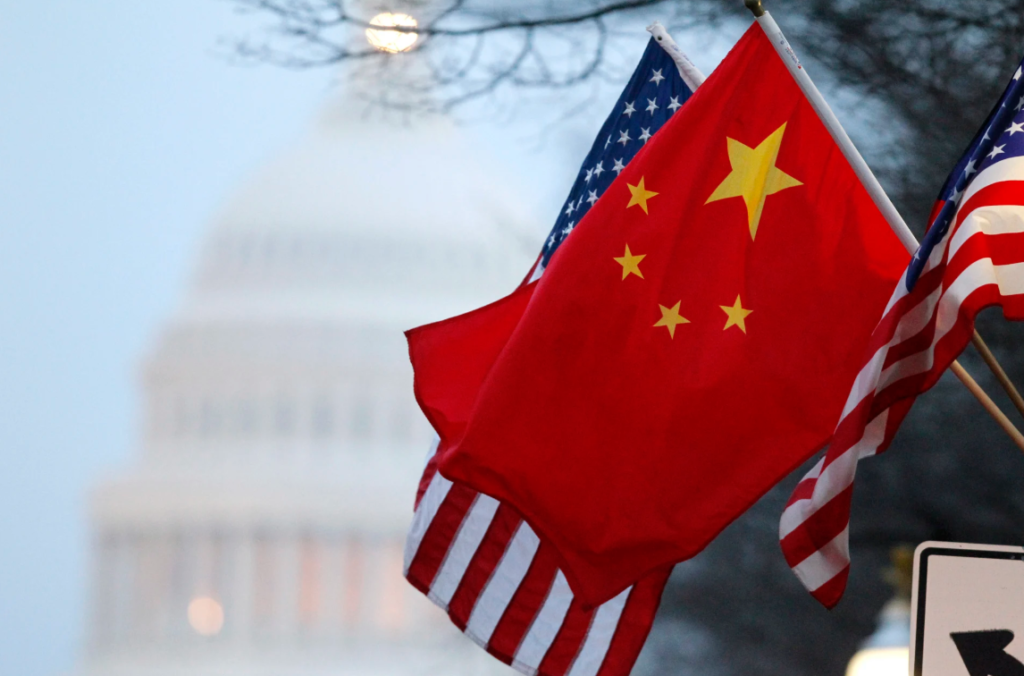
At the same time, tensions in multiple regions, including Eastern Europe and the Indo-Pacific, have further intensified the importance of diplomatic engagement between major global actors.
If confirmed as scheduled, the meeting in Beijing could represent an important moment in U.S.–China relations, potentially influencing future diplomatic strategies and global policy direction.
Further details regarding the discussions and possible outcomes are expected after the conclusion of the summit.