
The Trump administration’s most aggressive immigration measure targeting the tech industry has been struck down in federal court. On Monday, U.S. District Judge Leo Sorokin in Boston ruled that the $100,000 supplementary fee imposed on new H-1B visa applications is an unconstitutional tax that the executive branch had no authority to create without congressional approval.
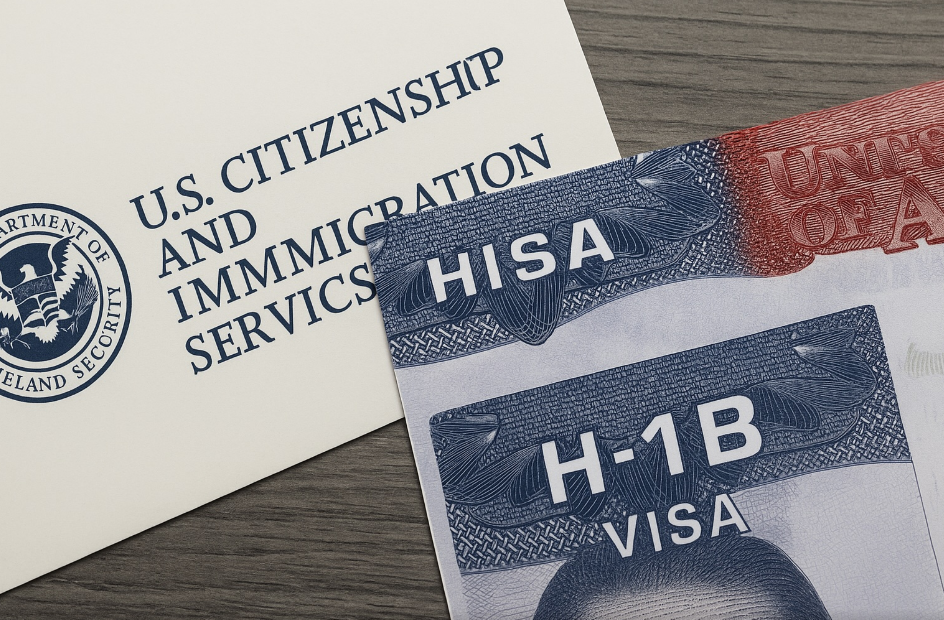
According to NPR, Judge Sorokin sided with 20 states that sued the administration, concluding that the fee violated the Administrative Procedure Act and exceeded the president’s powers. “The President has no authority to levy a tax unless such a power is delegated by Congress through statute,” Sorokin wrote in his 42-page ruling. The decision contradicts an earlier ruling by a federal court in Washington, D.C., which had upheld the fee, setting up a potential split between appellate circuits that may ultimately require the Supreme Court to resolve.
PBS NewsHour reported that the states argued the policy directly impeded their ability to hire teachers, university researchers, and healthcare workers. The fee, announced by Trump in September 2025, raised the cost of obtaining an H-1B visa from a typical range of $2,000 to $5,000 all the way to $100,000, effectively placing the program out of reach for hospitals, public universities, and smaller businesses that rely on foreign-born specialists.
CBS News confirmed that the U.S. Chamber of Commerce had filed a separate challenge in Washington, D.C., which remains ongoing. A third lawsuit was also filed in San Francisco by religious groups and labor organizations, creating the unusual situation of three separate federal court cases producing potentially conflicting rulings in different appellate circuits.
Massachusetts Attorney General Andrea Joy Campbell welcomed the decision. “Today’s victory protects the integrity of the H-1B visa program as a tool to address severe labor shortages in vital industries like education, healthcare, and medical research,” she said, according to NPR.
The H-1B program, created by Congress in 1990, allows 65,000 highly skilled foreign-born workers with bachelor’s degrees to work in the United States each year, with an additional 20,000 slots reserved for those holding advanced degrees from American universities. The tech sector in particular depends heavily on the program, and the $100,000 fee had been widely criticized by Silicon Valley companies since its announcement last year.
Why it matters: This ruling does not end the legal battle. With the Chamber of Commerce case still pending in D.C. and a third case in San Francisco, the administration has multiple avenues to appeal and potentially restore the fee. But for now, employers across healthcare, education, and technology sectors can resume standard H-1B filings without the $100,000 surcharge. How quickly the administration responds, and whether it seeks an emergency stay while it appeals, will determine how long this window remains open.
Should the US make it harder or easier for highly skilled foreign workers to enter the country?