
Iran has continued its aggressive use of the death penalty in 2026, with more than 200 executions reported so far this year, according to human rights monitors. This follows a record-breaking 2025 in which the country accounted for the overwhelming majority of global executions.
Amnesty International’s latest report on the global use of the death penalty revealed that 2,707 people were executed worldwide in 2025, the highest number recorded by the organization in 44 years. Iran alone carried out at least 2,159 of those executions, more than double the figure from 2024.
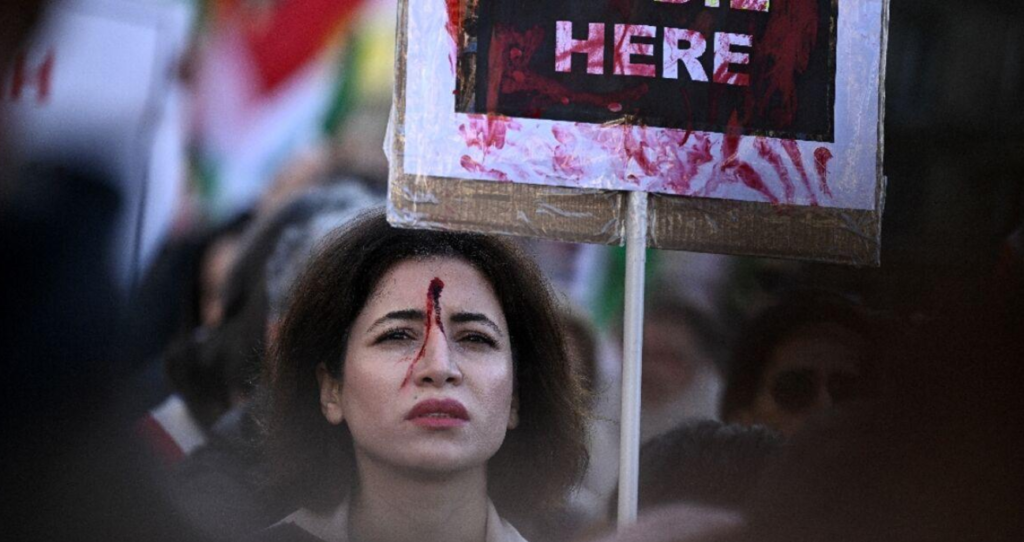
Many of those executed in both 2025 and 2026 were reportedly arrested during anti-government protests, political dissidents, or individuals charged with vague national security offenses. Human rights groups have repeatedly condemned the use of secret trials, forced confessions obtained under torture, and executions carried out without fair judicial process.
Ongoing Crackdown
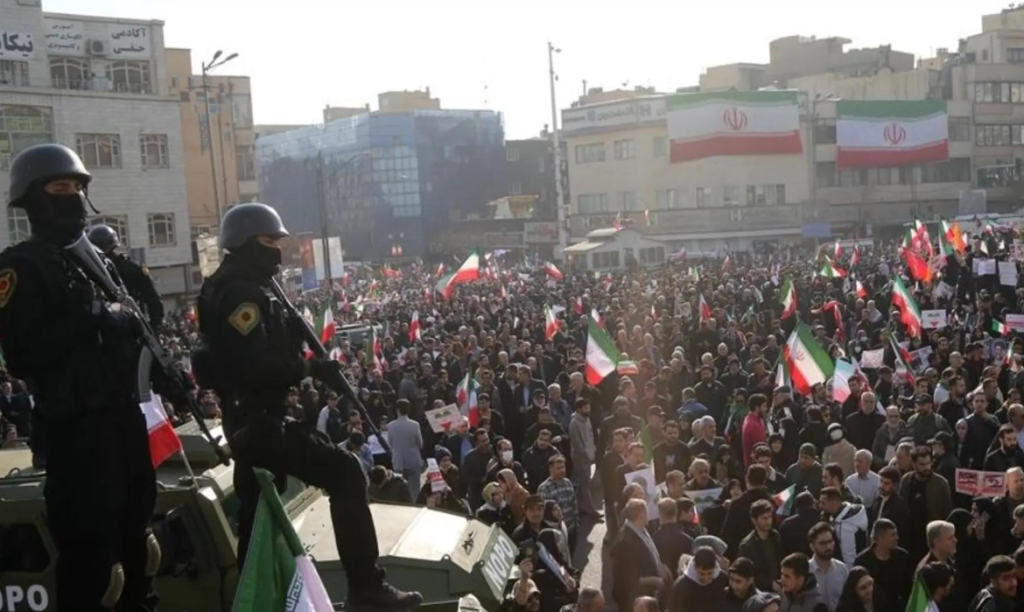
Activists and independent monitors report that Iranian authorities continue to use the death penalty as a tool of repression to deter dissent. Executions often take place in secret, with families sometimes informed only after the fact. In several documented cases, individuals arrested during the widespread protests of late 2025 and early 2026 have been sentenced to death on charges such as “enmity against God” (moharebeh) or “corruption on earth.”
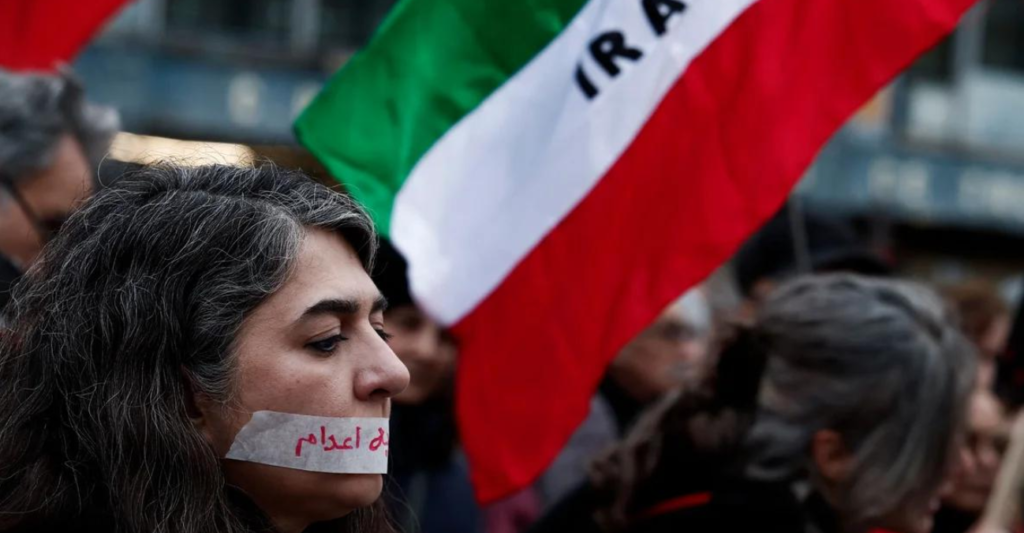
Amnesty International and other organizations have documented a pattern of targeting ethnic minorities, women, and young protesters. The group has called on the international community to press Iran to immediately halt all executions and conduct transparent investigations.
Global Context
While China is believed to carry out the highest absolute number of executions annually, it does not publish official figures, so Amnesty’s statistics exclude it. After Iran, Saudi Arabia recorded the second-highest number in 2025 with at least 356 executions.
The surge in Iran has drawn strong condemnation from governments, the United Nations, and human rights advocates worldwide. Several Western nations have called for targeted sanctions against Iranian officials responsible for the judicial system.
Iran’s Response
Iranian officials have defended the use of the death penalty, stating it is applied in accordance with Islamic law and is necessary to maintain public order, particularly against drug trafficking and what they describe as terrorist activities.
However, independent observers argue that many cases are politically motivated and lack due process.