
US charges Raul Castro with 4 counts of murder have sent shockwaves through Washington and Havana, in the most dramatic escalation of tensions between the two countries in decades.
Federal prosecutors in Miami unsealed an indictment on May 20, 2026, charging Raul Castro, 94, former president of Cuba and brother of the late Fidel Castro, with one count of conspiracy to kill US nationals, four counts of murder and two counts of aircraft destruction, in connection with the Cuban military’s fatal downing of two civilian planes over international waters in the Florida Strait on February 24, 1996.
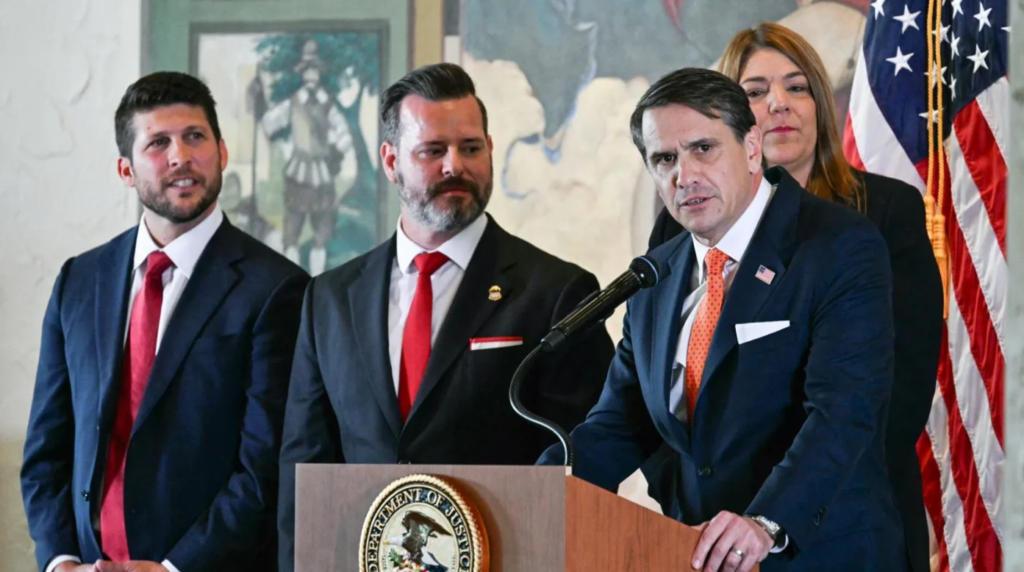
The indictment was announced by Acting Attorney General Todd Blanche at a press conference held at Miami’s Freedom Tower, a symbol of the Cuban American exile community, and on May 20, the date recognized as Cuban Independence Day. Five Cuban fighter pilots involved in the attack were also named as co-defendants.
The 1996 attack targeted planes operated by Brothers to the Rescue, a Miami-based Cuban exile group that flew missions over the Florida Strait searching for Cuban migrants at sea. Cuban MiG fighter jets shot down two of their unarmed civilian aircraft in international airspace, killing four men: Armando Alejandre Jr., Carlos Costa, Mario de la Pena and Pablo Morales. The United Nations Security Council condemned the attack, and the International Civil Aviation Organization later confirmed the planes were unarmed and outside Cuban airspace.
Cuba’s current president Miguel Diaz-Canel dismissed the charges as political theatre: “This is a political manoeuvre, devoid of any legal basis, aimed solely at padding the dossier they are fabricating to justify a military aggression against Cuba.”
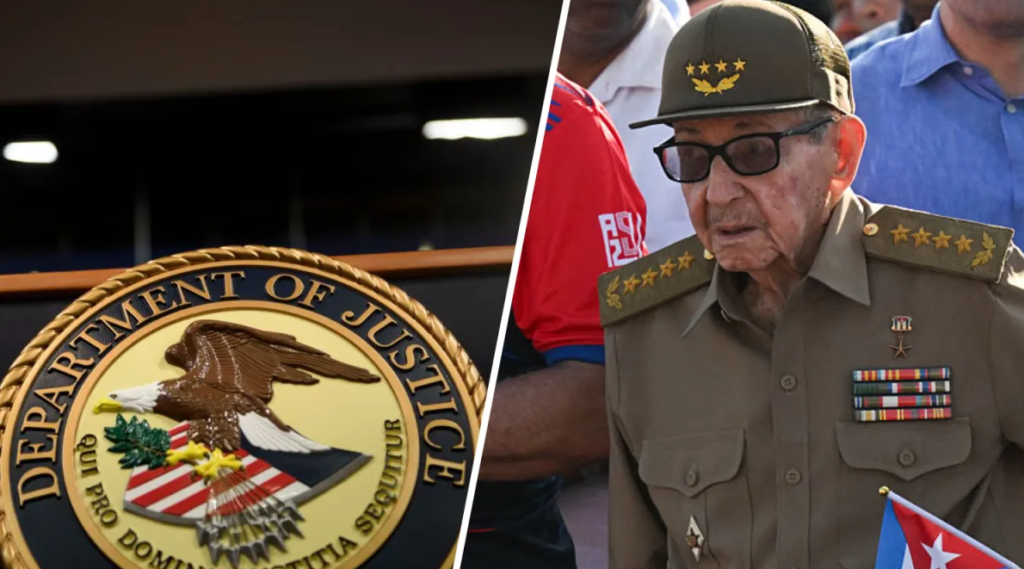
One day after the indictment, President Donald Trump raised the specter of US military intervention in Cuba, declaring: “Previous presidents have considered doing something about Cuba for decades. It looks like I’ll be the one that does it.” Secretary of State Marco Rubio, the son of Cuban migrants, added that while diplomacy was preferred, “the president always has the option to do whatever it takes to protect the national interest.”
The indictment is widely seen as the next step in a broader US pressure campaign against Havana. Cuba’s economy is already on the verge of collapse following the capture of Venezuelan President Nicolas Maduro in January 2026, which cut off the Venezuelan oil that Cuba had depended on for decades.
There is no mechanism to extradite Castro, who has not left Cuba and whose government will not hand him over. The charges are likely to remain symbolic, but their political impact is anything but.