
Last week, Secretary of State Marco Rubio predicted good news “within hours.” Days later, Trump promised a “final determination” following a Situation Room meeting on Friday. Friday ended without an announcement. Saturday passed. Sunday is here, and the Strait of Hormuz remains what it has been since late February: one of the most contested waterways on the planet.
Trump has yet to make a decision on a deal that could extend the current ceasefire with Iran, with no announcement on Friday following the Situation Room meeting. Oil prices have dipped this week amid persistent reports that Trump and Iran could be close to sealing an agreement that has eluded the two sides for over a month.
The outlines of a tentative deal have been visible for days. The emerging memorandum of understanding would require Iran to remove all mines it deployed in the strait within 30 days, reopen the waterway to commercial shipping without tolls, and enter formal negotiations on its nuclear enrichment program. In exchange, the U.S. would lift its naval blockade on Iranian ports and provide phased sanctions relief.
What has prevented the deal from being signed is a gap that both sides refuse to publicly acknowledge while privately insisting it is still closable. Vice President JD Vance confirmed the two countries are “going back and forth” on the agreement, and that some disagreements persist. Iran’s government has told its own media that the deal does not require the destruction of its nuclear materials, a point Trump has publicly stated as non-negotiable.
The violence has not stopped during the negotiations. The latest military flare-up occurred less than a day before Thursday’s tentative agreement, when Kuwait intercepted missiles fired from Iran, according to U.S. Central Command. Both sides continue to describe the ceasefire as intact. Both sides continue to fire.
China’s Foreign Minister Wang Yi, speaking at the UN Security Council this week, said Beijing has maintained continuous communication with the U.S., Iran, and Pakistan, which has led the mediation effort. “Every step forward in the negotiations brings a glimmer of hope for peace,” Wang said.
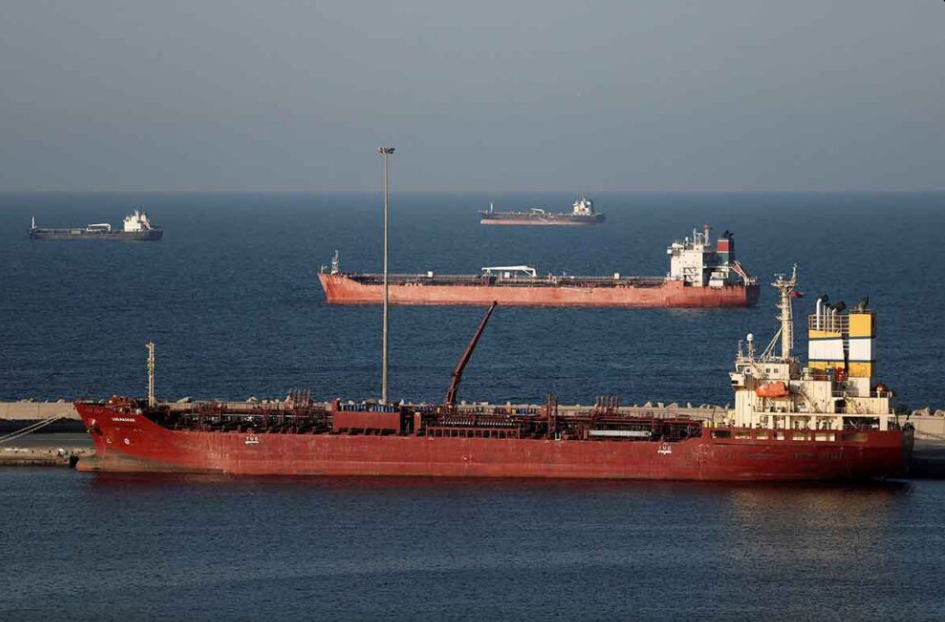
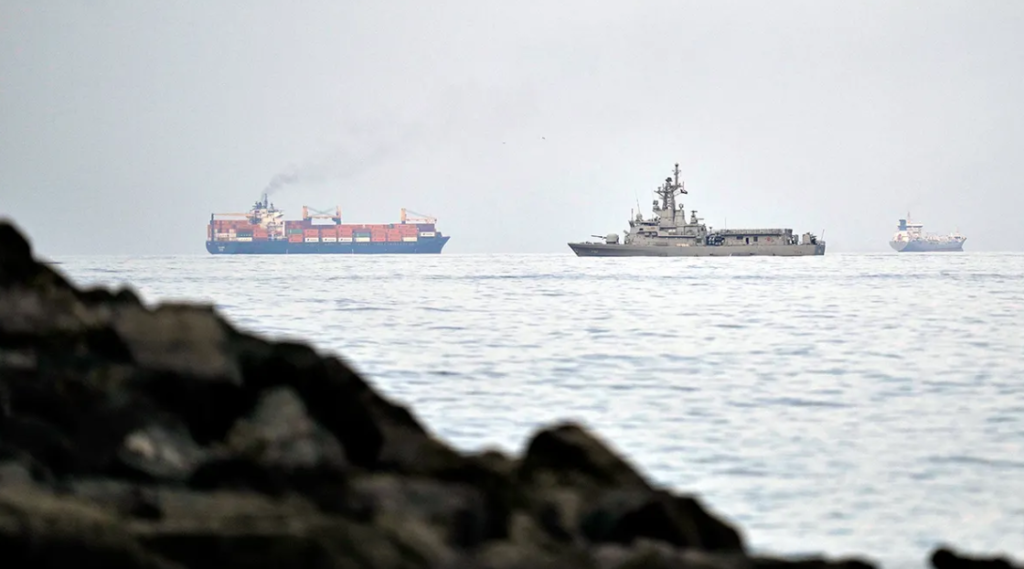
The cost of the delay is not abstract. Approximately 240 commercial vessels sit at anchor near the entrance to the Strait, waiting for clearance that has not come. Energy prices across the United States, Europe, and Asia remain elevated. And a war that began on February 28 with a strike that was supposed to be decisive is still producing casualties on both sides three months later.
Is this deal actually coming this week, or has the world simply adjusted to an Iran ceasefire that never quite holds?