
Israel captures Beaufort Castle, the 900 year old Crusader era fortress overlooking southern Lebanon, in the deepest ground incursion into the country in more than 26 years, as Prime Minister Benjamin Netanyahu ordered Israeli forces to push beyond the Litani River despite the US-brokered ceasefire that has been in place since April 16.
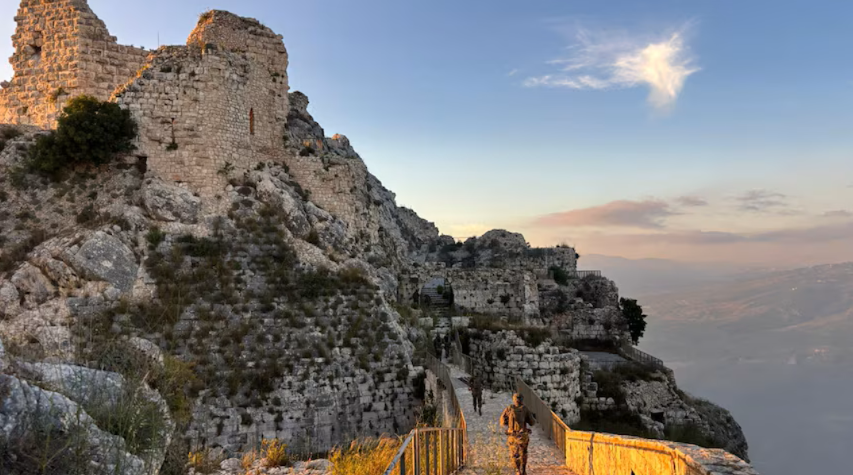
Israeli and Golani Brigade flags were raised above the medieval fortress, known locally as Qalaat al-Shaqif, in the early hours of Sunday, May 31, 2026, following days of intense air strikes and ground clashes in nearby villages. The castle sits on a commanding ridge near Nabatiyeh, giving it a sweeping strategic view of both southern Lebanon and northern Israel. Defense Minister Israel Katz called its capture “a significant tactical victory” and “a dramatic stage and a dramatic change in the policy we are leading.”
Israel had previously occupied Beaufort Castle from 1982 to 2000, using it as a military base during its first Lebanon occupation. The IDF last withdrew from the site 26 years ago. Its recapture signals a dramatic escalation of Israel’s current Lebanon campaign, with analysts warning that Netanyahu may be planning an extended military presence deep inside Lebanese territory.
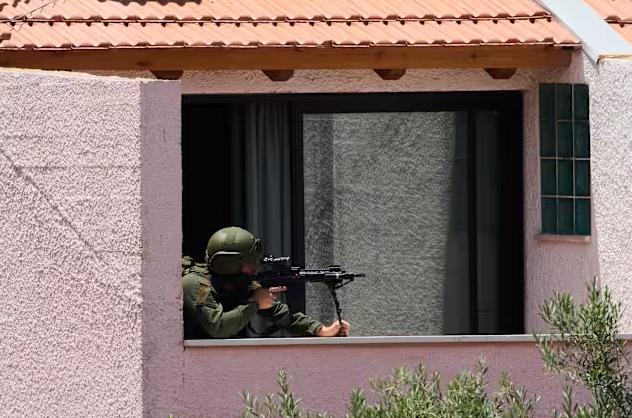
The operation came at a cost. One Israeli soldier was killed and four were lightly wounded during the push to capture the fortress. Israeli forces also issued mass displacement orders, instructing all residents living south of the Zahrani River to move immediately north, warning that anyone remaining risked being killed. The order covers a vast swath of southern Lebanon, well beyond the area of previous Israeli operations.
France issued a strong condemnation of the castle’s capture and the deepening ground offensive, calling for an immediate halt to Israeli operations and respect for Lebanese sovereignty. The United Nations also expressed alarm, with UNIFIL noting that Israeli operations are now extending well beyond the parameters of the original ceasefire agreement.
UNESCO has described Beaufort Castle as “one of the best preserved examples of medieval castles in the Near East.” Parts of the fortress suffered significant damage during Israel’s previous occupation between 1982 and 2000.