
June 1 marks the official start of the 2026 Atlantic hurricane season, and for the first time in several years, forecasters are delivering what sounds like good news. NOAA’s outlook for the 2026 Atlantic hurricane season predicts a 55% chance of a below-normal season, a 35% chance of a near-normal season, and only a 10% chance of an above-normal season. The agency is forecasting a total of 8 to 14 named storms. Of those, 3 to 6 are forecast to become hurricanes, including 1 to 3 major hurricanes of Category 3 or stronger. WFLA
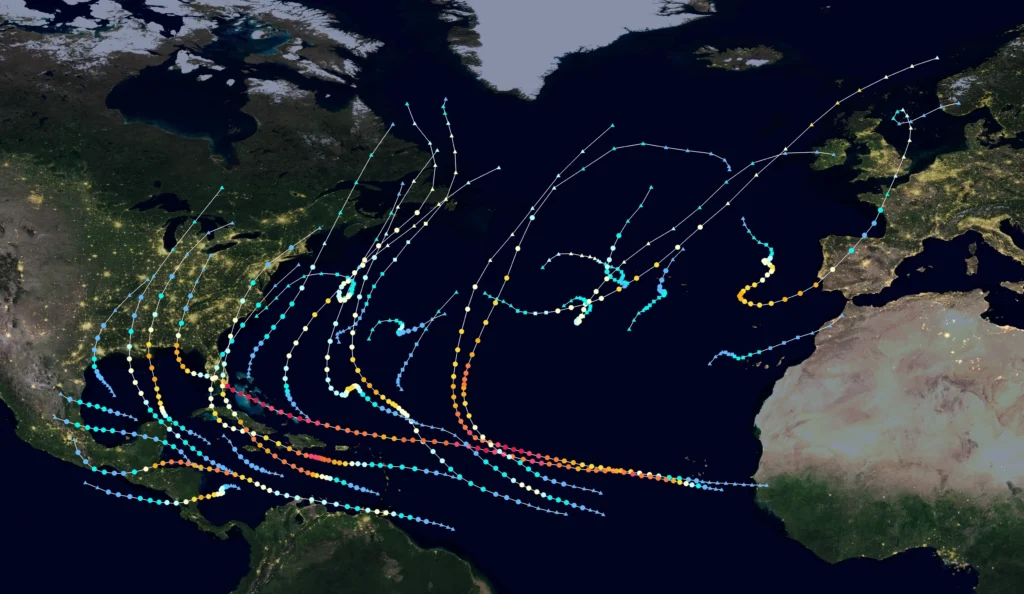
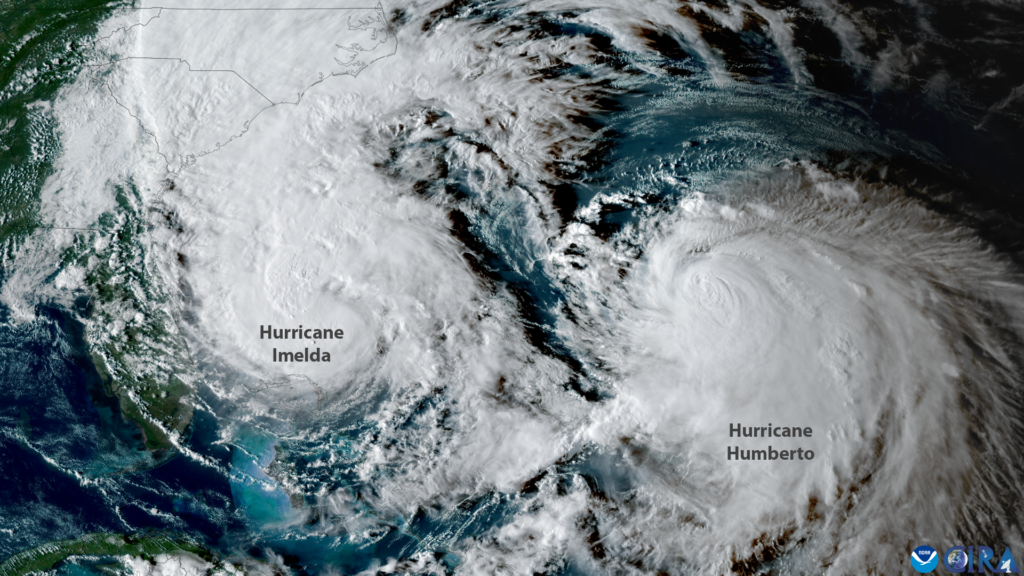
The reason behind the quieter forecast comes down to one major climate factor. El Niño is expected to develop and intensify during the hurricane season, while ocean temperatures in the Atlantic are expected to be slightly warmer than normal and trade winds are likely weaker than average. El Niño conditions typically suppress Atlantic hurricane activity by increasing wind shear, changes in wind speed and direction at altitude that tear developing storms apart before they can organize into hurricanes.
The 2023 season showed how El Niño forecasts can produce surprises: that year was busier than normal with 20 named storms, despite El Niño conditions being present. What made 2023 exceptional was that Atlantic sea surface temperatures were also at record highs, counteracting the suppressive effect of El Niño. That same combination is not expected in 2026, ocean temperatures are warm, but not at the record-breaking levels seen three years ago. wwltv
AccuWeather is predicting 11 to 16 named storms, with 4 to 7 becoming hurricanes and 2 to 4 reaching major hurricane status. Forecasters also expect 3 to 5 direct impacts on the United States throughout the season. AccuWeather Lead Hurricane Expert Alex DaSilva warned: “It’s very important that everybody from South Texas all the way to Maine prepares equally for each and every hurricane season, regardless of what the official forecast is. Even if it’s expected to be a slightly below average hurricane season, we can still see major hits across the United States.”
The World Cup dimension adds an unusual layer of urgency to this season’s preparations. The 2026 FIFA World Cup is being played across American cities, Houston, Miami, Los Angeles, and others, through mid-July. Several of those host cities sit squarely in zones that historical hurricane tracks have repeatedly targeted. Tournament organizers and local emergency management officials are watching the tropics closely.
NOAA National Weather Service Director Ken Graham put the seasonal forecast in its proper context: “It only takes one storm to make for a very bad season.” A below-normal season does not mean no catastrophic storms. It means the statistical likelihood is lower. The difference matters enormously to emergency managers and insurance companies. It means considerably less to the family whose neighborhood takes a direct hit in October.
The 2026 Atlantic hurricane season runs from June 1 to November 30. This year’s storm names begin with Arthur, Bertha, Cristobal, Dolly, Edouard, and Fay.
Does a below-normal forecast give Americans a false sense of security, or is it genuinely good news this year?