
Today, May 31, over 41 million Colombians go to the polls to choose a new president. The candidate they select, or more likely, the two who advance to a June 21 runoff, will determine the direction of the United States’ most important security partner in South America for the next four years.
On May 31, Colombia, a top U.S. security partner in Latin America, is scheduled to convene an election to replace President Gustavo Petro, who is constitutionally barred from seeking reelection. U.S. officials and some Members of Congress have expressed concerns about the Petro government’s counterdrug and security policies. The 119th Congress has reduced foreign assistance to Colombia and placed additional conditions on that assistance.
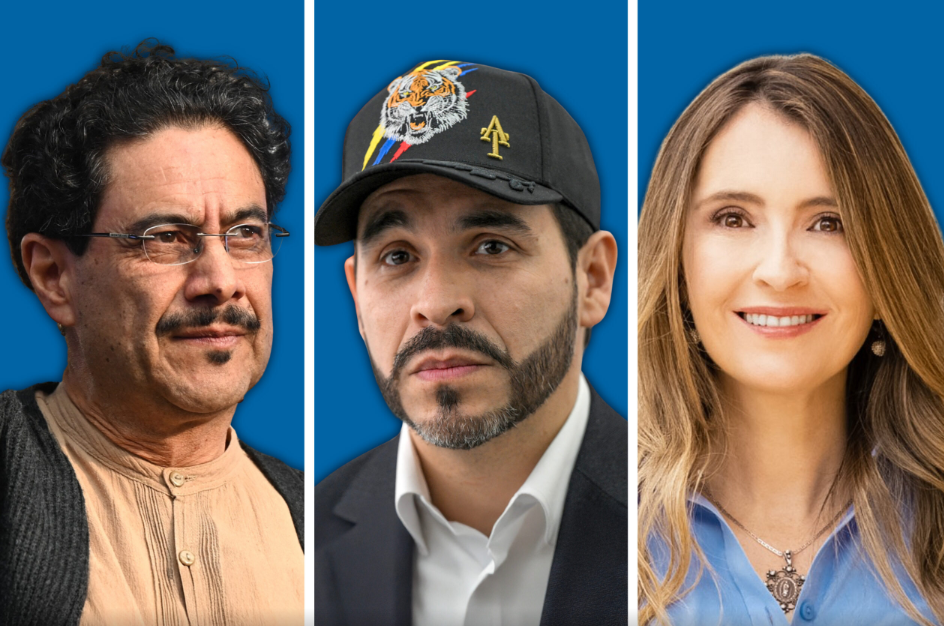
Three candidates dominate the race. Senator Iván Cepeda leads polls from the left, running on a platform of continuity with the Petro agenda. Trailing him are two right-wing candidates who differ significantly in style: Abelardo de la Espriella, a far-right lawyer who models himself after leaders like Argentina’s Javier Milei and El Salvador’s Nayib Bukele, and center-right Senator Paloma Valencia, a protégée of former President Álvaro Uribe who governed from 2002 to 2010.
For Washington, the stakes are immediate. Petro’s government shifted away from coca eradication during his four years in office, and the result has been record cocaine production in Colombia, a direct problem for American cities. Both De la Espriella and Valencia have pledged to restart aerial fumigation of coca crops and rebuild the security partnership with the United States that frayed under Petro.
Some Members of Congress have also expressed concerns about political violence in Colombia since the June 2025 assassination of a presidential hopeful and threats against other candidates. Armed groups in remote regions have openly sought to influence the outcome of elections in recent cycles, and turnout in some rural areas may be suppressed by the threat of violence.
No candidate is close to the 50 percent threshold needed to win outright. A runoff on June 21 between the top two finishers is considered virtually certain. The real question for today is which two candidates advance, and whether the split on the right between De la Espriella and Valencia gives Cepeda a clear path to the presidency.
The election also signals something larger about the direction of Latin American politics. After years of left-wing governments taking power across the continent, in Mexico, Brazil, and Chile, a right-wing victory in Bogotá would represent a meaningful shift in the regional political tide.
Will Colombia stay on the left, or is today the beginning of a sharp political turn to the right?