
After three months of war, two collapsed deadlines, one Situation Room meeting that ended in silence, and a ceasefire that both sides kept violating while insisting it was intact, the United States and Iran have signed a memorandum of understanding. The fighting, for now, has officially paused.
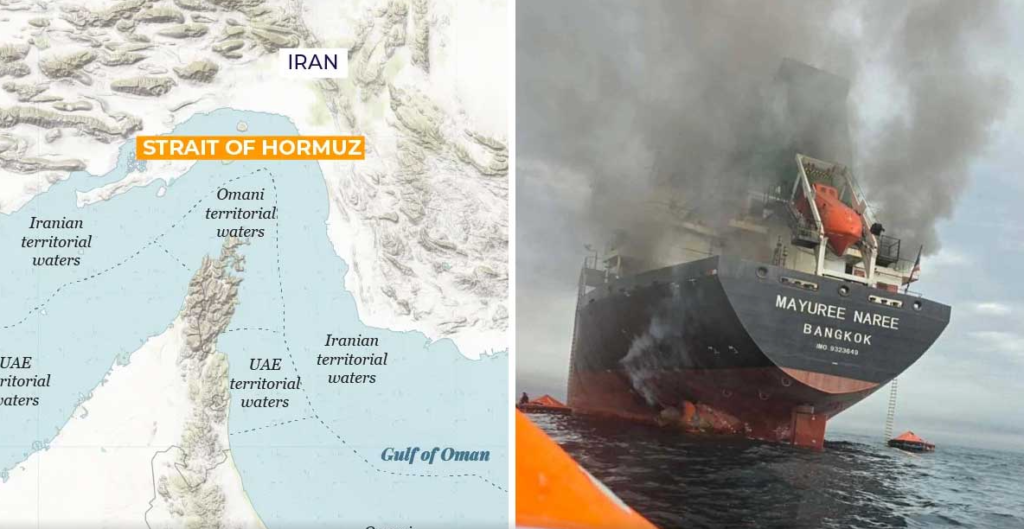
A tentative agreement has been reached between the US and Iran to extend the fragile ceasefire by 60 days, reopen the Strait of Hormuz to commercial shipping, and establish a framework for broader talks on Tehran’s nuclear program, according to US sources. Negotiators finalized the terms of the memorandum of understanding, and both governments have now confirmed its existence, though neither has released the full text.
The Strait of Hormuz is the most immediate prize. The waterway through which roughly one-fifth of the world’s daily oil supply flows was fully open to commercial shipping before February 28, when Iran closed it as its first major retaliatory act following the US-Israeli strikes. Under the agreement, Iran will remove mines it deployed in the strait within 30 days. The US will lift its naval blockade on Iranian ports. Commercial shipping resumes.
The nuclear question is where the agreement becomes more complicated. The International Atomic Energy Agency has been unable to resume inspections inside Iran since the June 2025 strikes, and has not verified the current state of Iran’s nuclear program. IAEA head Rafael Grossi previously warned that any agreement which does not include provisions for such inspections will be an “illusion of an agreement.” The memorandum establishes a framework for talks, it does not resolve the enrichment question.
That gap is exactly what critics are pointing to. An April 8 ceasefire between the US and Iran remains in place but was described as being on “life support” per President Trump himself, amid intermittent fighting since May 4. The new 60-day extension restarts the clock, but it does not resolve the underlying disputes over Iran’s nuclear and ballistic missile programs that caused the conflict in the first place.
The UK, Germany, and France have welcomed the ceasefire extension and called for a long-term agreement, while also demanding that Iran end its nuclear program, curb its ballistic missile program, and stop its regional destabilization activities. Prime Minister Keir Starmer specifically named the reopening of the Strait of Hormuz and the restoration of freedom of navigation as UK priorities.
For the American public, the most tangible consequence of the agreement is the most immediate one: energy prices, which have been elevated since late February, are expected to fall as markets price in the reopening of the strait. Analysts estimate the price of oil could drop by 10 to 15 percent within the first week if the mine-clearing process proceeds on schedule.
Whether this deal holds longer than its predecessor will depend almost entirely on what the 60-day negotiation period produces. Two sides that spent three months unable to agree on what their own ceasefire meant will now attempt to negotiate one of the most complex arms control agreements in decades.
Does a signed ceasefire mean the war is actually over, or just paused until the next violation?