
ATLANTA – The US Centers for Disease Control and Prevention (CDC) confirmed on Sunday that a small number of American citizens are among those infected in the rapidly expanding Ebola outbreak in the Democratic Republic of the Congo (DRC) and neighboring Uganda.
This marks a significant development in what has become the 17th recorded Ebola outbreak in the DRC since the virus was first identified in 1976. Health officials are now racing against time to contain the spread of the Bundibugyo strain, for which there are currently no approved vaccines or specific treatments.
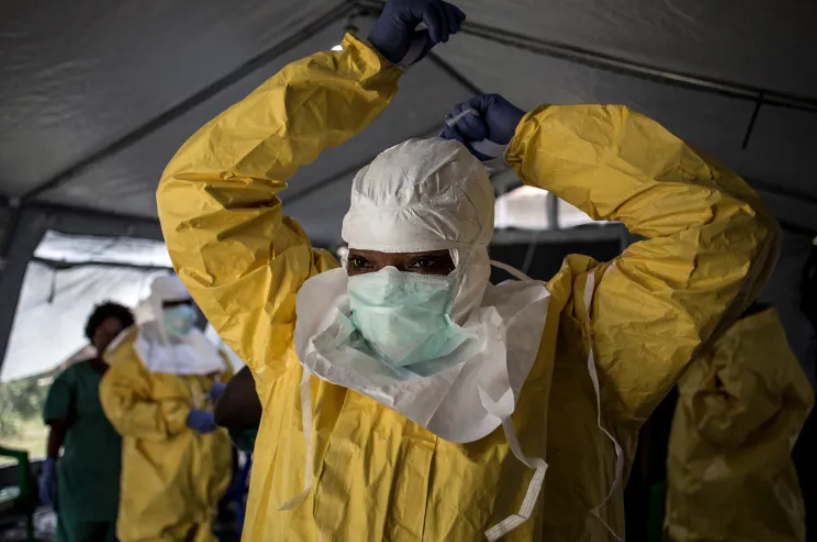
Current Situation in Africa
As of May 17, 2026, health authorities have reported over 336 suspected cases and at least 80-88 deaths in eastern DRC’s Ituri Province, primarily in the mining towns of Mongwalu, Rwampara, and the provincial capital Bunia. At least eight cases have been laboratory-confirmed. Two confirmed cases have already crossed into Uganda, including one that reached the capital Kampala, raising fears of wider regional transmission.
The outbreak is complicated by high population mobility, conflict in the region, and limited healthcare infrastructure. Several healthcare workers have already died after treating patients, highlighting the extreme danger to frontline staff.
American Citizens Affected
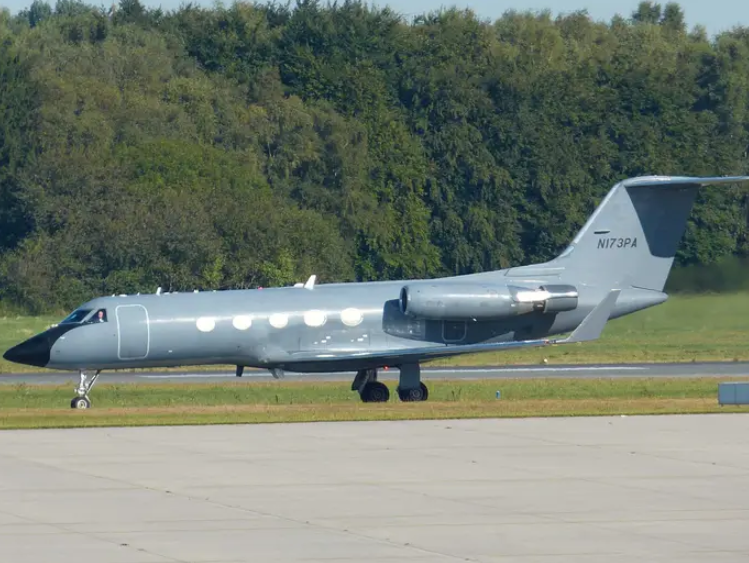
The CDC is actively working to locate and safely evacuate the affected US citizens. Specialized medical evacuation teams are being prepared, and the patients will be brought back to the United States under strict biosafety protocols. Officials have not yet released the exact number of infected Americans or their current condition, citing privacy concerns.
CDC Acting Director Dr. Jay Bhattacharya stated: “We are mobilizing all available resources to protect American lives. Our country offices in DRC and Uganda are fully engaged and providing technical assistance to local authorities.”
CDC and WHO Response
On May 17, the World Health Organization (WHO) declared the outbreak a Public Health Emergency of International Concern (PHEIC) – the highest level of alert. The CDC has issued a Level 2 Travel Health Notice (Practice Enhanced Precautions) for the DRC and Level 1 for Uganda.
The State Department has strongly advised all US citizens to avoid travel to Ituri Province (Level 4: Do Not Travel) due to the combination of Ebola risk, insecurity, and limited emergency services.
Transmission and Symptoms
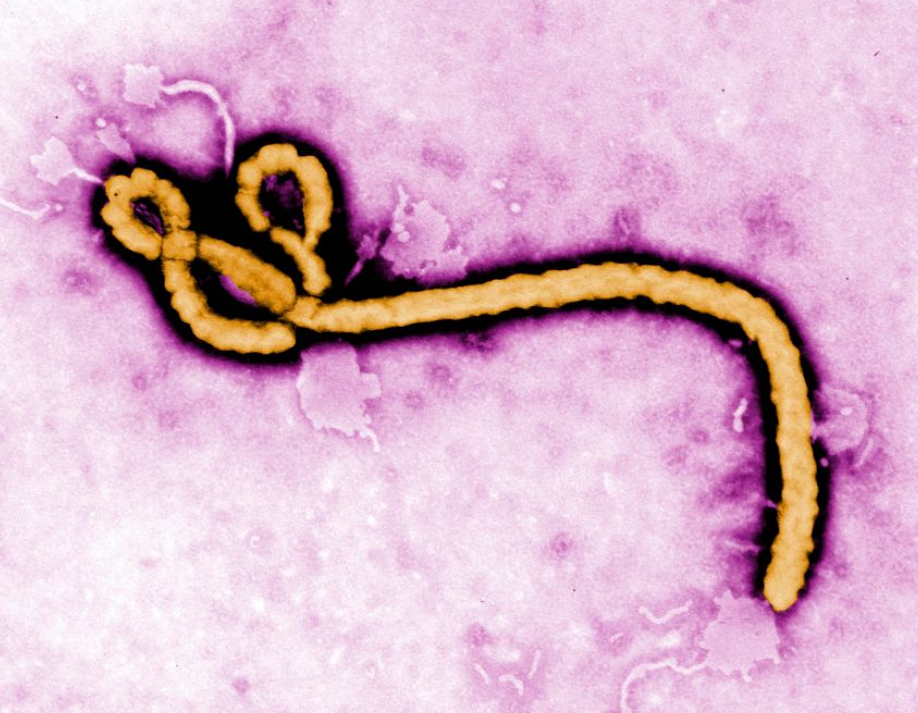
Ebola spreads through direct contact with bodily fluids of infected people or contaminated surfaces. Early symptoms include fever, severe headache, muscle pain, weakness, fatigue, diarrhea, vomiting, and unexplained bleeding. The Bundibugyo strain has a high fatality rate if not treated promptly with supportive care.
What This Means for Americans
While the overall risk to the general American public remains low, the CDC urges anyone who has recently traveled to the affected areas to monitor themselves for symptoms for 21 days after leaving the region and to seek immediate medical care if they develop fever or other signs of illness.
Federal agencies are preparing contingency plans in case the outbreak escalates or additional cases appear in the United States.
Edge World News will continue to monitor this fast-developing situation and provide updates as the CDC, WHO, and State Department release new information regarding the infected Americans and global containment efforts.