
Quick Summary
- More than 72.2 million Americans are expected to travel during the Independence Day holiday period, setting a new all-time record.
- Road travel will dominate, with over 61 million people choosing to drive, while nearly 5.8 million are expected to fly.
- Airports, highways, rail networks, and tourist destinations are preparing for one of the busiest holiday travel periods in U.S. history as America celebrates its 250th anniversary of independence.
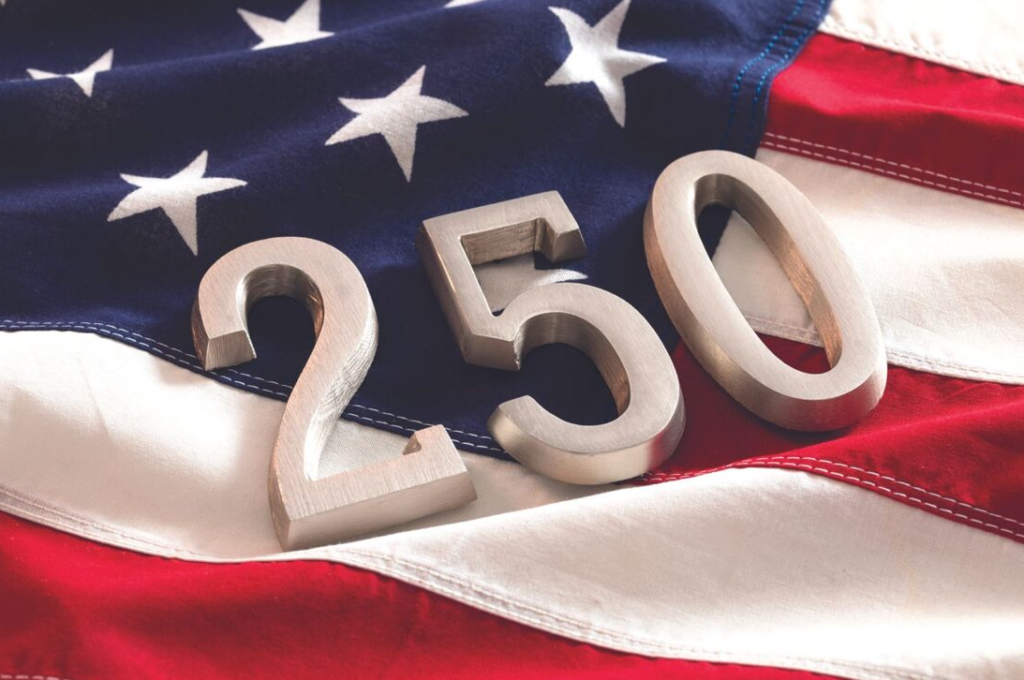
As the United States celebrates the 250th anniversary of the Declaration of Independence, millions of Americans are preparing to take part in what is expected to become the busiest Independence Day travel period ever recorded. According to new projections released by the American Automobile Association (AAA), approximately 72.2 million people will travel at least 50 miles (80 kilometers) from home between June 28 and July 6, surpassing all previous Fourth of July travel records.
The figure represents an increase of nearly 1.7 million travelers compared to last year’s holiday period, highlighting the continued strength of domestic tourism despite rising accommodation costs and heavy demand across the transportation sector. Industry experts say the combination of the historic 250th Independence Day celebrations, strong consumer spending, and favorable travel conditions has encouraged millions of Americans to hit the road, board airplanes, and visit destinations across the country.
Travel companies, airlines, hotels, and transportation agencies have spent months preparing for the holiday rush. Officials expect airports, interstate highways, train stations, and popular tourist attractions to experience sustained congestion throughout the nine-day travel window.
Road Trips Continue to Dominate Holiday Travel
Driving remains by far the preferred method of transportation for Americans celebrating the Fourth of July. AAA estimates that approximately 61.6 million travelers will make their holiday journeys by car, accounting for more than 85 percent of all expected trips.

Transportation analysts attribute the continued popularity of road travel to several factors. Many families view driving as the most flexible and affordable option, particularly for vacations lasting several days or visits to relatives in neighboring states. While fuel prices continue to fluctuate depending on regional markets, they remain relatively stable compared to previous years, helping encourage long-distance travel.
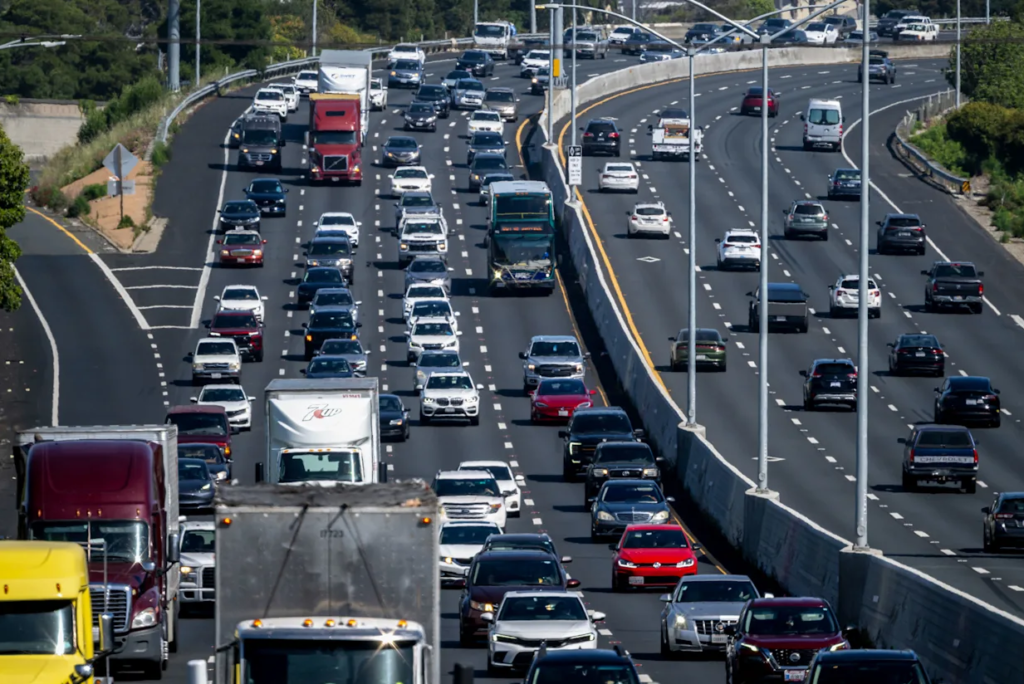
Major interstate highways surrounding metropolitan areas such as New York, Los Angeles, Chicago, Atlanta, Dallas, Houston, Orlando, and Washington, D.C. are expected to experience prolonged periods of heavy congestion, especially during the afternoons and evenings leading into Independence Day weekend.
Traffic monitoring services have warned drivers to expect significantly longer travel times on some of the nation’s busiest routes, particularly as millions leave urban centers simultaneously to reach beaches, lakes, national parks, and holiday celebrations.
Airports Prepare for Record Passenger Numbers
While road travel continues to dominate, America’s aviation industry is also preparing for one of its busiest holiday periods ever.
Nearly 5.8 million passengers are expected to travel by air during the Independence Day holiday, placing additional pressure on airports already operating near peak summer capacity. The Transportation Security Administration (TSA) is forecasting record screening volumes at security checkpoints, with several days expected to rank among the busiest in the agency’s history.
Major airports, including Hartsfield-Jackson Atlanta International Airport, Dallas/Fort Worth International Airport, Denver International Airport, Chicago O’Hare International Airport, and Los Angeles International Airport, have increased staffing levels in anticipation of exceptionally high passenger traffic.
Airlines have also added hundreds of additional flights where possible, although experts warn that thunderstorms, air traffic restrictions, and high passenger demand could still result in delays and schedule adjustments throughout the holiday period.
Travelers are being encouraged to arrive at airports at least two to three hours before departure, complete online check-in in advance, and monitor airline notifications for possible gate or schedule changes.
A Historic Celebration Beyond the Numbers
This year’s travel season carries added significance beyond record-breaking statistics. The Fourth of July in 2026 marks 250 years since the signing of the Declaration of Independence, making it one of the most symbolic national celebrations in modern American history.
Cities across the United States have organized large-scale parades, fireworks displays, concerts, historical reenactments, and community events to commemorate the milestone. Washington, D.C., Philadelphia, Boston, and New York are among the destinations expecting hundreds of thousands of additional visitors during the holiday weekend.
For many families, the anniversary provides a rare opportunity to combine summer vacations with participation in events celebrating America’s history, contributing further to the unprecedented surge in domestic travel.
Economic Impact Expected to Reach Billions
The record number of holiday travelers is expected to provide a major boost to the U.S. economy, particularly for businesses that depend on seasonal tourism. Hotels, restaurants, entertainment venues, rental car companies, gas stations, and retail stores are all preparing for one of the strongest holiday weekends in recent years.
Travel analysts estimate that billions of dollars will be spent nationwide during the Independence Day period, with increased demand for accommodations in coastal destinations, national parks, mountain resorts, and major cities hosting special anniversary celebrations.
Popular destinations such as Orlando, Las Vegas, Miami, Nashville, San Diego, Yellowstone National Park, and the Great Smoky Mountains are expected to see significant increases in visitor numbers. Hotel occupancy rates in several tourist hotspots have already approached capacity, while vacation rentals remain in high demand.
Industry experts say the surge reflects continued consumer confidence in leisure travel despite broader economic uncertainty. Many families planned their vacations months in advance, securing flights and accommodations well before the holiday period began.
Transportation Agencies Prepare for Historic Demand
Federal and state transportation agencies have spent months coordinating operations to manage the expected increase in travelers.
The Transportation Security Administration (TSA) has expanded staffing at major airports and encouraged passengers to arrive early, warning that security checkpoints could experience longer-than-normal wait times during peak travel hours.
Meanwhile, the Federal Aviation Administration (FAA) has been working closely with airlines and airport operators to reduce delays where possible. Airlines have adjusted schedules, added additional flights on popular routes, and positioned extra crews to minimize disruptions.
Despite those efforts, officials caution that weather remains one of the biggest uncertainties. Summer thunderstorms, particularly across the eastern United States, have the potential to delay flights and create ripple effects throughout the national air traffic network.
Road travelers are also being advised to prepare for extended travel times. Traffic monitoring services expect the busiest highways to experience severe congestion during the afternoons of July 3 and the return journey on July 5 and July 6.
Authorities recommend checking traffic conditions before departure, avoiding peak travel hours where possible, and ensuring vehicles are properly serviced before long-distance trips.
America Celebrates 250 Years of Independence
Unlike previous Independence Day weekends, this year’s celebrations carry exceptional historical significance.
The United States is marking 250 years since the adoption of the Declaration of Independence in 1776, a milestone being commemorated through nationwide events, historical exhibitions, military flyovers, concerts, fireworks displays, and community celebrations.
In Washington, D.C., thousands of visitors have gathered for events on the National Mall, while Philadelphia, the birthplace of American independence, has organized an extensive schedule of ceremonies recognizing the nation’s founding.
Across the country, local communities have also expanded traditional Fourth of July celebrations, helping drive higher travel demand than in previous years.
For many Americans, the holiday represents more than just a long weekend. It offers an opportunity to reconnect with family, explore the country’s landmarks, and participate in celebrations marking one of the most significant anniversaries in U.S. history.

What Travelers Should Know
Officials continue to encourage travelers to prepare carefully before beginning their journeys.
Passengers flying this weekend are advised to monitor airline notifications, arrive at airports well in advance of departure, and allow additional time for security screening.
Drivers should expect slower traffic around major metropolitan areas, tourist destinations, and interstate highways during peak departure and return periods. Transportation experts also recommend carrying emergency supplies, checking fuel levels regularly, and planning alternate routes when possible.
Although transportation systems are expected to remain under considerable pressure throughout the holiday period, officials believe advance planning and increased staffing should help minimize major disruptions.
Looking Ahead
The record-breaking Independence Day travel forecast reflects a broader trend that has emerged over recent years, with domestic tourism continuing to recover and expand.
Industry analysts believe strong consumer demand, improved travel infrastructure, and Americans’ willingness to prioritize leisure experiences will continue supporting record travel numbers throughout the remainder of the summer season.
If current projections are met, the 2026 Fourth of July holiday will become the busiest Independence Day travel period ever recorded in the United States, underscoring both the nation’s growing travel demand and the symbolic importance of celebrating America’s 250th anniversary.
As millions of Americans take to the skies and highways, transportation officials remain focused on ensuring safe, efficient, and reliable travel during one of the most significant holiday weekends in modern U.S. history
FAQ
How many Americans are expected to travel during the 2026 Fourth of July holiday?
According to AAA, approximately 72.2 million Americans are expected to travel at least 50 miles from home, setting a new Independence Day travel record.
What is causing the increase in holiday travel?
Experts attribute the surge to the historic 250th anniversary of American independence, strong domestic tourism demand, and stable travel conditions.
Will airports be busier than usual?
Yes. TSA expects one of the busiest travel periods in its history, with millions of passengers passing through airport security checkpoints nationwide.
Editorial Note
This article is based on official data released by the American Automobile Association (AAA), the Transportation Security Administration (TSA), the Federal Aviation Administration (FAA), and publicly available government information. Edge World News will update this article if new official information becomes available.
Sources
Reuters -World Cup, 250th anniversary to help drive up July 4 travel even as high fuel prices bite
AAA: Travel Ticks Up for Independence Day 2026, Setting New Record