
Global oil markets reacted sharply after Donald Trump rejected Iran’s latest response to a U.S. peace proposal connected to the ongoing Strait of Hormuz crisis.
The developments immediately increased fears that the conflict involving the United States, Iran, and Gulf shipping routes could continue escalating, pushing energy markets and global investors into another period of uncertainty.
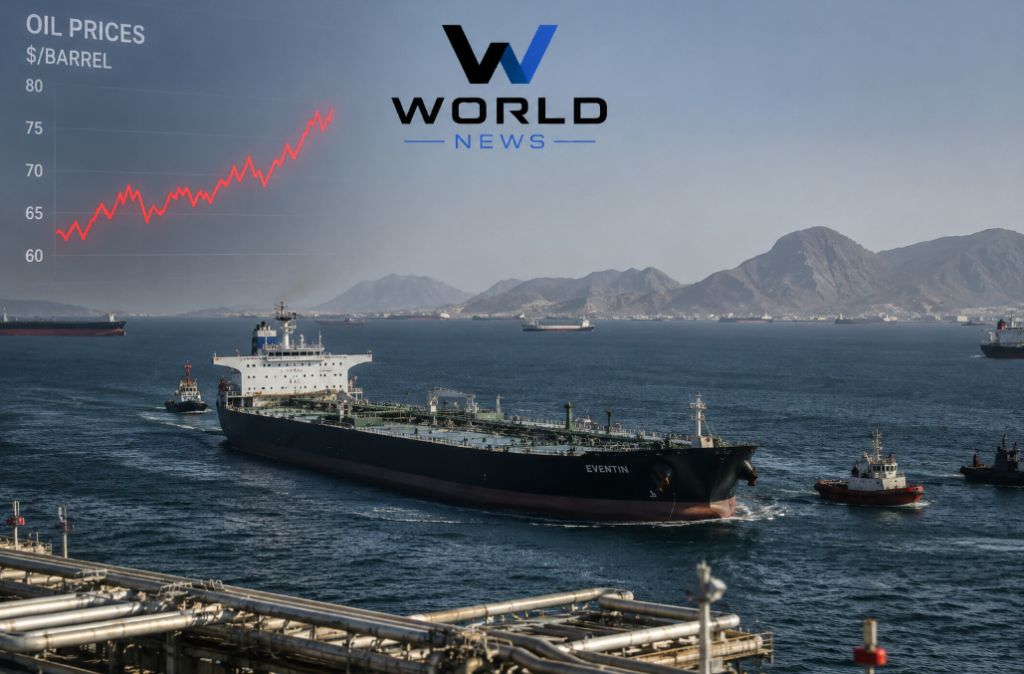
Oil Prices Rise After Trump Rejects Iran’s Proposal
According to Reuters and international financial analysts, oil prices moved higher after Trump described Iran’s response to the proposed agreement as “unacceptable.”
The comments renewed fears that negotiations aimed at reducing tensions in the Gulf region may collapse entirely.
Markets reacted quickly because the Strait of Hormuz remains one of the world’s most important energy corridors, carrying a major share of global oil shipments every day.
Analysts warn that prolonged instability involving the Gulf region could rapidly affect:
- fuel prices
- inflation
- shipping costs
- global supply chains
- transportation expenses worldwide

Strait of Hormuz Still Facing Major Disruptions
Commercial shipping activity in the Strait of Hormuz remains heavily affected by military tensions, naval patrols, and ongoing security concerns.
Several reports indicate that parts of the shipping corridor continue facing delays and increased military monitoring as fears of further escalation grow.
The region has become the center of global attention due to its importance for:
- oil exports
- maritime trade
- global energy security
Experts warn that even limited disruptions near the Strait can trigger immediate reactions across financial and commodity markets worldwide.
Global Economy Watching Closely
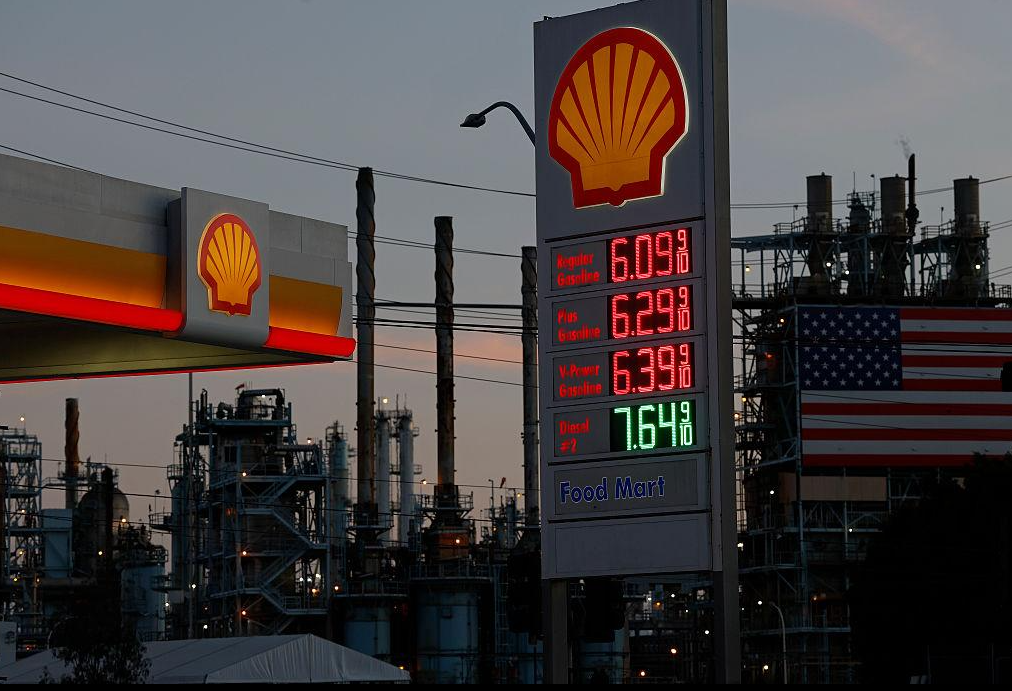
The latest developments are also increasing concerns among economists and investors already worried about inflation and rising living costs.
Higher energy prices could place additional pressure on:
- consumers
- businesses
- transportation industries
- financial markets
Several governments are reportedly monitoring the situation closely as uncertainty surrounding Middle East stability continues growing.
Diplomatic Efforts Continue Despite Rising Tensions
Despite the latest setback, diplomatic negotiations involving mediators and international officials are reportedly still ongoing behind closed doors.
However, analysts warn the situation remains extremely fragile as both Washington and Tehran continue exchanging warnings while military activity persists in the region.
The coming days are now being viewed as critical for determining whether the crisis moves toward de-escalation or a wider confrontation with global economic consequences.