
Scientists and space weather agencies are closely monitoring a powerful solar storm moving toward Earth, raising concerns about potential disruptions to GPS systems, satellite communications, and parts of the global power infrastructure in the coming days.
According to preliminary observations released by the National Oceanic and Atmospheric Administration (NOAA) and space weather researchers, the storm originated from a significant solar flare eruption detected earlier this week on the surface of the Sun.
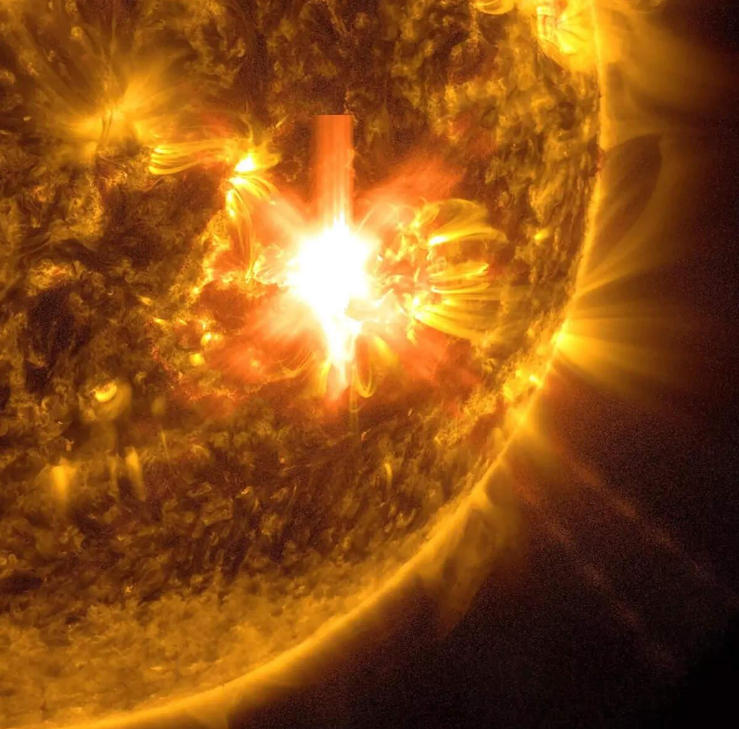
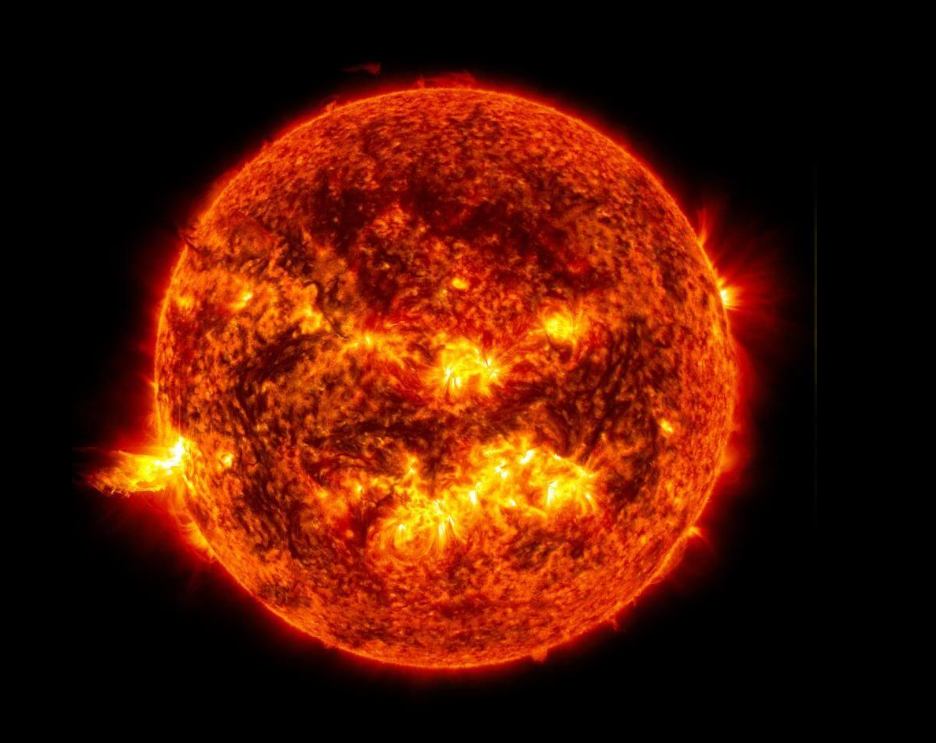
Experts say the event appears strong enough to trigger geomagnetic disturbances once charged solar particles interact with Earth’s magnetic field.
While officials stress that there is no immediate cause for public panic, scientists warn that severe solar activity has historically affected critical technological systems, including navigation networks, radio communications, aviation routes, and electrical infrastructure.
“This is the type of event we monitor very carefully,” one space weather analyst said during a briefing on Tuesday. “Modern civilization depends heavily on satellite-based systems, and strong geomagnetic storms can interfere with those systems in unpredictable ways.”
The current storm is expected to reach Earth within the next several days, though forecasts may still change depending on the speed and direction of the solar material traveling through space.
NOAA’s Space Weather Prediction Center has already issued monitoring alerts as researchers continue analyzing the intensity of the incoming geomagnetic activity.
Solar storms occur when the Sun releases massive bursts of energy and charged particles into space. In stronger events, these particles can temporarily disturb Earth’s magnetic environment, occasionally leading to technological disruptions on the ground and in orbit.
In recent years, scientists have repeatedly warned that increasing global dependence on digital infrastructure has made modern societies more vulnerable to major space weather events.
Potential impacts from severe geomagnetic storms may include:
- temporary GPS inaccuracies
- disruptions to satellite communications
- radio signal interference
- airline route adjustments near polar regions
- fluctuations in electrical systems
Although large-scale catastrophic scenarios remain unlikely, experts note that even moderate disruptions could affect industries that rely heavily on precision timing and satellite connectivity.
Aviation companies, telecommunications providers, emergency response systems, and military networks are among the sectors closely monitoring updates from space weather agencies.
The phenomenon may also produce vivid auroras visible much farther south than usual, potentially allowing millions of people across North America and Europe to witness unusual northern lights displays over the coming nights.
Historically, some of the strongest solar storms have caused widespread communication failures and electrical disturbances. The most famous example, known as the Carrington Event of 1859, disrupted telegraph systems around the world after an extremely powerful solar eruption reached Earth.
While modern infrastructure is significantly more advanced, experts caution that today’s technological dependence also creates new vulnerabilities that did not exist in previous centuries.
Scientists are expected to continue monitoring the storm hour by hour as additional solar data becomes available.