
Microsoft has issued a high-level cybersecurity warning after researchers identified a sophisticated “zero-click” vulnerability capable of compromising Windows devices without any direct interaction from users, a category of exploit considered among the most dangerous in modern cyber warfare.
The company confirmed that the flaw affects core components used across multiple Windows environments and warned that attackers could potentially exploit vulnerable systems remotely under certain conditions. Security analysts say the vulnerability has already triggered concern among federal agencies, enterprise security teams, and critical infrastructure operators in the United States.
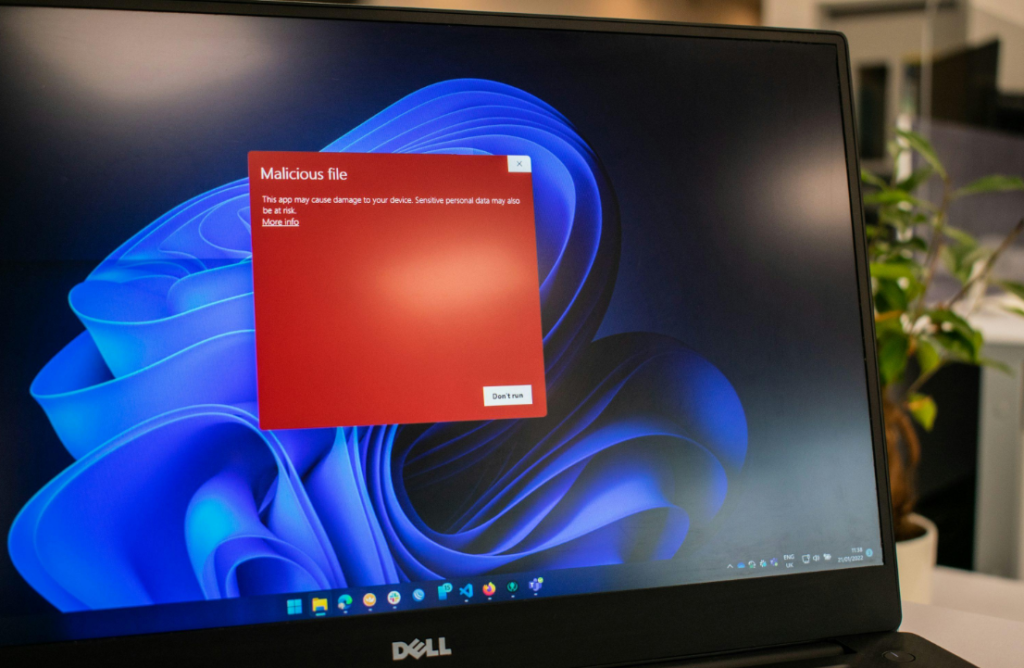

Unlike conventional cyberattacks that rely on phishing emails, malicious downloads, or deceptive links, zero-click exploits operate with little or no user involvement. In practical terms, victims may not need to open a file, click a message, or approve any action for an attack to begin. This makes such vulnerabilities exceptionally difficult to detect and significantly more dangerous than traditional malware campaigns.
Cybersecurity experts describe zero-click exploits as some of the most valuable and sought-after tools in the digital espionage world. In recent years, similar techniques have reportedly been used in operations targeting journalists, government officials, corporate executives, and communication systems worldwide.
Microsoft stated that security patches are being deployed, but warned organizations not to underestimate the urgency of the threat. Millions of devices may remain exposed until updates are fully installed and security systems are reviewed.
The warning arrives during a period of heightened international concern surrounding cyber warfare and attacks against Western digital infrastructure. American intelligence officials have repeatedly warned that state-linked hacking groups and organized cybercriminal networks are becoming increasingly aggressive, particularly in sectors involving banking, healthcare, telecommunications, transportation, and energy.
Several cybersecurity firms monitoring the situation say the newly discovered vulnerability appears technically advanced and potentially capable of bypassing traditional defensive measures under specific conditions. While Microsoft has not publicly attributed the exploit to any particular organization or foreign actor, analysts note that vulnerabilities of this nature are frequently weaponized in targeted operations before becoming publicly known.
“This is not the type of threat average users typically notice immediately,” one cybersecurity consultant said during a briefing on Tuesday. “The real danger with zero-click vulnerabilities is that intrusions can occur silently, leaving organizations unaware until sensitive systems or data have already been compromised.”
Federal cybersecurity agencies in the United States are reportedly coordinating with major technology companies to assess the broader implications of the vulnerability. Internal alerts have also circulated among corporate IT departments advising immediate patch deployment and heightened network monitoring.
Microsoft has recommended that users and businesses:
- install all available Windows security updates immediately
- enable multi-factor authentication
- review administrative access permissions
- monitor unusual login activity
- avoid operating unsupported software environments
Security researchers additionally warn that delayed updates remain one of the biggest weaknesses in large organizations, where thousands of machines may not receive critical patches for days or even weeks after release.
The incident is expected to intensify ongoing debates in Washington over cybersecurity readiness and digital infrastructure protection. Over the past year, American officials have repeatedly emphasized that cyber threats are no longer limited to isolated criminal activity, but increasingly represent strategic national security concerns capable of disrupting essential systems at scale.
For ordinary users, the warning serves as another reminder that modern cyber threats are evolving rapidly, becoming quieter, more automated, and far more sophisticated than the online attacks that dominated previous decades.
While Microsoft insists mitigation efforts are already underway, cybersecurity experts caution that the coming days will be critical in determining whether the vulnerability remains contained or evolves into a broader global security incident.