
Monday was supposed to be the day things finally calmed down. Instead, it became one of the most chaotic 24-hour stretches of the entire conflict.
It started when Netanyahu ordered Israeli strikes on Beirut’s southern suburbs, a densely populated Hezbollah stronghold. Iran responded by announcing it was suspending all talks and communications with the United States unless Israel halted its expanding offensive in Lebanon. On Feb. 28, the US and Israel started the war, which has killed thousands of people, mostly in Iran and Lebanon, as well as 13 US service members. NPR
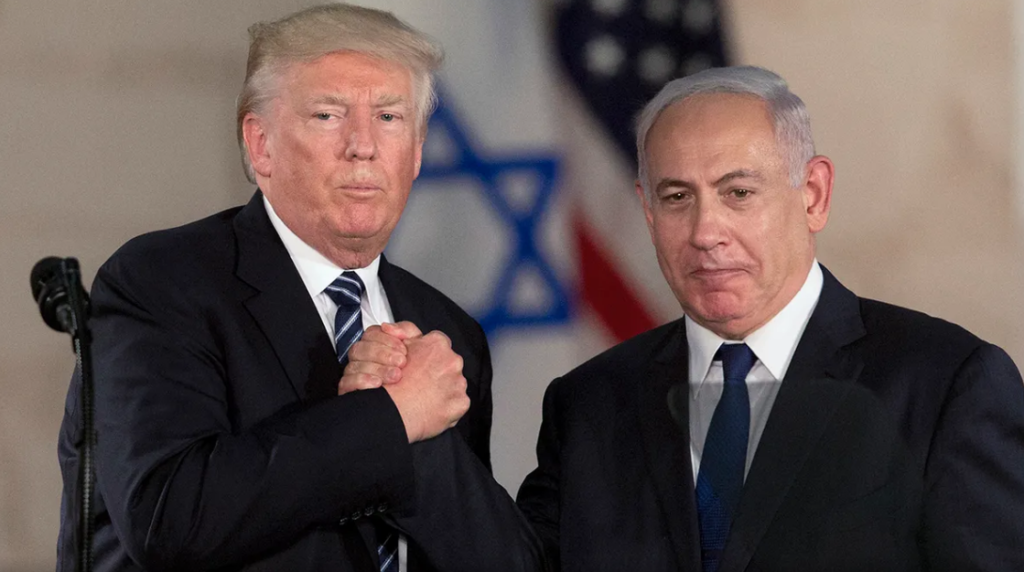
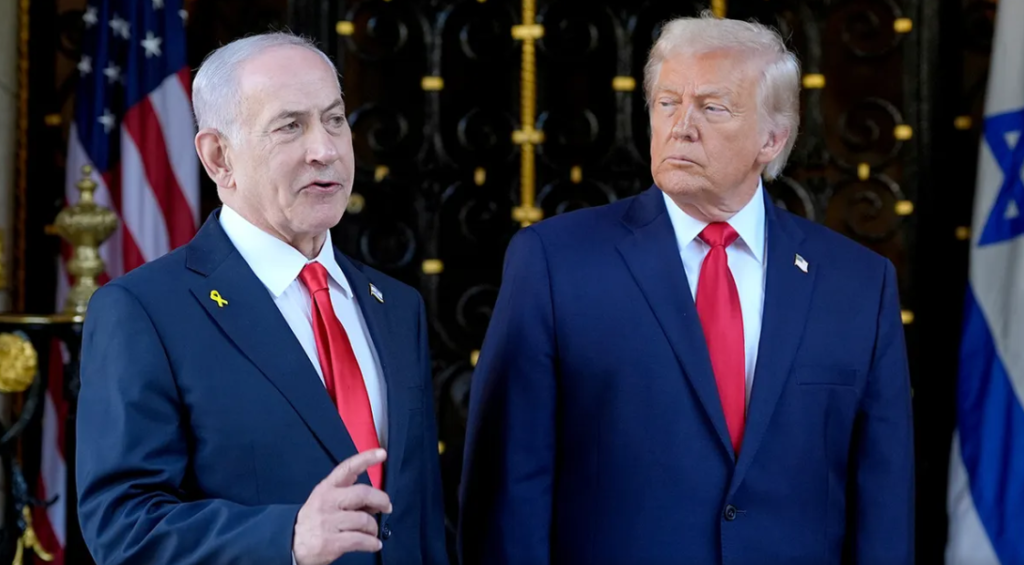
Trump moved quickly to contain the damage. He posted on Truth Social that talks between the US and Iran were continuing “at a rapid pace” and said he had held a “very productive call” with Netanyahu. He also claimed to have spoken, through intermediaries, with Hezbollah leadership. “They agreed that all shooting will stop, That Israel will not attack them, and they will not attack Israel,” Trump wrote.
Netanyahu’s response made clear how little that announcement meant in practice. Hours after Trump declared the shooting would stop, Netanyahu said the Israeli military would “continue to operate as planned in southern Lebanon.” There were clashes overnight between Israel and Hezbollah. The Washington Post
Qatar worked with the United States over the weekend and again on Monday to push for de-escalation in southern Lebanon and help preserve a nominal ceasefire. Following Trump’s call with Netanyahu, the United States informed Qatar that it had instructed Israel to cancel the planned operation in Beirut. Lebanese authorities separately received confirmation of Hezbollah’s agreement to a US proposal calling for a ceasefire with Israel. Fox News
Since March 2, Israel has killed more than 3,400 people in Lebanon while seizing large swaths of the country and displacing about one-fifth of the population. The conflict that was supposed to stay contained between Iran and the United States has consumed Lebanon in the process.
The preliminary talks between Washington and Tehran were aimed at reopening the Strait of Hormuz. The more contentious issues, restarting nuclear negotiations, addressing ballistic missile programs, would come later. That entire framework is now in jeopardy because of what is happening in Beirut. CBS News
Why it matters: Trump can announce a ceasefire on social media. What he cannot do is enforce one when Netanyahu has decided that his military objectives in Lebanon take precedence over American diplomacy. The disconnect between what the US president declares and what Israel actually does has now become the single biggest obstacle to ending a war that has displaced millions of people, closed the world’s most important oil route, and killed thousands on multiple fronts. Until Washington and Jerusalem are aligned on Lebanon, no deal with Iran will hold.
Trump says the shooting stops. Netanyahu says it continues. Who is actually in charge of this ceasefire?