
The gap between the official narrative of a ceasefire and the military reality on the ground has never been wider. On Tuesday, Iran launched strikes targeting Kuwait and Bahrain, two Gulf states that host major U.S. military installations, while American forces conducted new strikes on Iranian targets near the Strait of Hormuz.
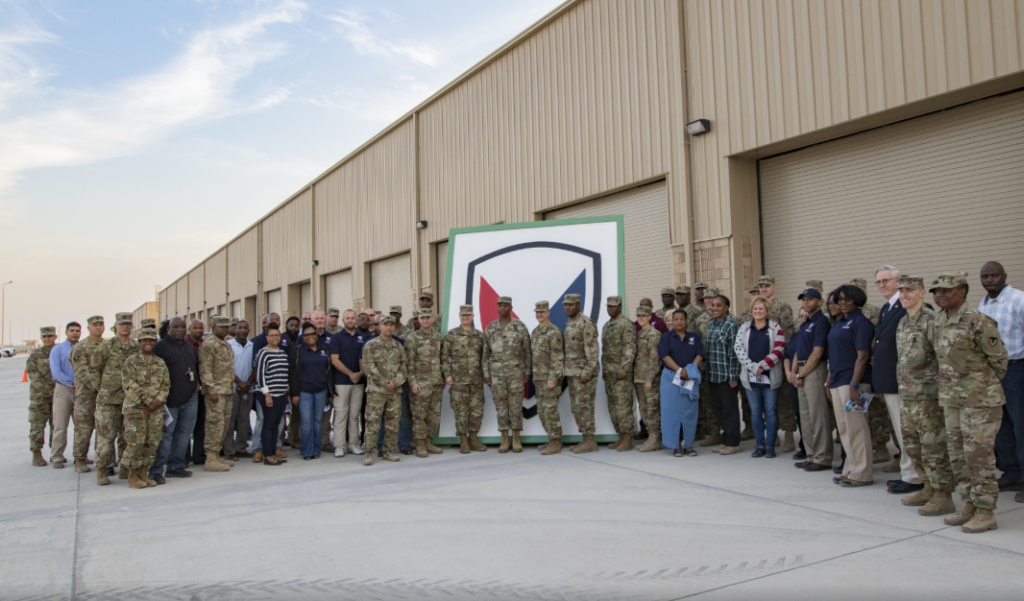
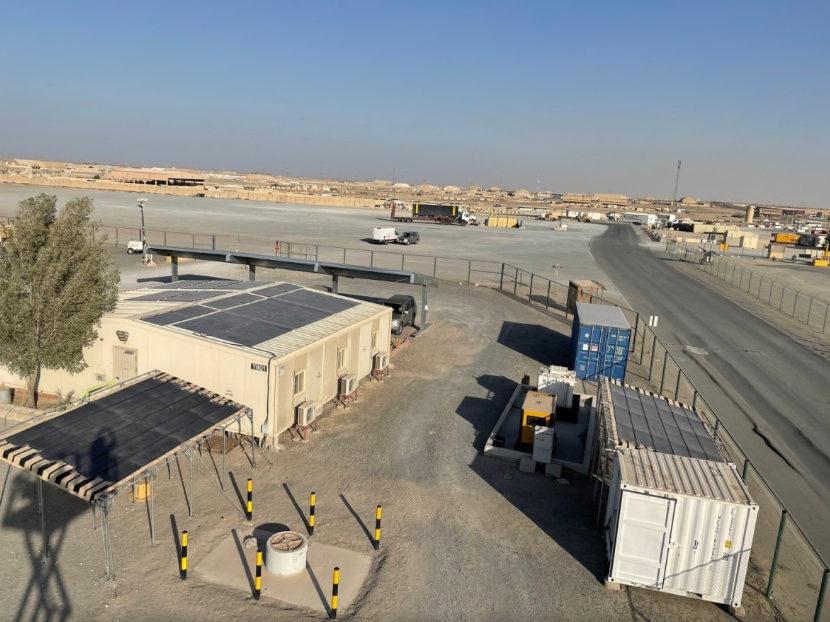
CNN’s live war coverage confirmed that Iran has now struck Gulf nations hosting American military bases on multiple occasions during the ceasefire period, including Kuwait, Bahrain, and the United Arab Emirates. Camp Arifjan in Kuwait is one of the largest U.S. Army installations in the Middle East. Naval Support Activity Bahrain serves as the headquarters of the U.S. Fifth Fleet. Strikes on either country pull additional American treaty partners directly into a conflict that diplomats have spent three months trying to contain.
The economic cost of the ongoing war is now being formally quantified. The OECD, the Paris-based international economic organization, published its latest global outlook this week warning that a prolonged disruption to energy flows from the Middle East lasting into 2027 would slow global economic growth to 2.1 percent this year and 1.8 percent in 2027. “Such rates are extremely low outside of major global recessions such as the global financial crisis or the pandemic,” the OECD said in its report, according to Reuters. Even in the more optimistic scenario of a quicker resolution, the organization projects global growth slowing from 3.4 percent in 2025 to 2.8 percent in 2026.
“The global economy entered 2026 with robust momentum, but the outlook has weakened significantly since the start of the conflict,” OECD Secretary-General Mathias Cormann said in a statement accompanying the report.
For American households, those percentages are not abstract. Elevated energy prices driven by the Hormuz blockade have kept gas prices high for three consecutive months, feeding into inflation that the Federal Reserve cannot address through interest rate policy alone. The Fed is caught between raising rates to fight inflation and cutting them to avoid a slowdown, and the war has made that already difficult calculation nearly impossible.
Iran suspended formal negotiations with the United States earlier this week over Israel’s continued military operations in Lebanon, according to Al Jazeera. The talks are technically described as “paused,” not ended, but the distinction is becoming harder to maintain as the fighting continues on multiple fronts simultaneously.
If both sides keep firing while calling it a ceasefire, at what point does the word “ceasefire” stop meaning anything at all?