
WASHINGTON – The U.S. Department of Justice announced on Monday the creation of the “Anti-Weaponization Fund,” a nearly $1.776 billion initiative designed to provide compensation and redress to individuals who claim they were subjected to politically motivated investigations or prosecutions by the federal government.
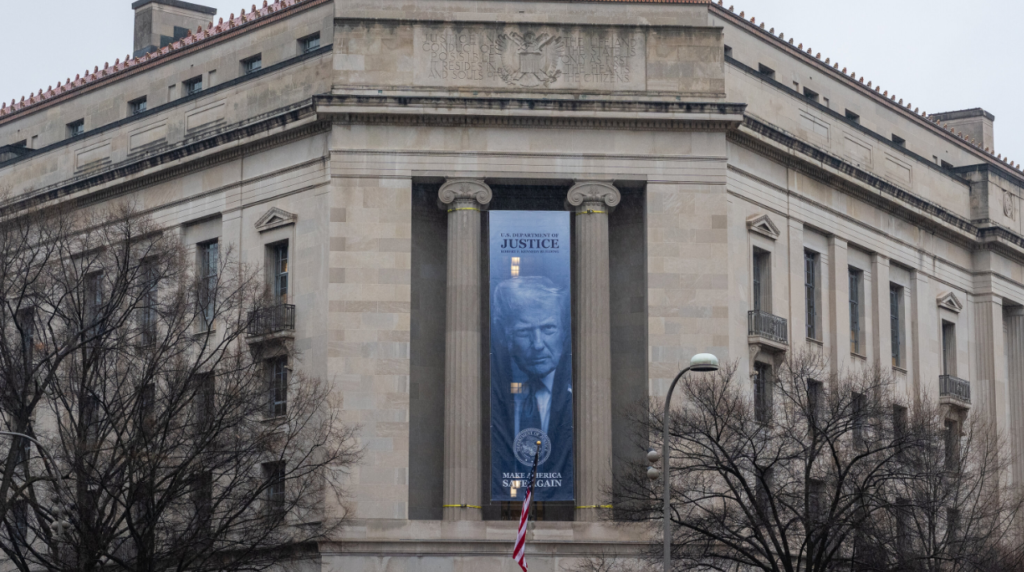
The fund was established as part of a settlement agreement in which President Donald J. Trump, Donald Trump Jr., Eric Trump, and the Trump Organization agreed to drop a $10 billion lawsuit against the Internal Revenue Service over the 2019 leak of the president’s tax returns. Under the terms of the deal, the Trump family received a formal apology but no monetary damages.
According to the Justice Department, the fund will operate through a five-member commission, with four members appointed by the Attorney General. It aims to review claims from individuals who believe they were victims of “lawfare and weaponization” across administrations. Payments and formal apologies may be issued where claims are substantiated, with unused funds returning to the federal government.
Details of the Settlement
The announcement was made by Acting Attorney General Todd Blanche, who described the fund as a “lawful process for victims of government overreach to be heard and seek redress.” The $1.776 billion comes from the federal Judgment Fund, a permanent appropriation used to settle legal claims against the government.
Critics, including Democratic lawmakers and government watchdog groups, have called the fund a “slush fund” that could disproportionately benefit Trump allies and supporters, including potentially those involved in the January 6, 2021, Capitol events. Several Democratic members of Congress have already filed legal challenges seeking to block its implementation.
Reactions and Controversy
President Trump welcomed the development, stating that it represents a long-overdue correction to what he has described as years of political persecution. Supporters argue the fund provides necessary accountability for past actions by federal agencies.
Opponents, however, warn that the lack of detailed eligibility criteria and oversight could lead to misuse of taxpayer dollars. Senate Majority Leader John Thune expressed some reservations, becoming one of the few prominent Republicans to voice concern over the scale and structure of the program.
The Treasury Department’s top lawyer reportedly resigned shortly after the announcement, citing concerns over the settlement terms.
What Happens Next
Applications for relief from the fund are expected to open in the coming weeks. The commission will issue quarterly reports to the Attorney General detailing payouts and decisions. The program is scheduled to run through mid-December 2028.
Legal experts note that while the fund is framed as non-partisan, its timing and origins have sparked intense debate about the independence of the Justice Department.