
For the first time since February 28, when U.S. and Israeli strikes launched what became one of the most disruptive conflicts in recent memory, there is a concrete path toward ending the war with Iran. On Saturday, President Trump posted on social media that an agreement has been “largely negotiated” and will be announced shortly. By Sunday morning, the picture had become clearer, and more complicated.
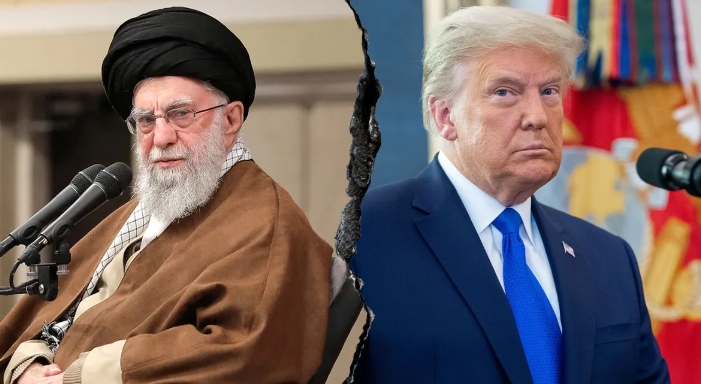
The agreement involves a 60-day ceasefire extension during which the Strait of Hormuz would be reopened, Iran would be able to freely sell oil, and negotiations would be held on curbing Iran’s nuclear program. During the 60-day period, Iran would agree to clear the mines it deployed in the strait to let ships pass freely. In exchange, the U.S. would lift its blockade on Iranian ports and issue some sanctions relief.
On paper, this is enormous. The Strait of Hormuz carries roughly 20 percent of the world’s oil supply. Its closure since late February sent energy prices to record highs, fueled inflation across the United States and Europe, and pushed the global economy toward recession territory. A reopening would provide immediate relief to millions of Americans at the gas pump and to businesses struggling with soaring fuel costs.
But the deal is far from universally welcomed. A senior Israeli official said the emerging agreement is bad because it signals to Iranians that they possess a weapon no less effective than a nuclear one, and that is the Strait of Hormuz. The official said while Trump believes the agreement includes an opening of the Strait of Hormuz with progress linked to Iran dismantling its nuclear program, it was not clear what would happen after the initial phase.
Republicans are also divided. Senator Ted Cruz of Texas said the president should stick to his red lines, adding it would be a “disastrous mistake” if an agreement resulted in Iran being able to develop nuclear weapons and have control over the Strait of Hormuz.
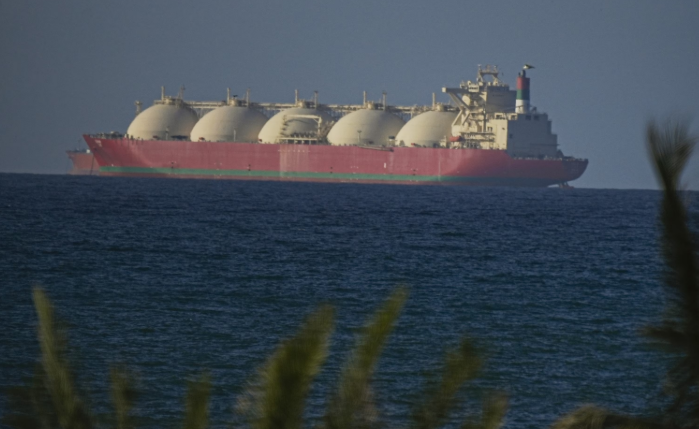
Iran’s own state media added another layer of uncertainty. The Iranian news agency Tasnim reported that the Strait of Hormuz would “not return to its pre-war status” under an agreement. That single line is being read very differently in Washington and Tehran, raising questions about whether both sides are actually agreeing to the same thing.
U.S. Secretary of State Marco Rubio, speaking to reporters while on a trip to New Delhi, was positive overall about the direction of talks. He repeated Trump’s core criteria: stopping Iran from obtaining a nuclear weapon, reopening the Strait of Hormuz without tolls, and Iran handing over enriched uranium. “This problem will be solved, as the president’s made clear, one way or the other,” Rubio said.
Why it matters: A deal with Iran would be one of the most significant foreign policy achievements of the Trump presidency and would have immediate consequences for everyday Americans. Gas prices, food costs, and mortgage rates have all been affected by the energy shock caused by the Hormuz closure. But a rushed or vague agreement that leaves Iran’s nuclear program unresolved could create a far more dangerous situation within a year. The next 60 days will determine whether this is the beginning of a lasting peace or simply a pause before the next crisis.
Does this deal make the world safer, or is the US giving Iran too much too soon?