
For more than half a century, foreigners living legally in the United States, on work visas, student visas, or even as spouses of American citizens, could apply for a green card without ever leaving the country. That process, known as “adjustment of status,” was a cornerstone of the American legal immigration system. On Friday, May 22, the Trump administration quietly abolished it.
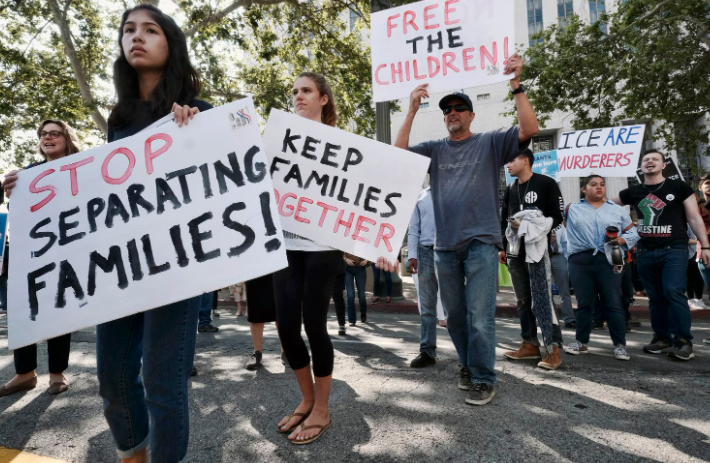
U.S. Citizenship and Immigration Services announced that foreigners in the U.S. who want a green card will need to leave and apply in their home country, except in “extraordinary circumstances.” The announcement sowed confusion and concern among aid groups, immigration lawyers, and immigrants across the country.
The practical consequences are staggering. Most people applying for green cards from within the United States will now be required to leave the country and apply through consulates abroad. The move will dramatically complicate the process for hundreds of thousands of people who seek permanent residency from within the U.S. each year. Applying for a green card is already a process that can take months or years. Forcing applicants to do it from abroad means leaving behind their jobs, their homes, and in many cases their American-born children.
The human cost becomes even clearer when you consider who this affects most. This includes individuals married to U.S. citizens, holders of work and student visas, and refugees and political asylum seekers. For many of these people, returning home is not a simple administrative step. The U.S. Embassy in Afghanistan, for example, has been closed since the American withdrawal in 2021. Citizens of the 39 countries currently on U.S. travel ban or restriction lists face an even harsher reality.
World Relief, a Christian humanitarian organization, called the policy “anti-family” and warned it would “force apart husbands from wives and children from their parents” for a potentially months to years-long waiting period. “If they leave, it may be decades before they can return,” immigration attorney Aaron Reichlin-Melnick warned, referring specifically to citizens of travel-banned countries.
The administration’s justification is blunt. USCIS spokesperson Zach Kahler said: “When aliens apply from their home country, it reduces the need to find and remove those who decide to slip into the shadows and remain in the US illegally after being denied residency.” Officials described the change as closing a “loophole” and returning to “the original intent of the law.”
Critics hit back immediately. New York Governor Kathy Hochul said the new policy “betrays the very promise that built this country.” Democratic representatives called it “beyond cruel” and accused the administration of deliberately making legal immigration harder. Legal challenges are already being prepared.
Why it matters: This is not an immigration enforcement story, it is a legal immigration story. The people affected by this rule are not undocumented. They followed the rules, obtained visas, and were working toward permanent residency through the system exactly as designed. The administration’s decision to force them out raises a fundamental question about what kind of legal immigration, if any, the United States wants to encourage. For American businesses that rely on international talent, for universities that attract global researchers, and for the millions of families with mixed immigration status, the answer coming from Washington is becoming increasingly clear.
Do you think legal immigrants who are already living and working in the US should be forced to leave to apply for a green card?