
Three months into a war that was supposed to last days, the United States and Iran remain locked in a standoff that neither side can afford and neither side appears willing to end on the other’s terms. On Wednesday, President Trump sat down at a Cabinet meeting and delivered his most direct assessment yet of where things stand.
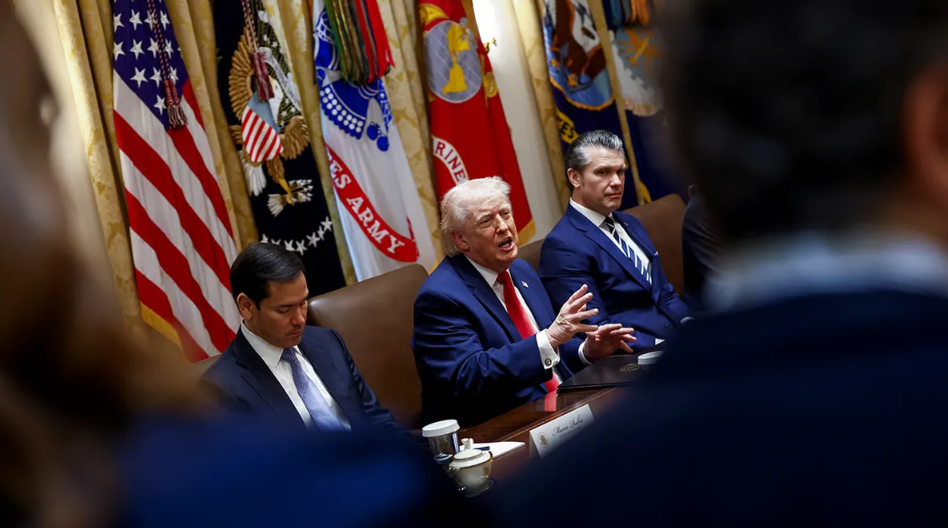
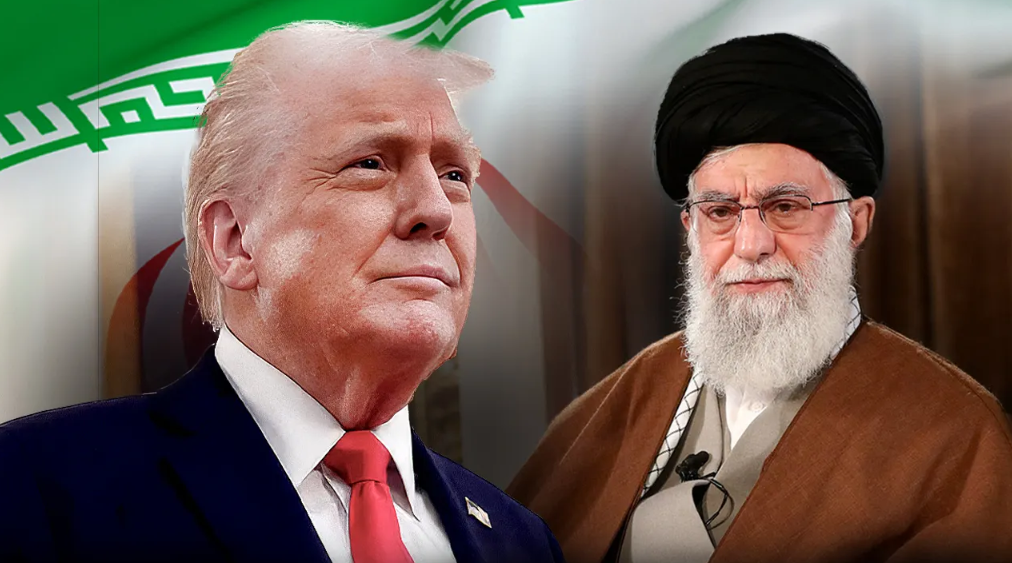
Trump asserted that Iran is “negotiating on fumes” and insisted that November’s midterm elections won’t make him rush into a deal to end the nearly three-month-old conflict that has spurred unease across the global economy. Speaking at the start of a Cabinet meeting, Trump expressed confidence that a deal is near.
Trump warned that Iran cannot “out-wait” him in the hope that he would back down. He framed the blockade as a tactic to undermine his domestic support ahead of the crucial midterm elections. “I don’t care about the midterms,” Trump said.
The words sound confident. The reality on the ground tells a different story.
As of Saturday, about 240 ships are waiting for Iran’s permission to pass through the strait. Iran has been implementing a new protocol for vessels wishing to transit, requiring them to register with the Persian Gulf Strait Authority, a body Tehran established on May 5 as the official representative responsible for issuing permits and regulating maritime traffic through the waterway. In other words, Iran is not simply blocking the strait. It is building a bureaucratic infrastructure to control it permanently.
The White House dismissed Iranian state media reports that the memorandum of understanding being negotiated would lift the US blockade of Iranian ports in exchange for the reopening of the strait. Iran’s state news pushed back just as firmly, calling Trump’s assertion that Iran would no longer control access to Hormuz “inconsistent with reality.”
That gap, between what Washington says the deal contains and what Tehran says it contains, is not a minor translation problem. It reflects a fundamental disagreement over who controls the most important waterway in global energy markets. The US wants the strait fully reopened with no Iranian tolls or permit requirements. Iran wants to formalize its authority over the passage as part of any agreement. Those two positions are not close to compatible.
Trump is looking for a settlement that will reopen the Strait of Hormuz and provide him with a credible argument that Iran’s nuclear capability has been diminished enough to declare victory, winding down a conflict that has been politically costly at home. Iran’s new supreme leadership, meanwhile, is trying to extract maximum concessions before signing anything that could be portrayed domestically as surrender.
Why it matters: Every day the Strait of Hormuz remains contested, the cost is measured in real numbers. U.S. inflation has hit multi-year highs driven by energy prices. Global shipping routes have been permanently disrupted. Hundreds of commercial vessels sit at anchor waiting for a diplomatic resolution that keeps not arriving. Trump’s language at Wednesday’s Cabinet meeting was aggressive and confident. But confidence has not reopened the strait. The next 48 to 72 hours will show whether the gap between the two sides is actually closing, or whether another round of strikes is the more likely outcome.
Do you think Trump will strike a deal with Iran before the midterms, or is this war about to escalate again?