
The United States refugee program has long operated on a straightforward premise: the most vulnerable people in the world, regardless of where they come from or what they look like, get priority. On May 21, 2026, President Trump signed a determination that quietly rewrote that premise entirely.
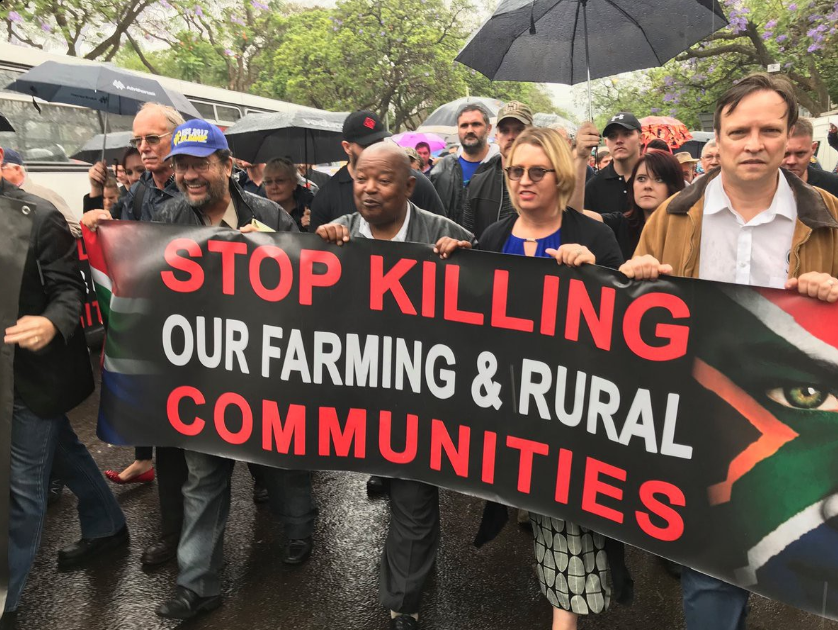
Trump signed a presidential determination on May 21 increasing the U.S. refugee admissions ceiling for fiscal year 2026 from 7,500 to 17,500. The additional 10,000 slots target white South Africans, primarily Afrikaners, according to the document and administration statements sent to Congress.
To understand how extraordinary this is, consider the numbers. Government figures show that by the end of April 2026, 6,069 refugees had entered the United States under the program. All but three were white South Africans. In a country that once welcomed more than 100,000 refugees a year from war zones, famine regions, and countries torn apart by political violence, the U.S. refugee program has been reduced to something functionally unrecognizable, a targeted resettlement pipeline for one ethnic group from one country.
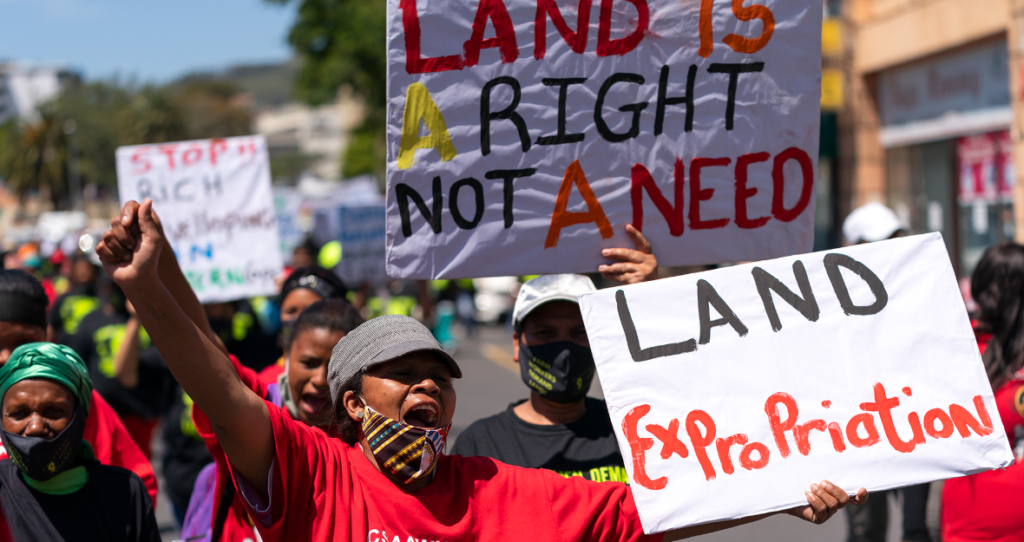
The legal justification is revealing. The determination declared that “an unforeseen emergency refugee situation now exists due to recent increases in the incitement of racially motivated violence on the part of the Government of South Africa and leaders of prominent political parties.” The administration has cited South Africa’s land expropriation law as evidence of persecution against Afrikaners, a white minority group descended primarily from Dutch colonial settlers who governed the country under apartheid from 1948 to 1994.
South Africa’s government has pushed back consistently and forcefully. South African President Cyril Ramaphosa said the country is “completely opposed” to the conduct referenced by Trump, stressing that official government policy is “completely, completely against” what Trump has described. Experts in South Africa say there is no evidence that white farmers are being targeted because of their race, noting that farmers of all backgrounds are affected by violence in a country with high overall crime rates.
The selective nature of the policy is what critics find most difficult to defend. Krish O’Mara Vignarajah, president of Global Refuge, said the administration has “overwhelmingly reserved the U.S. Refugee Admissions Program for one minority group from a single country, while simultaneously shutting the door on the vast majority of the world’s most vulnerable refugees.” The cost of resettling the additional 10,000 South Africans is estimated at approximately $100 million.
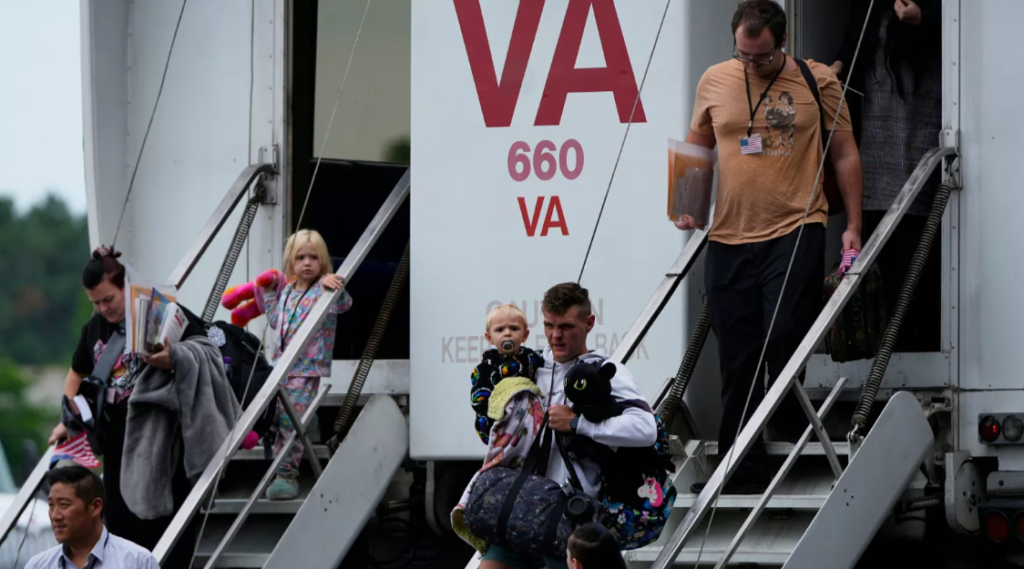
The first group of Afrikaners arrived at Washington Dulles International Airport on May 12, 2025, where they were greeted by senior U.S. officials including the Deputy Secretary of State and the Deputy Secretary of Homeland Security. The warm official reception stood in contrast to the experience of refugees from Sudan, Myanmar, Afghanistan, and dozens of other countries who remain stranded in the application queue with little prospect of admission this fiscal year.
Why it matters: This is not just an immigration story, it is a story about how the United States defines who deserves protection and why. The refugee program was built after World War II precisely to prevent the world from repeating the mistake of turning away people in genuine danger based on who they are. Whether Afrikaners face genuine persecution is a factual dispute that experts actively contest. But the broader shift, from a program designed for the world’s most vulnerable to one that prioritizes a single white ethnic group while the refugee cap sits at record lows, is a change that will define the character of U.S. immigration policy for years to come.
Do you think the US should offer refugee status based on race, or should all refugees be judged by the same standard regardless of their background?