
What Happened
Two powerful earthquakes struck Venezuela in quick succession on June 25, leaving widespread destruction across the country and a death toll that has continued climbing since. According to information available at the time of publication, Al Jazeera reported that rescue workers were still pulling survivors from rubble two days after the quakes hit, including an 11-year-old boy named Moises Calzadilla, found alive in the wreckage on June 27.
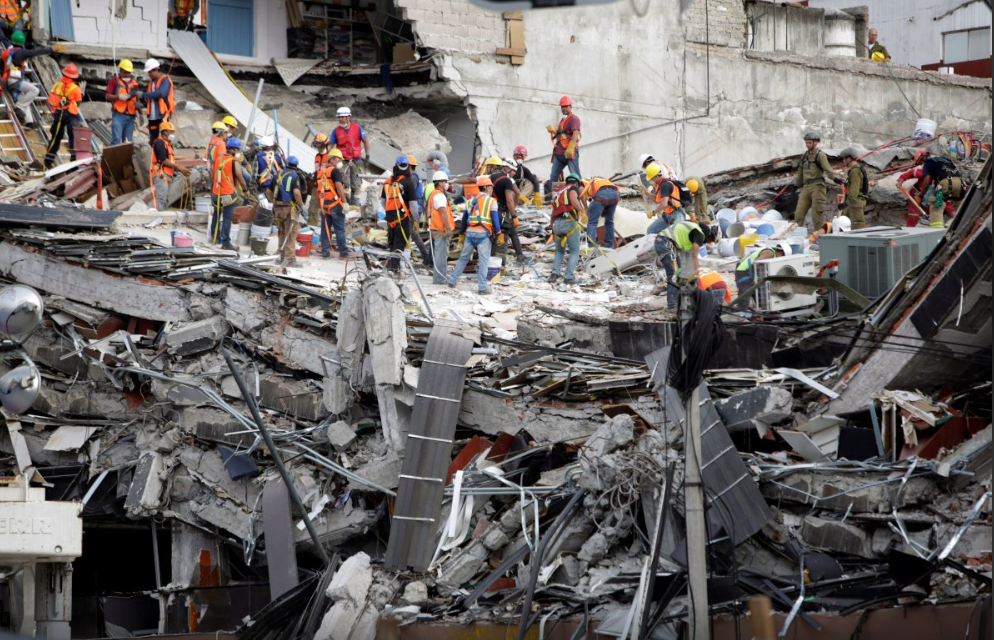
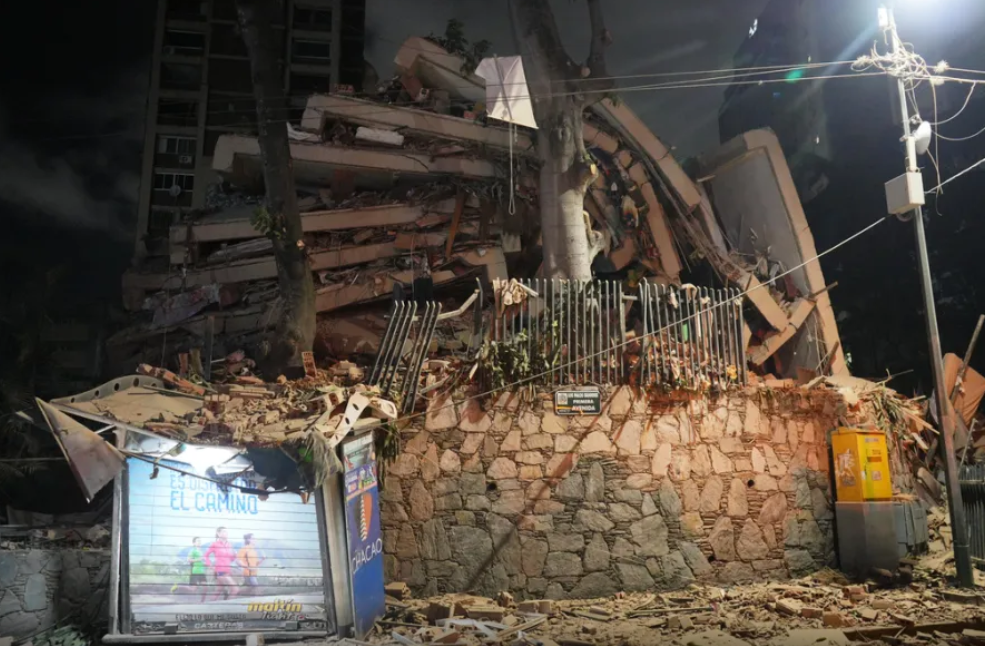
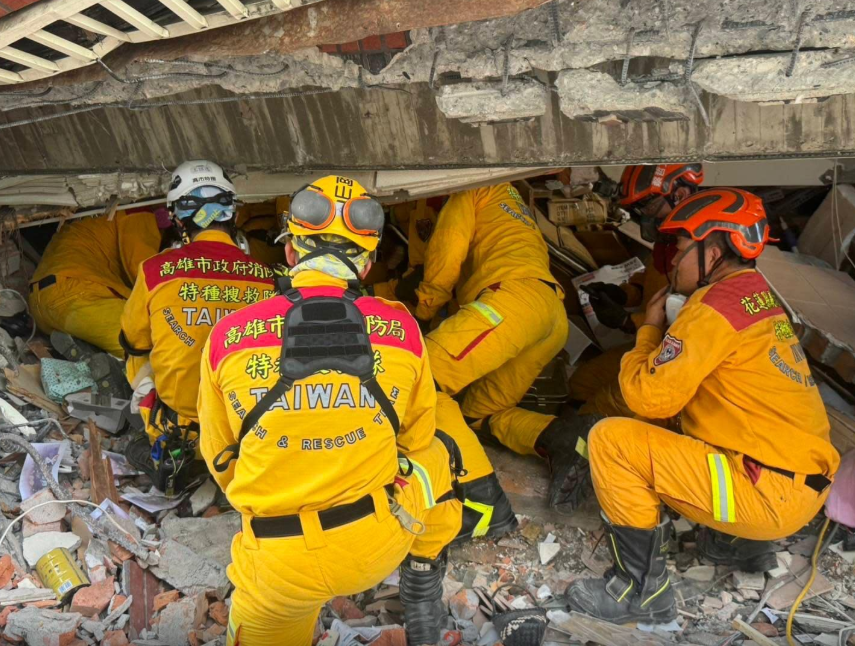
Democracy Now! reported that the confirmed death toll had reached at least 589 as of Thursday, with thousands more reported missing and the number expected to rise. By Saturday, separate broadcast reporting put the death toll at nearly 1,000, though officials have not independently confirmed a single, final figure, and the count continues to shift as search operations in hard-hit areas like La Guaira and Caracas progress.
International rescue teams from Mexico, Brazil, Cuba, and the United States have joined Venezuelan emergency crews in the search effort, according to Democracy Now!. Images from the disaster zone show collapsed apartment buildings in the Los Palos Grandes neighborhood of Caracas and entire blocks reduced to rubble in La Guaira state, where volunteers have been seen lifting metal debris by hand in the search for survivors.
Background
Venezuela is not a country accustomed to major seismic activity on this scale, which is part of why the damage has been so extensive. The country was already in a fragile political and economic state before the earthquakes struck, a point emphasized by NPR’s coverage of the disaster. Years of economic instability, reduced government capacity, and US sanctions have left Venezuela with limited domestic resources to respond to large-scale emergencies on its own.
That fragility matters directly to the rescue effort. Democracy Now! reported that international rescue teams said existing US sanctions on Venezuela have created practical obstacles for relief operations, complicating efforts to move equipment, personnel, and aid into the country quickly at the exact moment speed matters most for finding survivors trapped under rubble.
Why It Matters
Earthquake survival rates drop sharply after the first 72 hours, which is why the timeline here is critical. With the quakes hitting on June 25, search teams are now well past that initial window in some of the hardest-hit zones, meaning every hour reduces the odds of finding additional survivors alive. The scale of displacement (families pulling identification cards and photographs from rubble of relatives still missing in Catia La Mar, as documented by Al Jazeera) signals a humanitarian crisis that will likely extend well beyond the immediate rescue phase into a longer reconstruction and housing emergency.
Expert Analysis
Political impact: A disaster of this scale puts immediate pressure on Venezuela’s government to coordinate effectively with foreign rescue teams, a test of state capacity at a moment when the government is already operating under significant strain. How Caracas manages this response, and whether it accepts or limits international assistance, will likely shape its diplomatic standing in the region for months.
Economic impact: Venezuela’s economy was already under pressure before the earthquakes. Rebuilding collapsed infrastructure, particularly housing in dense urban areas like Caracas and La Guaira, will require resources the government may struggle to mobilize without significant external aid, a complicated proposition given the sanctions environment described by rescue officials.
Humanitarian impact: With thousands reported missing and a death toll still rising, the immediate humanitarian need centers on emergency shelter, medical care for the injured, and continued search operations. Analysts following the region suggest the long-term housing crisis created by destroyed apartment buildings may prove just as significant as the initial death toll.
What’s Next
Search and rescue operations are expected to continue in the coming days, though the window for finding additional survivors is narrowing. International attention will likely focus on whether sanctions-related restrictions are eased, even temporarily, to allow faster delivery of rescue equipment and humanitarian aid. The final death toll, displacement numbers, and reconstruction cost estimates are all expected to become clearer over the coming week as access to the hardest-hit areas improves.
FAQ
How many people died in the Venezuela earthquakes?
As of the most recent reporting, the confirmed death toll has been reported at 589 by Democracy Now! on June 26, with separate broadcast reports citing figures approaching 1,000 by June 27. Officials have not released a single final confirmed number, and the count is expected to change as search operations continue.
When did the earthquakes happen?
The twin earthquakes struck Venezuela on June 25, 2026.
Which countries are helping with the rescue effort?
According to Democracy Now!, rescue teams from Mexico, Brazil, Cuba, and the United States have joined Venezuelan crews in search and rescue operations.
Are US sanctions affecting the rescue response?
Reporting from Democracy Now! indicates that existing US sanctions on Venezuela have created logistical obstacles for international rescue efforts, though the scope of that impact has not been independently quantified.
Where was the damage worst?
The hardest-hit areas reported so far include Caracas, particularly the Los Palos Grandes neighborhood, and La Guaira state, including the Catia La Mar area.
Sources and references: Al Jazeera, Democracy Now!, NPR