
Scientists discover white hydrogen flowing naturally from billion-year-old rocks deep beneath Ontario, Canada, in a finding that could change how the world thinks about clean energy.
Deep inside the Kidd Creek gold mine near Timmins, Ontario, hydrogen gas seeps steadily from the walls of ancient rock. It has likely been doing so for millions of years. Geochemists from the University of Toronto and the University of Ottawa have now measured, mapped and tracked that flow for the first time, publishing their findings on May 18, 2026 in the Proceedings of the National Academy of Sciences.
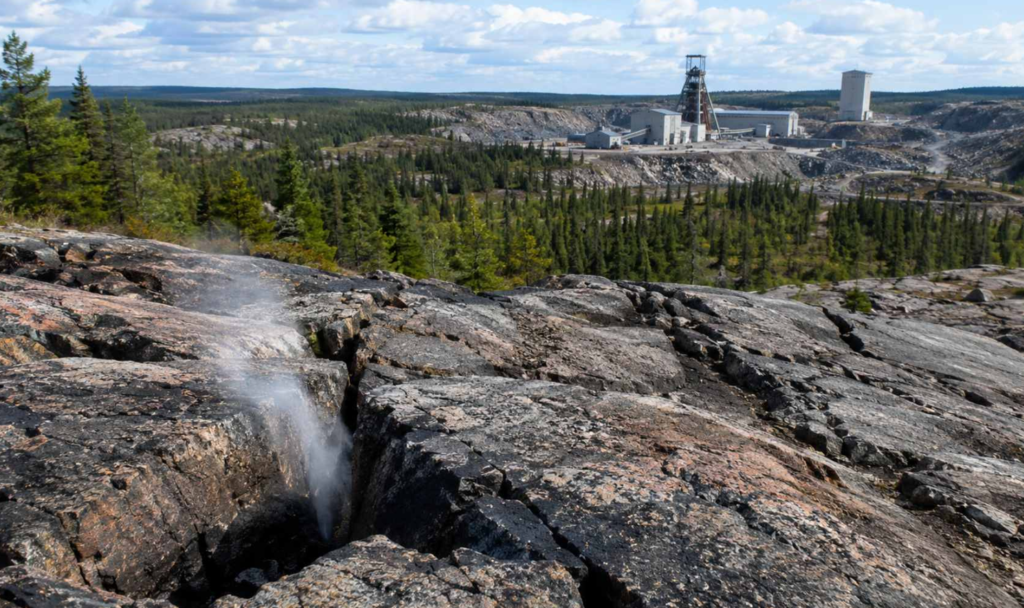
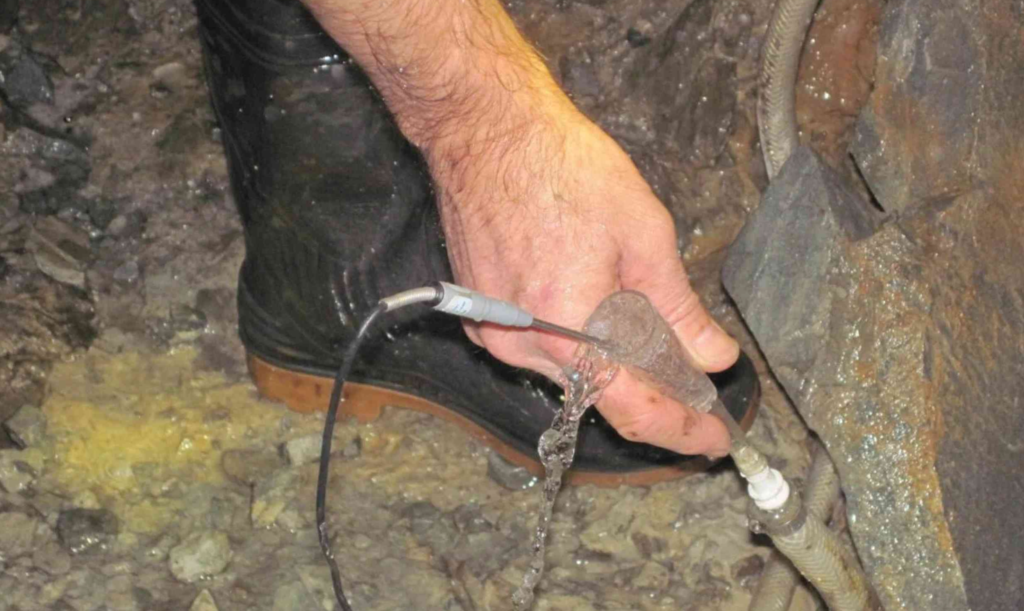
The numbers are striking. The mine’s 15,000 boreholes discharge a combined 140 tonnes of natural hydrogen per year, generating an estimated 4.7 million kilowatt-hours of energy annually — enough to cover the yearly energy needs of more than 400 households, from a single location, with no fuel burned and no carbon released.
What makes the discovery especially significant is its consistency. Unlike solar or wind energy, which depend on weather and time of day, the hydrogen flow from these ancient rocks does not stop. Individual boreholes have been producing steady gas output for up to 11 years of continuous measurement, suggesting the resource is both reliable and long-lasting. The gas forms through a natural process called serpentinization, in which water slowly reacts with the iron and magnesium-rich minerals locked inside the billion-year-old rocks of the Canadian Shield, one of the oldest geological formations on Earth.
This type of hydrogen, known as white hydrogen, is fundamentally different from the hydrogen used in industry today. Grey hydrogen, which powers most of the world’s fertilizer, steel and chemical production, is made by processing fossil fuels and releases large amounts of CO2. Green hydrogen is produced using renewable electricity to split water, but remains expensive. White hydrogen forms on its own, underground, requiring no industrial process and no carbon input whatsoever.
Lead researcher Professor Barbara Sherwood Lollar of the University of Toronto said: “Canada is blessed that vast amounts of its territories, especially on the Canadian Shield, contain the right rocks and minerals to create this natural hydrogen. There is a global race to increase hydrogen availability in order to decarbonize and reduce the costs of the existing hydrogen economy. We now have a better understanding of the economic viability of this resource that can be mapped to hydrogen deposits around the world.”
The global hydrogen market is currently worth approximately $135 billion per year, tied directly to food production, steel manufacturing and clean energy. Researchers say the Canadian Shield’s geology extends across enormous areas of the country, suggesting that what has been found in Timmins could be replicated at dozens or hundreds of other sites. A new underground race to map and claim these natural deposits has already begun.