
Quick Summary
A Saudi Aramco helicopter crashed while approaching the Ras Tanura terminal in eastern Saudi Arabia on Sunday, June 28, killing all 14 people on board, all of them Saudi nationals. The crash happened just two days after Aramco resumed crude oil loading operations at the terminal, which had been shut down for nearly four months because of the broader US-Israeli war on Iran. An investigation into the cause is underway, and funerals for the victims were held Monday in Saudi Arabia’s Eastern Province.
What Happened
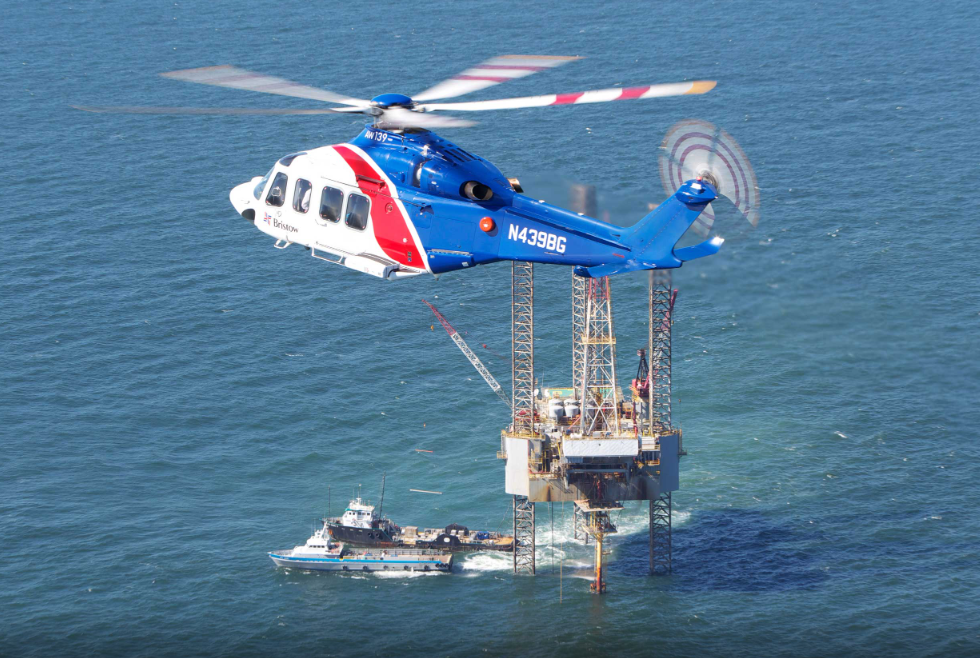
The helicopter, a Leonardo AW139 operated by Aloula Aviation, a subsidiary of Saudi Aramco dedicated specifically to the company’s aviation operations, was on an offshore flight approaching Ras Tanura Airport when it went down. Flight tracking data showed the aircraft descending at a high rate of speed before disappearing from radar just short of the airfield. The crash occurred around 6 a.m. local time.
Saudi Arabia’s Ministry of Energy confirmed all 14 people aboard were killed, all Saudi citizens, though it has not been independently confirmed how many were crew members versus passengers. The kingdom’s Energy Minister, Prince Abdulaziz bin Salman, joined the Eastern Province’s governor in performing funeral prayers Monday for several of the victims, underscoring the scale of the loss within the country’s energy sector workforce.
Background
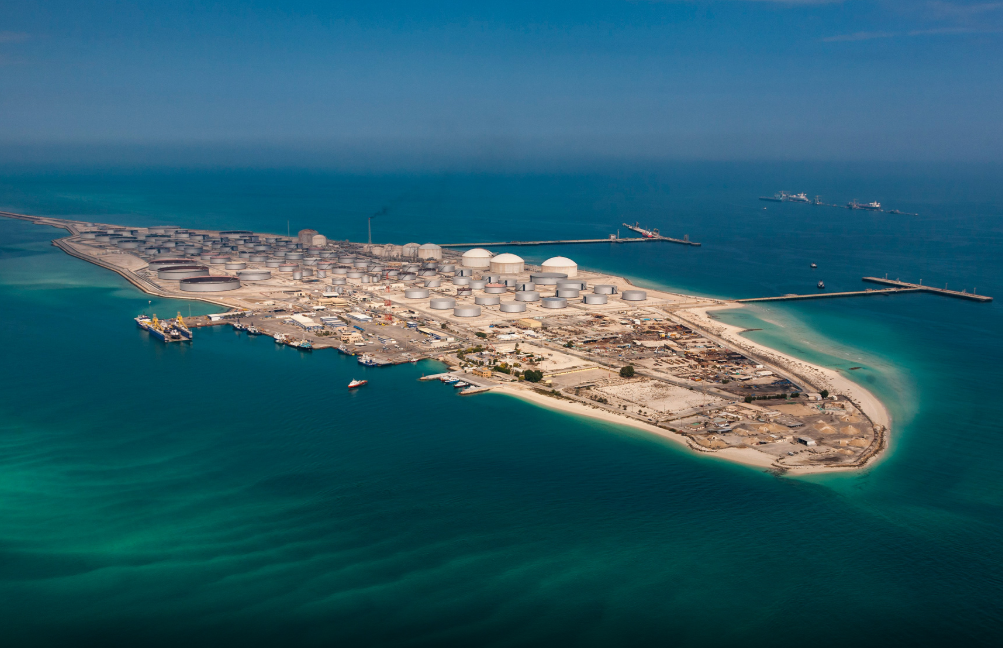
Ras Tanura is one of the largest crude oil export terminals in the world and a critical node in Saudi Arabia’s energy infrastructure, handling a significant share of the country’s seaborne oil exports through the Persian Gulf. The terminal had been forced offline for nearly four months following the eruption of the broader US-Israeli war against Iran earlier this year, a conflict that disrupted shipping and energy operations across the Gulf region. Aramco only resumed crude loading at Ras Tanura on Friday, just two days before the crash, marking what was meant to be a return to normal operations after months of regional instability.
The AW139 helicopter involved in the crash is a twin-engine aircraft widely used across the global oil and gas industry for offshore transport, ferrying workers and equipment between onshore facilities and offshore platforms where larger aircraft cannot easily operate. Aloula Aviation, the Aramco subsidiary that operated the flight, exists specifically to manage this kind of specialized aviation work for the company’s vast network of coastal and offshore facilities.
Why It Matters
The timing of the crash, arriving just days after Ras Tanura’s reopening, adds a layer of scrutiny to an already difficult moment for Saudi Arabia’s energy sector. As the country worked to restore normal export operations following months of war-related disruption, the loss of an entire helicopter crew and passengers raises immediate questions about whether the resumption of full operational tempo at the terminal played any role in the conditions leading to the crash, even as investigators have not yet pointed to any specific cause.
Beyond the immediate human tragedy, the crash also draws attention to the broader risks embedded in offshore energy operations, where helicopter transport remains one of the more statistically dangerous aspects of the industry worldwide, given the combination of variable weather, complex approach patterns near coastal terminals, and the sheer volume of flights required to keep offshore platforms staffed and supplied.
Expert Analysis
Economic impact: Ras Tanura’s operational status is closely watched by global energy markets given Saudi Arabia’s role as one of the world’s largest oil exporters. While a single aviation accident is unlikely to disrupt the terminal’s broader crude loading operations, the timing so soon after the facility’s reopening adds a layer of reputational sensitivity at a moment when Aramco is working to reassure markets that Gulf energy infrastructure has stabilized after months of war-related uncertainty.
Safety and regulatory impact: Saudi Arabia’s Ministry of Energy has launched a formal investigation, a standard response to an aviation accident involving a state-linked energy company’s personnel. Findings from that investigation could lead to revised safety protocols for AW139 operations or offshore helicopter transport more broadly within Aramco’s aviation fleet.
Human impact: The crash represents a significant loss of life concentrated entirely among Saudi nationals working within the kingdom’s energy sector, a workforce central to the country’s economic identity. The funerals held Monday, attended by senior regional and energy officials, reflect the weight the loss carries within Saudi Arabia’s Eastern Province community.
Statistics & Context
All 14 people aboard the helicopter were killed, with the aircraft going down just two days after Ras Tanura resumed crude oil loading following a shutdown of nearly four months tied to the regional war involving the United States, Israel, and Iran.
What’s Next
Saudi Arabia’s Ministry of Energy investigation into the crash’s cause is ongoing, though no timeline for its conclusion has been confirmed. Aviation investigators will likely examine flight data showing the helicopter’s high rate of descent before it disappeared from radar, along with weather conditions and maintenance records for the aircraft. How the findings shape future safety protocols at Ras Tanura and across Aramco’s broader helicopter fleet will be worth watching in the weeks ahead, particularly as the terminal continues working to restore full operational capacity after months of disruption.
FAQ
How many people died in the Saudi Aramco helicopter crash?
All 14 people on board were killed, all of them Saudi nationals.
Where did the crash happen?
The helicopter crashed while approaching Ras Tanura Airport in Saudi Arabia’s Eastern Province, near one of the country’s largest crude oil export terminals.
What caused the crash?
The cause has not been determined. Saudi Arabia’s Ministry of Energy has launched an investigation, and flight tracking data showed the helicopter descending at a high rate of speed before disappearing from radar.
What is Ras Tanura, and why does it matter?
Ras Tanura is one of the world’s largest crude oil export terminals, operated by Saudi Aramco. It had been shut down for nearly four months due to the broader US-Israeli war on Iran before reopening just two days before the crash.
What kind of helicopter was involved?
The aircraft was a Leonardo AW139, a twin-engine helicopter widely used across the oil and gas industry for offshore transport, operated by Aloula Aviation, an Aramco subsidiary.
Editorial Note: This article was prepared using publicly available information from international news organizations and official sources available at the time of publication. Facts may be updated as authorities release new information.
Sources: