
Quick Summary
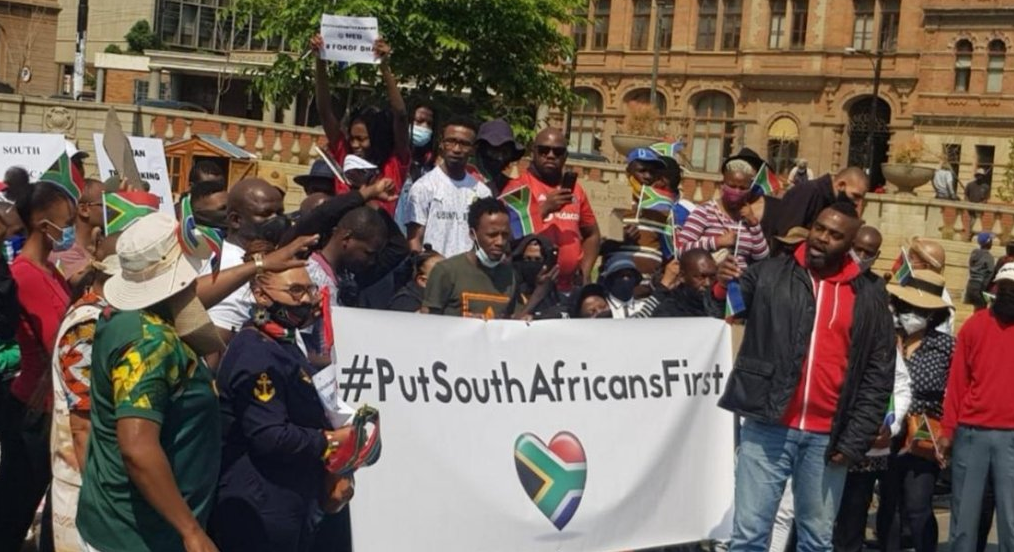
South Africa has experienced repeated waves of violence against foreign nationals since its transition to democracy in 1994, culminating most recently in the anti-immigrant protests that swept the country this week. Understanding why this pattern keeps recurring requires looking past the immediate political moment to the deeper economic and historical forces researchers say drive it. This explainer breaks down the roots of South African xenophobia, using this week’s unrest as the current example.
What It Is
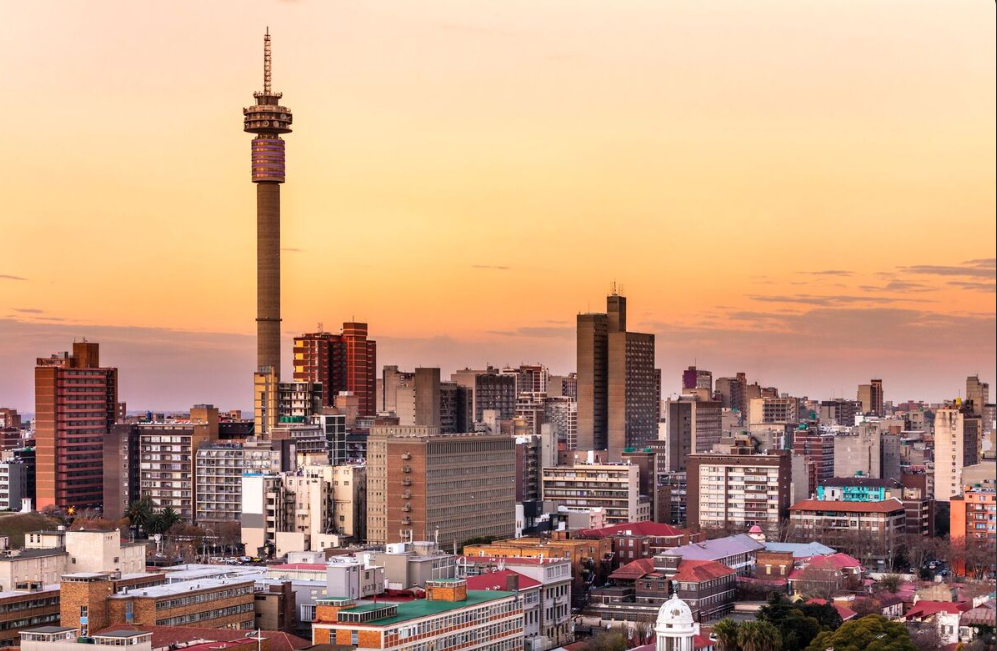
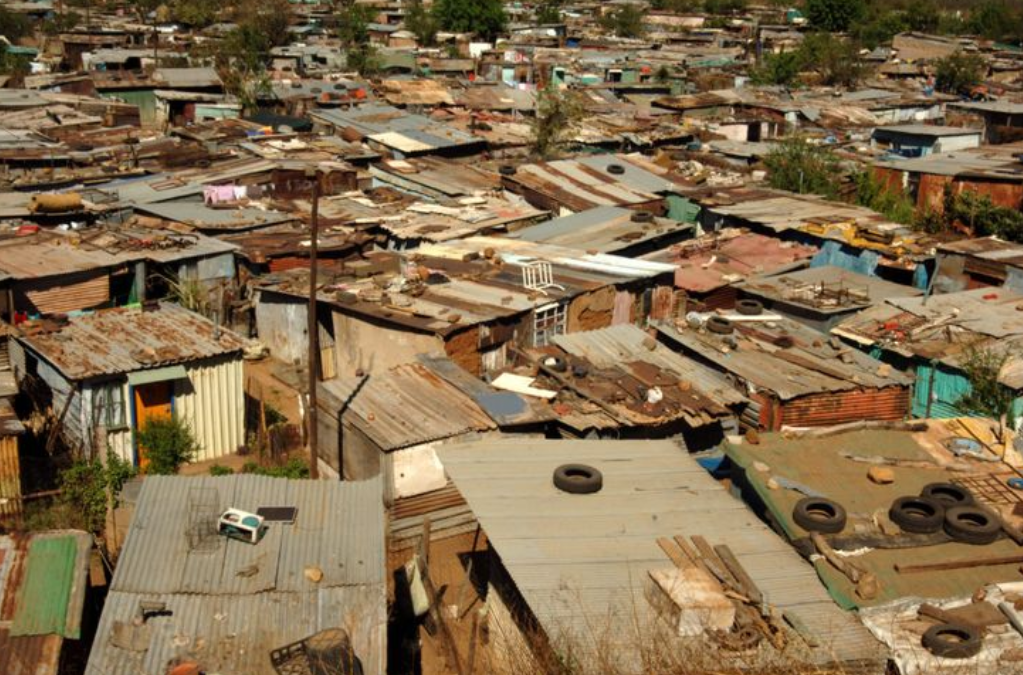
Xenophobia in South Africa refers to hostility, discrimination, and periodic mass violence directed at foreign nationals living in the country, most often migrants from other African nations such as Zimbabwe, Mozambique, Malawi, and Somalia. Unlike xenophobic movements in some other parts of the world, South African xenophobia is frequently described by researchers as a form of Africans targeting other Africans, driven less by racial or cultural difference than by competition over scarce economic resources.
Background: A History Longer Than 2008
Most international coverage of South African xenophobia traces back to 2008, when a wave of anti-immigrant violence in Johannesburg’s Alexandra township spread nationwide, killing 62 people and displacing more than 100,000 over roughly two weeks. But researchers who study the phenomenon note that anti-migrant sentiment predates that outbreak significantly, with documented hostility toward foreign workers emerging in the early 1990s as the country’s new government began shaping post-apartheid economic policy.
The roots run deeper still. South Africa’s mining and agricultural sectors have depended on migrant labor since the 1840s, when contract workers were drawn from Malawi, Mozambique, Lesotho, and Zambia to work sugar cane fields, and later diamond and gold mines. Under apartheid, that migrant labor system became a tool of control, used to secure cheap labor for the country’s white-controlled economy while denying migrant workers permanent status or rights. Sociologist Michael Neocosmos has argued that this history left a lasting imprint: because the end of apartheid was equated with dismantling that migrant labor system, some post-apartheid political currents came to associate any defense of migrant rights with a defense of the old order.
Why It Matters
Academic research consistently points to economic desperation, not cultural or racial hatred, as the primary driver of South African xenophobic violence. Surveys cited in a 2004 study by researchers Crush and Pendleton found that South Africans broadly perceive foreign nationals as causing direct economic harm, taking jobs, straining public services, and depressing wages, a perception that persists even though economists and social scientists have repeatedly found little evidence to support it.
That perception becomes especially volatile in a country still defined by extreme inequality three decades after apartheid formally ended. Unemployment above 30 percent, chronic failures in basic service delivery such as water, electricity, and sanitation, and a lack of visible economic progress for the majority of South Africans create what researchers describe as a moral economy of blame, in which frustration with government failure gets redirected toward the most visible and least politically protected group available: foreign nationals.
Expert Analysis
Economic impact: South Africa’s economy actually relies heavily on migrant labor, both to fill skills shortages and to supply lower-cost labor in agriculture and mining, according to researchers who study the country’s migration patterns. That dependency creates a persistent tension: the same migrant labor system many South Africans blame for economic hardship is also a structural component of the economy itself.
Political impact: Analysts, including labour researcher Dale McKinley, have described recent anti-migrant mobilizations as “politically weaponised” ahead of local elections, with politicians accused of amplifying anti-foreigner sentiment to win votes rather than addressing its underlying causes. Groups like Operation Dudula formally registering as a political party reflects how directly this dynamic has merged with electoral politics.
Social impact: Beyond economic grievances, researchers have documented additional social drivers, including unfounded allegations that foreign nationals spread disease or commit disproportionate crime, claims that studies have repeatedly failed to substantiate but that continue to circulate and shape public attitudes.
Structural impact: A 2026 systems-thinking analysis published in the journal Systems Research and Behavioral Science concluded that competition for scarce basic resources, worsened by government inefficiency rather than migration itself, is a key structural driver, meaning the underlying causes of xenophobic unrest are unlikely to resolve without addressing service delivery and inequality directly.
Statistics & Context
The 2008 riots, the historical benchmark for South African xenophobic violence, killed 62 people and displaced more than 100,000 people over two weeks. South Africa’s foreign national population is estimated at 2.4 to 3 million people, roughly 4 percent of the total population, a relatively small share by global migration standards. Despite periodic violence, the UNHCR has recorded tens of thousands of new asylum applications in South Africa annually in past years, reflecting the country’s continued draw as the wealthiest and most developed economy in the region.
What’s Next
Researchers who study South African xenophobia broadly agree that the underlying economic and governance conditions driving these episodes have not meaningfully changed since 2008, which is why the pattern keeps recurring roughly every few years under different organizational names and leadership. Whether South Africa’s government can address the structural drivers, unemployment, service delivery failures, and deep inequality, before the next flashpoint emerges remains, according to the researchers who study this cycle, the central unresolved question.
FAQ
Is South African xenophobia about race?
Not primarily. Researchers widely describe it as a form of Africans targeting other Africans, driven mainly by economic competition and scapegoating rather than racial difference.
Why do South Africans blame foreign nationals for unemployment?
Studies have found this perception is widespread but not well supported by economic evidence. Researchers describe it as a form of scapegoating that intensifies during periods of economic frustration and government service failures.
How does this compare to the 2008 riots?
The 2008 violence, which killed 62 people and displaced over 100,000, remains the most severe outbreak on record and the benchmark used to measure subsequent unrest, including this week’s protests.
Does South Africa’s economy actually depend on migrant labor?
Yes. Researchers note the country’s mining and agricultural sectors have relied on migrant labor for over a century, and migrants continue to help fill skills shortages in the current economy.
Why does this keep happening every few years?
Analysts attribute the recurring pattern to unresolved structural issues, including high unemployment, inequality, and failures in public service delivery, conditions that have persisted largely unchanged since the end of apartheid in 1994.
Editorial Note: This article was prepared using publicly available information from international news organizations, academic research, and official sources available at the time of publication. Facts may be updated as authorities release new information.
Sources: