
Quick Summary
More than 900 people were arrested Tuesday as anti-immigrant protests swept across South Africa’s major cities, marking the largest wave of migration-related unrest since deadly xenophobic riots in 2008. The demonstrations followed an unofficial deadline set by anti-immigrant groups demanding all undocumented foreigners leave the country. While authorities say most marches remained peaceful, looting, evictions, and property destruction were reported in multiple cities, and thousands of foreign nationals fled or went into hiding in the days leading up to the protests.
What Happened
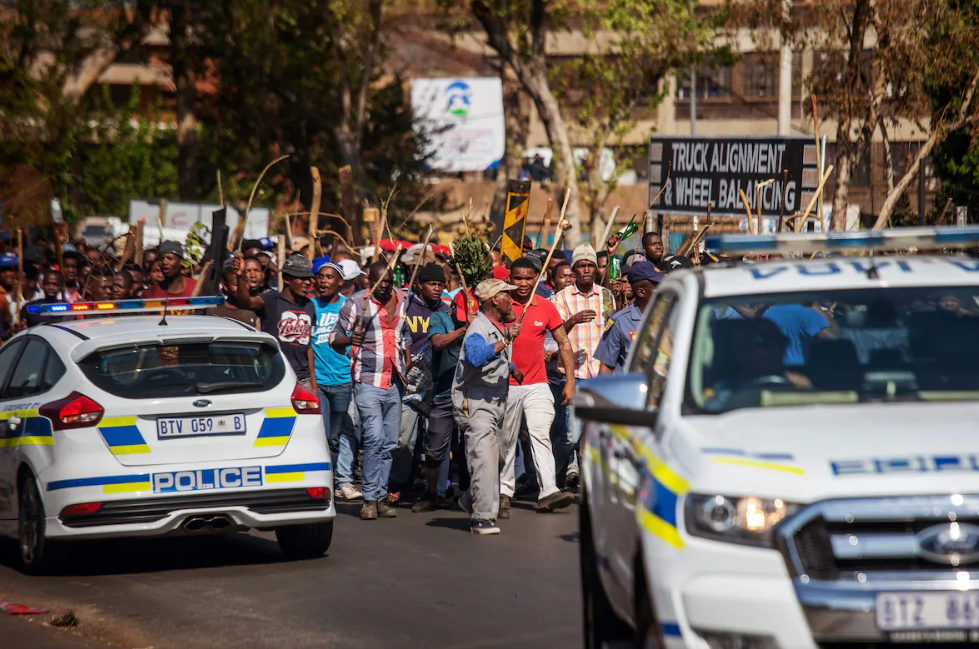
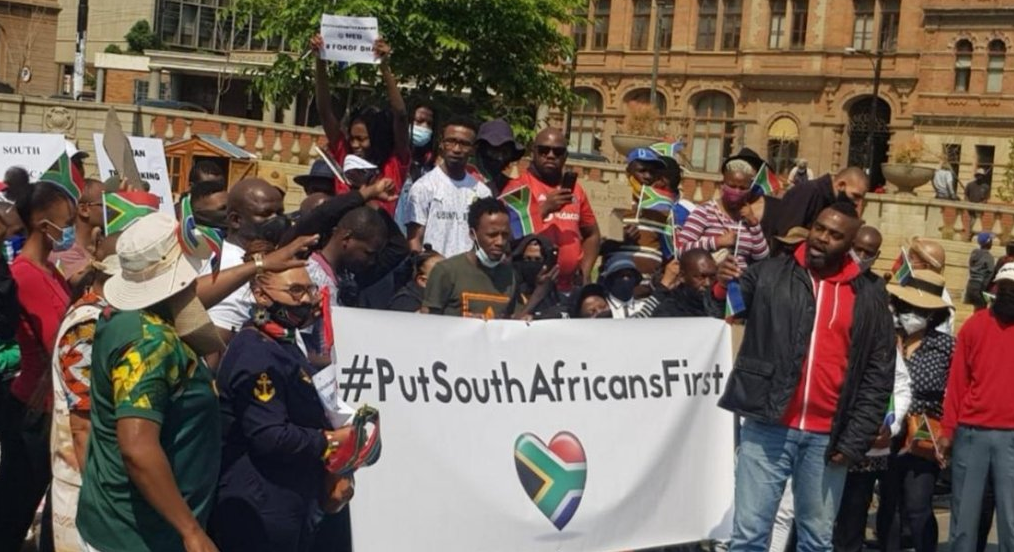
Thousands of protesters marched through Johannesburg, Pretoria, Durban, and Cape Town on Tuesday, June 30, the date a coalition of anti-immigrant organizations had unilaterally declared as a deadline for undocumented migrants to leave South Africa. The government explicitly rejected the deadline’s legitimacy, noting that private citizens have no legal authority to enforce immigration law. That rejection did little to calm the streets.
South African police said that of the roughly 120 marches monitored nationwide, the majority remained peaceful, though several descended into violence. In Soweto, protesters looted the homes of foreign nationals, according to national broadcaster SABC. In Pietermaritzburg, near Durban, police fired rubber bullets to disperse crowds. Deputy National Police Commissioner Tebello Mosikili confirmed that more than 900 people were arrested during Tuesday’s demonstrations alone.
The human toll extended well beyond the arrests. In the days before the deadline, thousands of foreign nationals, many of them Malawian and Zimbabwean, gathered outside government offices in Durban, Cape Town, and Johannesburg seeking help to leave the country. Roughly 100 Congolese nationals were reported sleeping on the streets of Durban. Landlords in Durban and Johannesburg were also accused of illegally evicting foreign tenants to avoid becoming targets themselves.
Background
Xenophobic violence against foreign nationals has recurred sporadically in South Africa since a wave of attacks in 2008 killed 62 people over roughly two weeks and displaced more than 100,000 residents, an event that remains the benchmark against which every subsequent flare-up is measured. Tuesday’s protests trace back to a movement that began building in March 2026, led primarily by two organizations: March and March, founded by Jacinta Ngobese-Zuma, and Operation Dudula, a longer-running anti-immigration group that has since registered as a political party ahead of November’s municipal elections.
The unrest escalated significantly in the months before Tuesday’s deadline. By mid-May, at least seven people had reportedly been killed since the protests began. Violence in the coastal town of Mossel Bay in late May left dozens of shacks burned, some while people were still inside, and Mozambique’s government confirmed five of its citizens died in those attacks. Human Rights Watch documented vigilante attacks in which shop owners were beaten with golf clubs and sjamboks, traditional South African whips, with what the organization described as little response from police.
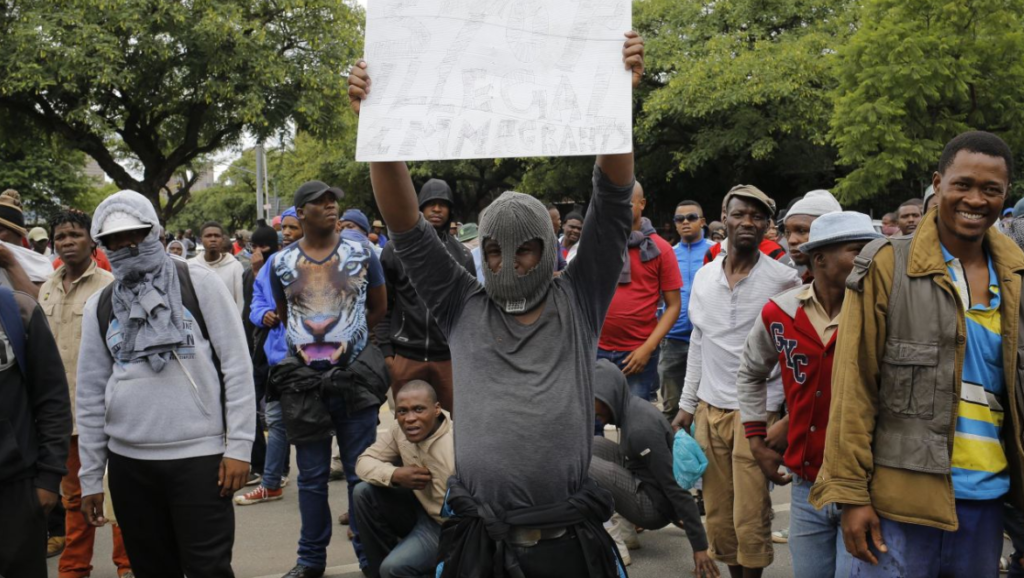
South Africa is home to an estimated 2.4 to 3 million documented and undocumented immigrants, roughly 4 percent of the country’s total population, according to Statistics South Africa. That is a comparatively low share by global standards, even as unemployment above 30 percent and strained public services have fueled the narrative that foreign nationals are responsible for the country’s economic struggles, a claim researchers say lacks supporting evidence.
Why It Matters
The scale of Tuesday’s mobilization, more than 900 arrests across roughly 120 separate marches, signals that anti-immigrant sentiment in South Africa has moved well beyond isolated incidents into an organized, sustained political movement. March and March’s leader has already announced the group will continue marching weekly until the government meets its demands, meaning Tuesday’s deadline was not an endpoint but the start of an extended campaign.
The unrest also carries diplomatic weight. Uganda announced over the weekend an evacuation plan for nearly 750 of its citizens, and several other African governments have taken steps to help nationals return home, a level of coordinated repatriation that analysts say has no real precedent in the country’s post-apartheid history. That response reflects how seriously neighboring governments are treating the risk to their citizens inside South Africa.
Expert Analysis
Political impact: Labour analyst Dale McKinley told AFP that the anti-migrant push has been “politically weaponised” ahead of South Africa’s municipal elections in November, arguing the underlying issue is one of governance and mismanagement rather than immigration itself. Operation Dudula’s decision to formally register as a political party underscores how directly this movement is now intersecting with electoral politics.
Human rights impact: Amnesty International South Africa has argued that migrants are being scapegoated for the government’s failure to manage public resources and services, pointing to South Africa’s broader immigration system as the actual source of the “limbo” many undocumented people find themselves in, rather than the migrants themselves being the root cause of the country’s economic pressures.
Security impact: Police officials have acknowledged the heightened risk posed by armed demonstrators, since many marchers carried weapons such as sjamboks, sticks, and spears, even though police are not authorized to use lethal force to prevent property destruction alone. That legal constraint has drawn criticism from those who argue enforcement has been too slow to prevent escalating violence in recent months.
Regional diplomatic impact: The coordinated repatriation efforts by Uganda and other governments suggest the unrest is beginning to strain South Africa’s relationships with fellow African nations, a notable shift for a country that has historically positioned itself as a continental leader on human rights since the end of apartheid.
Statistics & Context
More than 900 people were arrested during Tuesday’s protests across roughly 120 marches nationwide. At least seven deaths had been reported in connection with the broader protest movement by mid-May, with five additional deaths confirmed by Mozambique following violence in Mossel Bay in late May. South Africa’s foreign national population stands at an estimated 2.4 to 3 million people, about 4 percent of the total population, according to Statistics South Africa. The 2008 xenophobic riots, the historical benchmark for this kind of unrest, killed 62 people and displaced more than 100,000.
What’s Next
March and March has announced it will continue holding weekly demonstrations until the government responds to its demands for stronger immigration enforcement, meaning further protests are expected in the coming weeks. President Cyril Ramaphosa’s government has already announced a package of immigration enforcement measures while condemning vigilante violence, though it remains unclear whether those measures will be enough to satisfy protest organizers or reduce the risk of further unrest ahead of November’s municipal elections.
FAQ
How many people were arrested during the South Africa protests?
More than 900 people were arrested nationwide during Tuesday’s demonstrations, according to South African police.
What was the “deadline” that triggered these protests?
Anti-immigrant organizations, primarily the March and March movement, set an unofficial June 30 deadline demanding that all undocumented foreign nationals leave South Africa. The government stated the deadline had no legal standing.
How does this compare to South Africa’s 2008 xenophobic riots?
Officials and analysts describe Tuesday’s unrest as the largest migration-related mobilization since 2008, when riots killed 62 people and displaced more than 100,000 residents over roughly two weeks.
Are these protests going to continue?
Yes. March and March’s leadership has stated the group plans to hold weekly marches until the government meets its demands for stronger border enforcement.
How many immigrants live in South Africa?
Statistics South Africa estimates the country’s foreign national population at 2.4 to 3 million people, both documented and undocumented, representing about 4 percent of the total population.
Editorial Note: This article was prepared using publicly available information from international news organizations and official sources available at the time of publication. Facts may be updated as authorities release new information.
Sources: