
Quick Summary
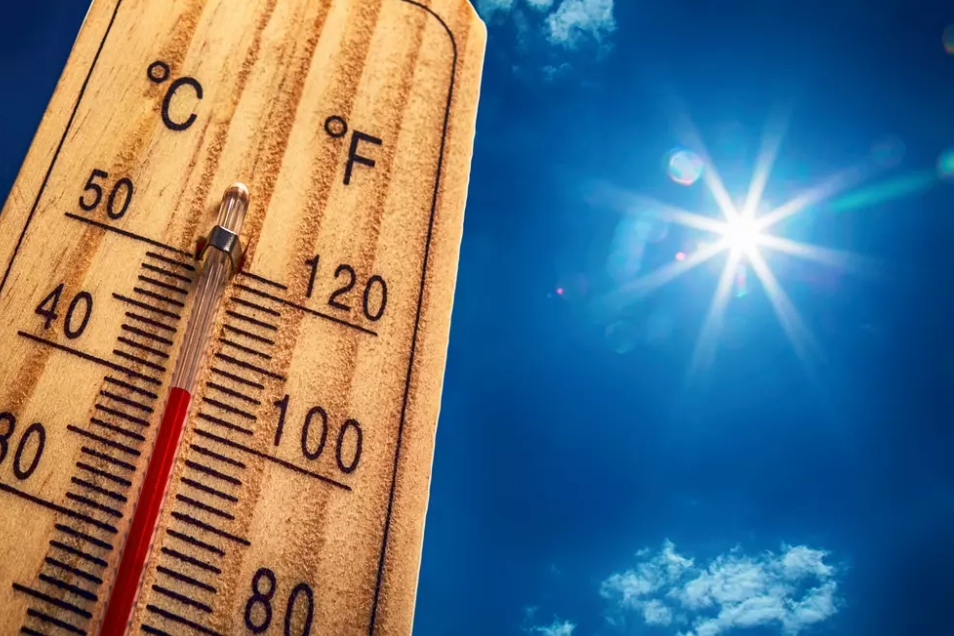
A massive heat dome trapped more than 185 million Americans under heat alerts as the country marked its 250th anniversary, forcing the cancellation of parades in Washington, Philadelphia, and dozens of smaller communities. New York’s Central Park hit 100 degrees for the first time since 2012, Washington broke a temperature record that had stood for more than 120 years, and at least one heat-related death has been confirmed in Pennsylvania. Organizers scrambled to shorten routes, move events indoors, and open cooling centers as the country’s semiquincentennial collided with what forecasters call a historic heat event.
What Happened
More than 300 daily temperature records were expected to fall by Saturday as the heat wave peaked across the East Coast. Washington, DC braced for a high of 102 degrees on July 4, which would surpass the city’s previous record for the date of 100 degrees, set in 1919. Philadelphia hit 103 degrees on Thursday, tying a mark last set in 1901, while Boston reached 100 degrees for the 29th time in its recorded history.
The human toll arrived early. A 68-year-old man in Bethel Township, Pennsylvania, died of a heart attack brought on by heat exhaustion while trimming bushes on July 2, according to the Berks County Coroner’s Office. The CDC reported extremely high rates of heat-related illness across the Northeast. New York City Mayor Zohran Mamdani, describing the conditions as “extremely dangerous,” deployed medical vans staffed with nurses and paramedics to hand out water and check on residents, while more than 2,200 LinkNYC kiosks displayed directions to the nearest cooling center.
Background
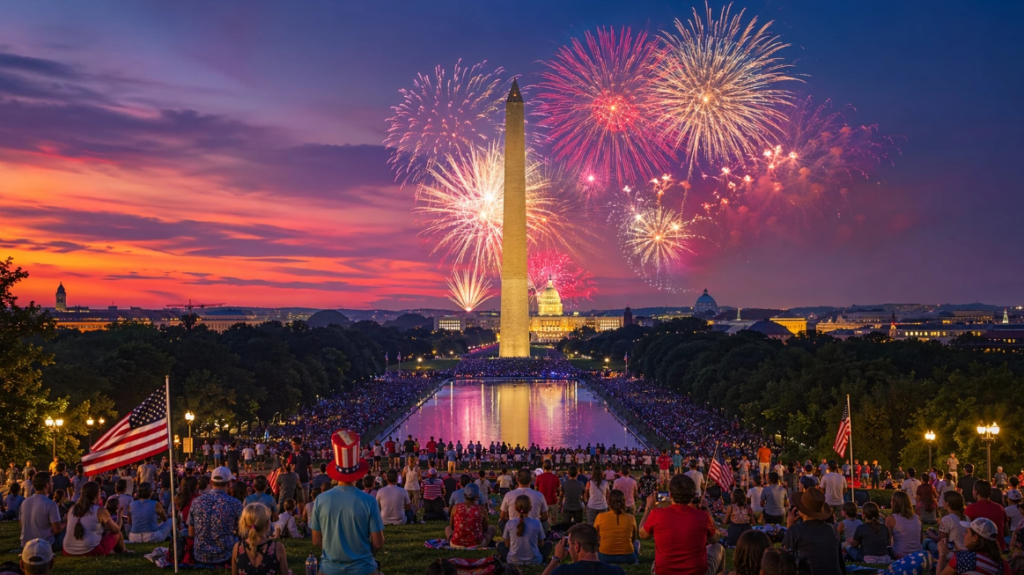
The heat coincided almost exactly with the moment organizers had spent years preparing for: a nationwide celebration of 250 years since the Declaration of Independence, featuring parades, fireworks, concerts, and a massive naval procession in New York Harbor. Instead, cities were forced into rapid, public safety-driven improvisation. Washington, DC canceled its Independence Day parade outright. Philadelphia shortened its Salute to Independence parade route, canceled an afternoon block party, and moved a scheduled papal video address indoors. Boston pushed its Pops Fireworks Spectacular entrance time back four hours, from noon to 4 p.m.
Smaller communities faced similar decisions. Norristown and Haddon Township in the Philadelphia suburbs both canceled their parades entirely, citing safety risks to residents, participants, and first responders, though evening fireworks in both towns proceeded as planned. Some communities as far west as Colorado canceled fireworks displays entirely, not because of heat but because of the elevated wildfire risk that has accompanied the same weather pattern.
Why It Matters
Beyond the disrupted celebrations, the heat wave strained critical infrastructure at a moment when demand was already elevated by holiday travel and gatherings. PJM Interconnection, the grid operator serving 65 million people from New Jersey to Illinois, projected Thursday would set an all-time record for summer electricity demand and secured emergency authorization from the Department of Energy allowing utilities to force large energy users, including data centers, off the grid before resorting to rolling blackouts. More than 200,000 customers, including roughly 19,000 served by Con Edison in the New York area, lost power Thursday evening.
Scientists who study extreme weather attribution have noted that the intensity of heat combined with humidity this week would have been “virtually impossible” without the influence of fossil fuel pollution, a scientific judgment that adds a layer of climate context to what officials are otherwise treating primarily as an immediate public safety emergency.
Expert Analysis
Public health impact: Heat remains the leading cause of weather-related death in the United States, and it disproportionately affects elderly residents, a population well represented at outdoor Independence Day events. Emergency medicine physicians have emphasized that altered mental status and confusion are the key warning signs separating heat stroke, a medical emergency, from milder heat exhaustion.
Infrastructure impact: The near-record electricity demand and resulting emergency grid measures illustrate how extreme heat events increasingly strain systems designed around historical rather than current climate patterns, a dynamic likely to recur as summer heat waves grow more frequent and intense.
Economic impact: Canceled parades, shortened events, and reduced attendance at ticketed festivities represent a direct economic cost to host cities and vendors who had planned around the 250th anniversary as a once-in-a-generation tourism and commercial opportunity.
Symbolic impact: Historical weather records show Philadelphia’s temperature on the day the Declaration of Independence was finalized in 1776 reached at least 76 degrees, according to a measurement Thomas Jefferson himself recorded. The 250th anniversary arriving with temperatures near 103 degrees offers an unusually direct point of comparison between the founding era’s climate and today’s.
Statistics & Context
More than 185 million Americans were under heat alerts at the peak of the event. At least 22 locations broke or tied daily temperature records on July 2, with 17 more falling the following day. New York’s Central Park reached 100 degrees for the first time since 2012. Washington’s expected July 4 high of 102 degrees would break a 1919 record for the date. More than 200,000 utility customers lost power amid the peak demand.
What’s Next
Forecasters expect the most intense heat to begin easing after the holiday weekend, though the National Weather Service cautioned that overnight temperatures remaining elevated would continue limiting relief even after daytime highs moderate. Cities that activated emergency cooling infrastructure, expanded medical response, and grid conservation measures are expected to maintain those resources through at least July 5 as the heat wave fully exits the region.
FAQ
How hot did it get on July 4, 2026?
Washington, DC expected a high of 102 degrees, which would break the city’s previous record of 100 degrees for that date, set in 1919. Philadelphia and Boston both saw temperatures reach or exceed 100 degrees in the days surrounding the holiday.
Were any Independence Day events actually canceled?
Yes. Washington, DC canceled its Independence Day parade entirely. Philadelphia shortened its parade route and canceled a block party. Several smaller communities, including Norristown, Pennsylvania, and Haddon Township, New Jersey, canceled their parades outright, though many kept evening fireworks on schedule.
Has anyone died from the heat?
At least one heat-related death has been confirmed: a 68-year-old man in Bethel Township, Pennsylvania, who died of a heart attack linked to heat exhaustion on July 2.
Why did the power grid come under strain?
PJM Interconnection, which serves 65 million people across the Mid-Atlantic and Midwest, projected record summer electricity demand and received emergency federal authorization to force large energy users off the grid to prevent broader blackouts.
Is this heat wave connected to climate change?
Climate scientists who study extreme weather attribution have said the combined intensity of heat and humidity this week would have been virtually impossible without the influence of fossil fuel pollution.
Editorial Note: This article was prepared using publicly available information from international news organizations and official sources available at the time of publication. Facts may be updated as authorities release new information.
Sources: