
What Happened
A framework agreement between Israel and Lebanon was signed this week, described by US officials as a first step toward a lasting peace arrangement. According to information available at the time of publication, Fox News reported that Secretary of State Marco Rubio and Israeli Prime Minister Benjamin Netanyahu both welcomed the deal as a foundational step, though analysts immediately cautioned that Iran would likely work to undermine it.
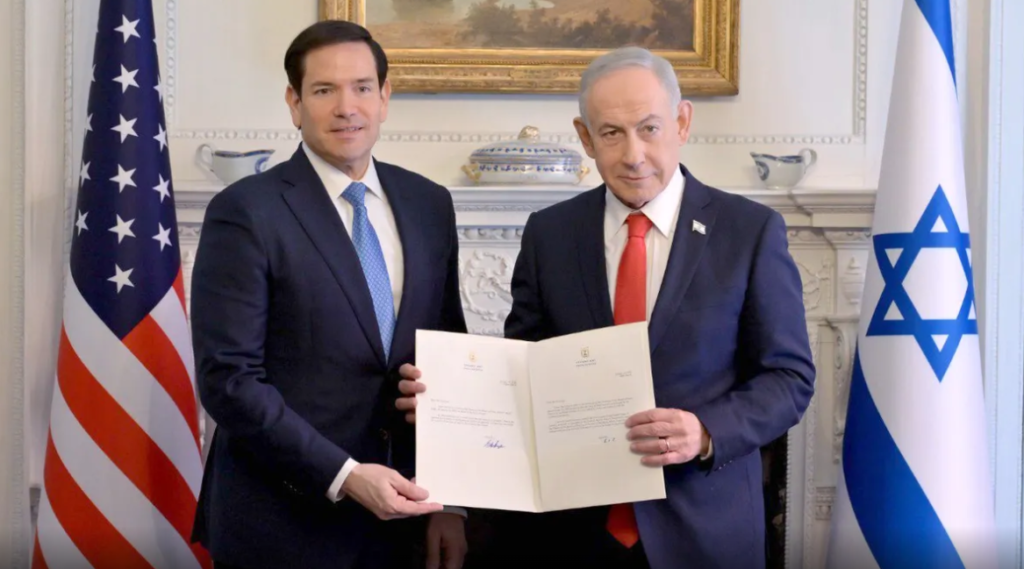
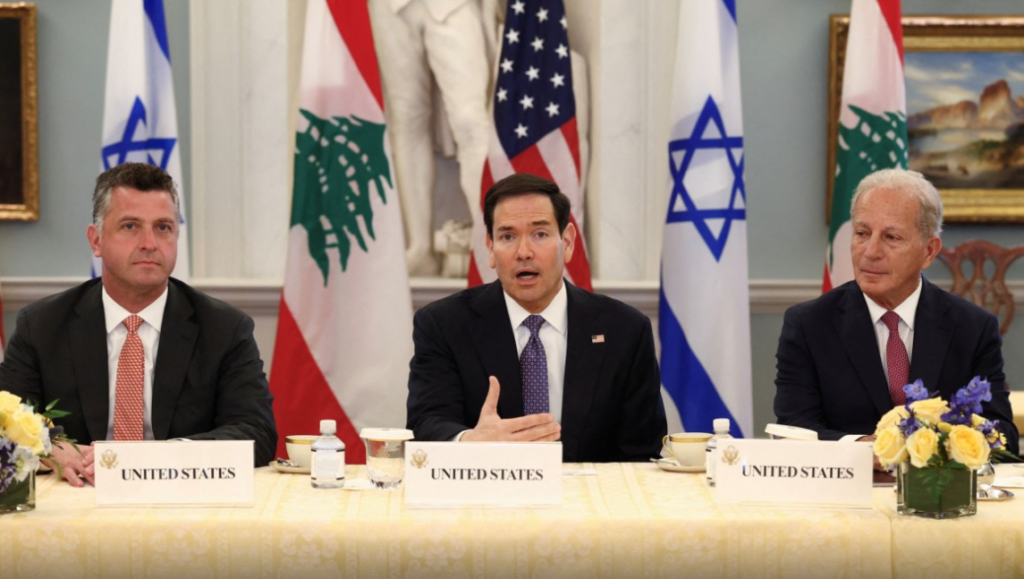
The agreement, however, appears to contradict an earlier deal. CBS News reported that the trilateral framework signed this week conflicts with the 14-point memorandum of understanding signed with Iran earlier in June, according to both Iran and Hezbollah. That earlier memorandum stipulated the war would end “on all fronts, including in Lebanon,” with the US and Iran agreeing to “ensure the territorial integrity and sovereignty of Lebanon.” Neither Israel nor Hezbollah was party to those original negotiations.
Israeli Defense Minister Israel Katz, in remarks reported by CBS News, made clear that Israeli forces have no plans to withdraw from southern Lebanon. “The Prime Minister and I have instructed the IDF to prepare for an extended stay in the security zone, and to deploy accordingly to protect IDF soldiers and remove threats from northern communities,” Katz said. Separately, Democracy Now! reported that Israeli airstrikes killed at least two people in Lebanon, with Netanyahu stating that the occupation “will continue indefinitely.”
Background
Lebanon has been caught in the middle of the broader US-Israel-Iran conflict since the war began in late February 2026. Hezbollah, the Iran-aligned militant group operating largely in southern Lebanon, has continued exchanging fire with Israeli forces despite multiple ceasefire frameworks being announced over the preceding months. The Lebanese government itself has limited control over Hezbollah’s military activity, leaving it largely a bystander to negotiations conducted between outside powers.
The United Nations had previously played a stabilizing role in the region through UNIFIL, its peacekeeping force in southern Lebanon. CBS News noted that, under US pressure, the UN Security Council decided last August to end UNIFIL’s mandate effective December 31, 2026, removing a long-standing buffer mechanism at a moment when ground tensions remain high.
Why It Matters
The contradiction between this week’s Israel-Lebanon framework and the earlier US-Iran memorandum is not a minor technical detail. It raises a direct question about whether any of the parties involved in this war are actually bound by the same set of commitments, or whether each side is negotiating separate, overlapping deals that conflict with one another. CBS News noted that it was “not immediately clear how the trilateral framework agreement was any different” from the existing ceasefire arrangement between Lebanon and Israel, one that Hezbollah has already “repeatedly defied” with near-daily attacks.
Expert Analysis
Political impact: Netanyahu’s declaration that the occupation will continue “indefinitely” undercuts the diplomatic framing of this week’s agreement as a peace breakthrough. For Lebanon’s government, the situation highlights its limited leverage in shaping outcomes on its own territory.
Military impact: Israel’s stated intention to maintain an “extended stay” inside what it calls a security zone in southern Lebanon suggests ground forces will remain in place well beyond any short-term ceasefire window, keeping the risk of renewed clashes with Hezbollah elevated.
Diplomatic impact: Analysts cited by Fox News warned that Iran is likely to actively work to sabotage the new framework, given that it directly contradicts terms Iran negotiated separately with the US weeks earlier. That dynamic suggests the agreement’s durability depends heavily on whether Tehran chooses confrontation or accommodation in the weeks ahead.
Humanitarian impact: Continued Israeli airstrikes, including the two reported deaths this week, indicate that civilians in southern Lebanon remain at risk despite the existence of multiple, overlapping ceasefire frameworks.
What’s Next
With UNIFIL’s mandate set to expire at the end of 2026 and Israel signaling no near-term withdrawal, the coming months will likely determine whether the new framework holds or becomes another in a series of agreements that exist on paper without changing conditions on the ground. Iran’s response, and whether Hezbollah continues operating independently of the broader diplomatic process, will be key indicators to watch.
FAQ
What did Israel and Lebanon agree to this week?
According to Fox News, the two countries signed a framework agreement described by US officials, including Secretary of State Marco Rubio, as a first step toward a lasting peace arrangement, though full details of the agreement’s specific terms have not been independently confirmed.
Does this mean Israeli forces are leaving southern Lebanon?
No. Israeli officials, including Defense Minister Israel Katz and Prime Minister Netanyahu, have stated that Israeli forces will maintain an extended presence in the security zone in southern Lebanon, with Netanyahu describing the occupation as continuing “indefinitely.”
Why does this agreement conflict with the earlier Iran deal?
The 14-point memorandum signed earlier in June between the US and Iran stipulated the war would end “on all fronts, including in Lebanon.” This week’s Israel-Lebanon framework was negotiated without Iran or Hezbollah’s direct involvement, creating an apparent contradiction between the two agreements.
What happened to UNIFIL, the UN peacekeeping force?
The UN Security Council decided in August 2025, under US pressure, to end UNIFIL’s mandate effective December 31, 2026, according to CBS News.
Sources: Fox News, CBS News, Democracy Now!