
What It Is
Temporary Protected Status, commonly known as TPS, is a legal designation in US immigration law that allows nationals of specific countries to live and work in the United States temporarily without facing deportation, even if they do not otherwise hold a visa or permanent legal status. According to information available at the time of publication, the designation was created by Congress through the Immigration Act of 1990 and is administered by the Department of Homeland Security.
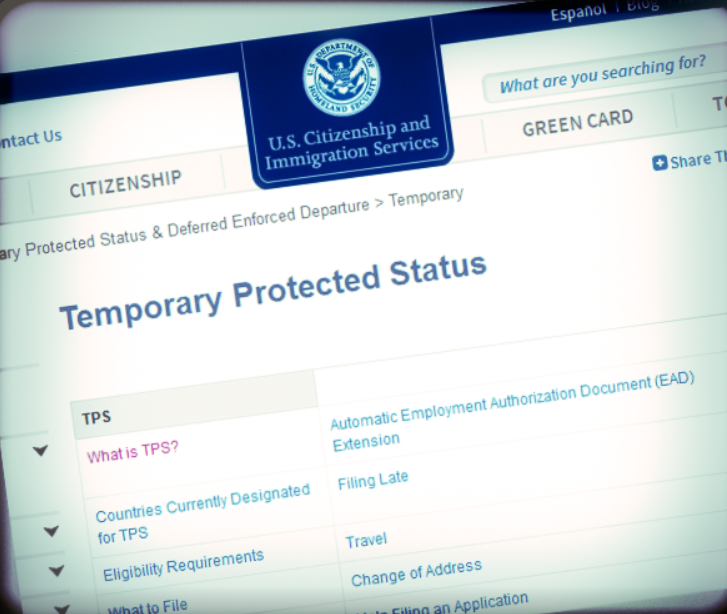
TPS is not a path to permanent residency or citizenship on its own. It is a renewable, time-limited status, typically granted in increments of six to eighteen months, that the Secretary of Homeland Security can extend, renew, or terminate based on conditions in the designated country. Officials have not changed the underlying legal framework of the program itself; what changes, administration to administration, is how aggressively that authority is used.
Background
The Secretary of Homeland Security can designate a country for TPS for one of three reasons: an ongoing armed conflict, such as a civil war; an environmental disaster, such as an earthquake or hurricane; or other extraordinary and temporary conditions that prevent the country’s nationals from returning safely. Once a country receives a TPS designation, eligible nationals already present in the United States can apply for the status, which grants them protection from deportation and authorization to work legally.
Haiti first received TPS designation in 2010 following a devastating earthquake, and the designation has been renewed multiple times since due to continued political instability and gang violence. Syria received its TPS designation due to its prolonged civil war, which began in 2011. Both countries have, at various points, had their designations extended by one administration and challenged or terminated by another, reflecting how directly the program’s application depends on which party controls the executive branch.
Why It Matters
TPS occupies an unusual space in immigration law because it is explicitly temporary by design, yet in practice it has provided long-term, multi-year protection to hundreds of thousands of people, some of whom have lived in the United States for over a decade under repeatedly renewed TPS status. That gap, between the program’s temporary legal framing and its long-term practical use, is precisely why it has become a recurring flashpoint in immigration policy and litigation.
Termination of TPS does not result in immediate deportation. It typically triggers a wind-down period during which the affected population loses work authorization and becomes subject to standard immigration enforcement, but the legal and practical transition can take months to unfold, and litigation frequently extends timelines further.
Expert Analysis
Legal impact: Because the Secretary of Homeland Security has broad discretionary authority over TPS designations, the program has become a recurring subject of federal litigation whenever an administration moves to terminate it for a specific country. Courts have generally been asked to determine whether termination decisions followed proper administrative procedure, rather than whether the underlying policy itself was justified, a distinction that shapes how these cases are argued and decided.
Political impact: TPS terminations tend to track closely with broader shifts in immigration enforcement priorities between administrations, making the program a consistent indicator of how aggressively a given administration is pursuing immigration restriction.
Economic impact: TPS holders are authorized to work, and many have been integrated into the US labor force for years in sectors including healthcare, construction, and food service. Analysts who study immigration economics generally note that sudden terminations affecting large populations can create measurable disruption for employers in regions with high concentrations of TPS holders.
Humanitarian impact: Because TPS designations are tied to genuinely dangerous conditions in the home country, such as ongoing conflict in Syria or instability in Haiti, termination raises the question of whether conditions have actually improved enough to make safe return realistic, a question that is sometimes disputed between the administration making the termination decision and human rights organizations monitoring conditions on the ground.
What’s Next
TPS will likely remain a recurring subject of litigation and policy reversal as administrations change, given how broadly the Secretary of Homeland Security’s discretionary authority has been interpreted by courts to date. Anyone currently holding TPS status is generally advised to monitor official Department of Homeland Security announcements directly, since designation periods, wind-down timelines, and legal challenges can shift the practical deadlines involved.
FAQ
How is TPS different from asylum?
Asylum is a status granted to individuals who can demonstrate a specific, personal fear of persecution if they return to their home country, decided on a case-by-case basis. TPS is granted to all eligible nationals of a designated country based on general conditions there, such as conflict or disaster, without requiring an individual showing of personal persecution.
Can TPS lead to a green card or citizenship?
TPS itself does not directly provide a path to permanent residency or citizenship. Some TPS holders may separately qualify for other immigration pathways, such as family sponsorship, but TPS status alone does not convert into permanent status.
Which countries currently have TPS designations?
TPS designations change periodically based on country conditions and administration policy. Officials have not published one single static list that remains accurate indefinitely; the most reliable source for the current list is the Department of Homeland Security’s official website at the time of inquiry.
What happens when a country’s TPS designation ends?
Termination typically triggers a wind-down period during which affected individuals lose work authorization and become subject to standard immigration enforcement procedures, though the exact timeline depends on the specific termination order and any related litigation.
Who decides whether a country gets TPS?
The Secretary of Homeland Security holds the legal authority to designate, extend, or terminate TPS status for a given country, based on an assessment of armed conflict, environmental disaster, or other extraordinary conditions.
Sources: U.S. Department of Homeland Security, Immigration Act of 1990 (public law record)