
Quick Summary
Three wildland firefighters were killed and two others injured while responding to wildfires near the Colorado-Utah border. The fatalities occurred as crews battled the Knowles and Gore fires, part of a broader wave of wildfire activity across the southwestern United States during an unusually dry and hot stretch of weather. The deaths mark one of the deadliest single incidents for wildland firefighting crews in recent years.
What Happened
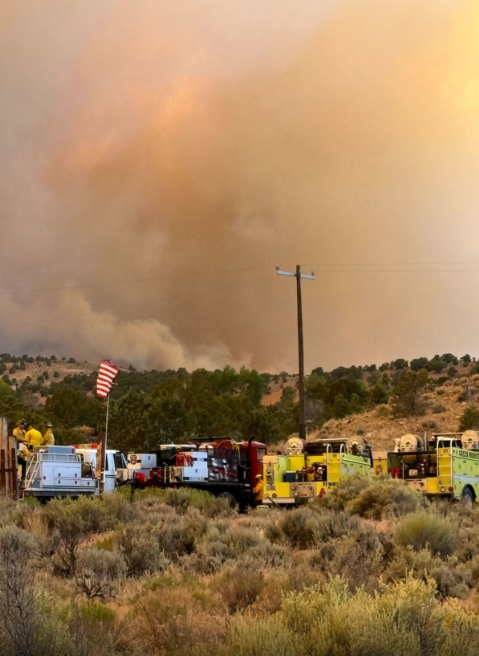
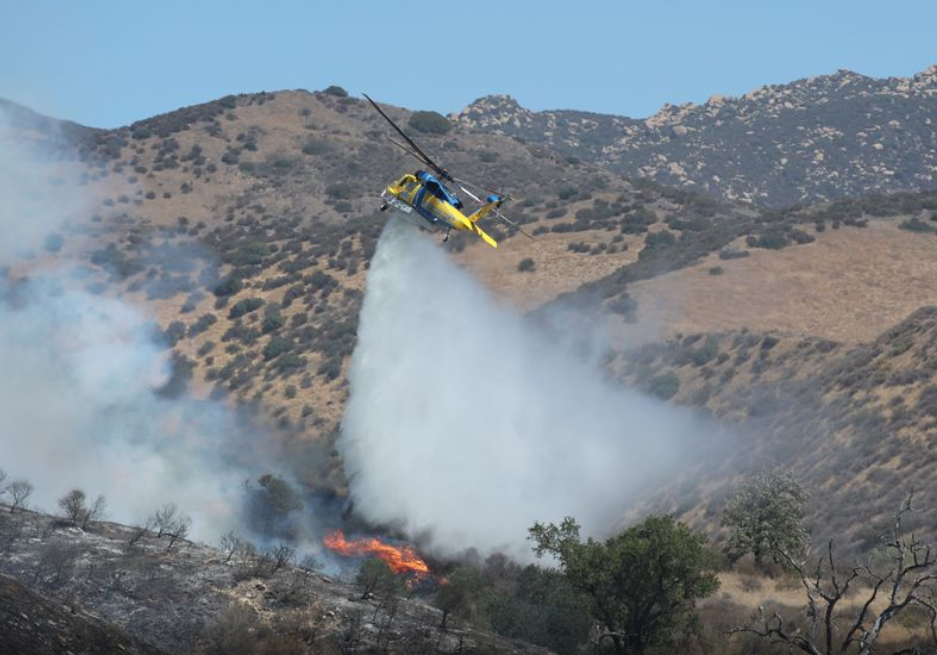
Based on information reviewed by Edge World News from CBS News, the U.S. Wildland Fire Service confirmed that three firefighters lost their lives and two others were injured while working as part of an interagency response to the Knowles and Gore fires near the Colorado-Utah border. The firefighters were part of a coordinated, multi-agency effort involving federal, state, and local crews, a standard arrangement for wildfires that cross state lines or threaten to grow beyond the capacity of any single agency.
Separately, NPR reported that firefighters working on the nation’s largest current wildfire, the Cottonwood Fire burning in southern Utah, have been challenged by historic weather conditions, with extreme wildfire behavior expected to continue through the weekend.
Background
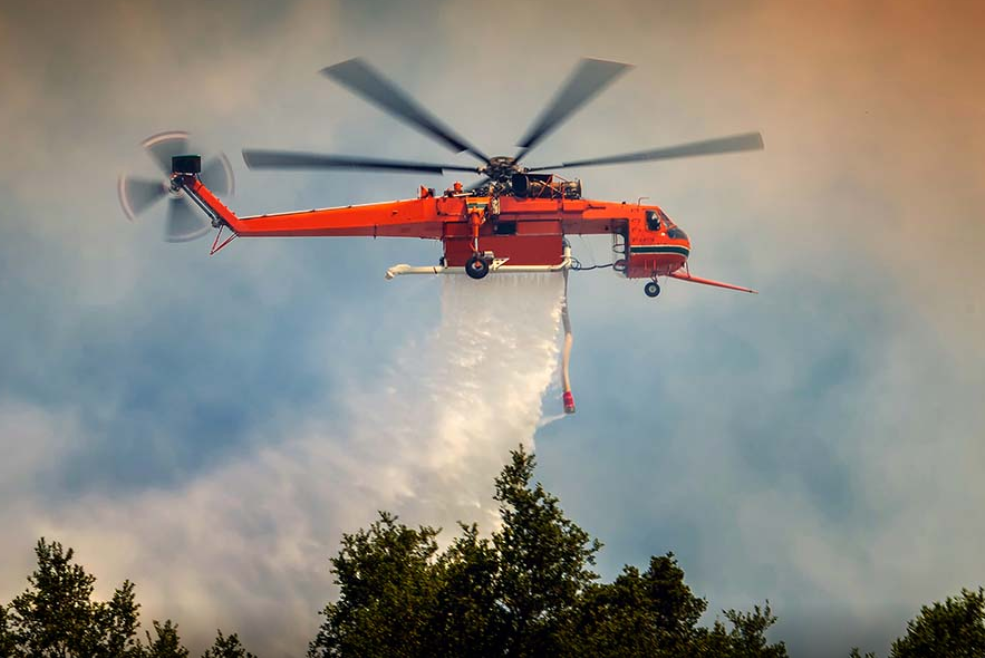
Wildland firefighting in the western United States has become increasingly dangerous in recent years as fire seasons start earlier, last longer, and burn with greater intensity. The combination of prolonged drought, low humidity, and high winds, the same conditions cited in current reporting on the Cottonwood and Gore fires, creates what fire scientists refer to as extreme fire behavior: rapid, often unpredictable spread that can outpace evacuation timelines and trap crews in the field.
The Colorado-Utah border region sits within a broader zone of the American Southwest that has experienced significantly reduced precipitation this year, leaving vegetation drier than usual heading into the summer fire season.
Why It Matters
The loss of three firefighters in a single incident is a significant blow to the wildland firefighting community, which already faces chronic staffing shortages across federal agencies. Each fatality also raises immediate questions about the specific conditions, terrain, wind shifts, or equipment failures, that contributed to the deaths, questions that typically take weeks or months to answer through formal incident review.
For residents near the Colorado-Utah border and in southern Utah, the fires represent an immediate threat to property and safety. For the broader region, the intensity of this year’s fire activity is being read by officials as an early indicator of how severe the rest of the summer fire season may become.
Expert Analysis
Safety and operational impact: Multi-fatality incidents typically trigger a formal after-action review by federal wildfire agencies to determine whether procedures, equipment, or staffing levels need to change. These reviews can take months but often lead to revised protocols adopted nationally.
Economic impact: Large wildfires carry significant costs beyond firefighting itself, including property destruction, insurance claims, and disruption to local economies in affected communities. The full economic toll of the Knowles, Gore, and Cottonwood fires will not be clear until containment is achieved.
Short-term consequences: Firefighting resources in the region are likely to remain stretched as long as multiple large fires burn simultaneously, a dynamic that can slow containment efforts on each individual fire.
Long-term consequences: Analysts who track wildfire trends note that incidents involving firefighter fatalities often accelerate policy discussions around fire agency funding, equipment standards, and climate-related fire risk, though the practical effect of those discussions on future fire seasons typically takes years to materialize.
Statistics & Context
The Cottonwood Fire is currently described by federal officials as the nation’s largest active wildfire. Multiple agencies, including state, local, and federal wildfire services, were involved in the joint response to the Knowles and Gore fires, reflecting the scale of coordination required when fires threaten to cross jurisdictional lines.
What’s Next
Containment efforts for the Knowles, Gore, and Cottonwood fires are expected to continue through the coming days, with officials warning that extreme fire behavior is likely to persist through the weekend due to weather conditions. A formal review into the circumstances surrounding the three firefighter deaths is expected to follow standard federal wildfire agency procedure, though no timeline for that review has been independently confirmed.
FAQ
How many firefighters died in this incident?
Three firefighters were killed and two others were injured while responding to the Knowles and Gore fires near the Colorado-Utah border, according to the U.S. Wildland Fire Service.
What fires are currently burning in the region?
Reporting identifies at least three active fires: the Knowles and Gore fires near the Colorado-Utah border, and the Cottonwood Fire in southern Utah, which is currently the nation’s largest active wildfire.
What caused the fires to become so dangerous?
Officials have cited historic weather conditions, including drought and low humidity, as contributing to extreme wildfire behavior, though the specific cause of the fires themselves has not been independently confirmed in available reporting.
Will there be an investigation into the firefighter deaths?
Multi-fatality wildfire incidents typically trigger a formal after-action review by federal wildfire agencies, though no specific investigation timeline has been confirmed at the time of publication.
How long are the fires expected to continue?
Officials have indicated that extreme fire behavior is expected to continue through the weekend, though no overall containment timeline has been provided.
Sources: CBS News, NPR