
The Democratic Republic of Congo qualified for the FIFA World Cup 2026 for the first time since 1974. It was a historic moment for a nation that rarely gets good news. Now, weeks before the tournament begins, that dream is being tested by one of the deadliest viruses on Earth.
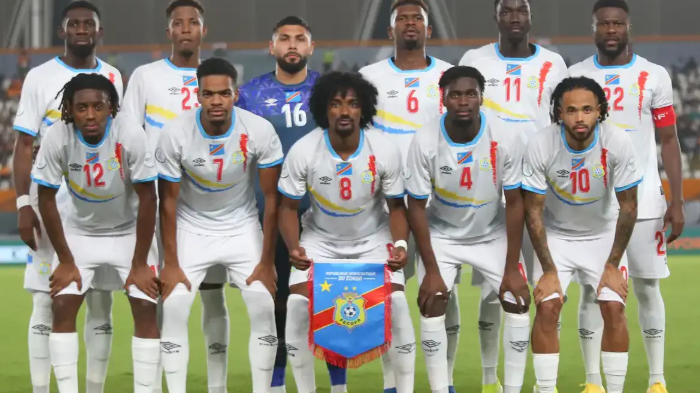
Andrew Giuliani, executive director of the White House Task Force for the World Cup, confirmed that the Congolese delegation must maintain a bubble where they are currently training in Belgium and isolate for 21 days or risk being denied entry into the United States.
The warning is serious. The CDC said the U.S. would ban entry of all foreign nationals who had been in Congo, Uganda, and South Sudan within the past three weeks. The ban lasts 30 days. For a team scheduled to arrive in Houston on June 11, four days before their opening match deadline, the math is tight and unforgiving.
Congo faces Portugal in their opening game in Houston on June 17, then Colombia in Guadalajara on June 23, before a final group game against Uzbekistan in Atlanta on June 27. Every one of those matches is now in question if the isolation bubble is breached.
The good news, for now, is that the players are safe. The entire squad of players, along with French head coach Sebastien Desabre, are based outside the DRC, with most playing professionally in Europe. The team spokesperson confirmed no player in the squad has returned to Congo recently. But the situation on the ground back home is deteriorating fast.
Last week, Congo confirmed an outbreak of a rare type of Ebola known as Bundibugyo, which is thought to have killed more than 130 people and caused nearly 600 suspected cases. The World Health Organization has declared it a public health emergency of international concern. There are currently no approved vaccines or treatments for the Bundibugyo strain, which makes it particularly dangerous and difficult to contain.
The political dimension adds another layer. The White House World Cup Task Force, housed under the Department of Homeland Security, stressed it is coordinating closely with various agencies and closely monitoring the outbreak. Giuliani made Washington’s position clear: “We cannot be any clearer.” The US will not bend its entry restrictions even for a World Cup team.
Why it matters: This story is not just about football. It is about what happens when a global sporting event collides with a public health crisis at full speed. The 2026 World Cup is being hosted across the United States, Canada, and Mexico, with tens of millions of fans expected to travel internationally. The Congo situation is a test of how seriously governments and FIFA are willing to treat health protocols when billions of dollars and decades of national pride are on the line. If Congo’s players break the bubble even once, they could lose everything they worked for. That pressure, playing the most important tournament of their lives while managing a deadly outbreak at home, is something no sports team has ever faced quite like this.
Do you think the US is right to enforce strict Ebola restrictions even if it risks Congo missing the World Cup?