
There have been dramatic finishes at Indianapolis Motor Speedway before. But what happened on Sunday afternoon will be talked about for decades. Felix Rosenqvist, a 34-year-old Swede driving for Meyer Shank Racing, crossed the finish line ahead of David Malukas by just 0.0233 seconds, the closest margin of victory in the 110-year history of the Indianapolis 500.
The 110th running of the Indianapolis 500 delivered chaos, rain interruptions, strategy gambles, heavy crashes and a breathtaking one-lap shootout to decide the winner. Rosenqvist emerged from it all with a famous victory, denying Malukas after a dramatic final restart.
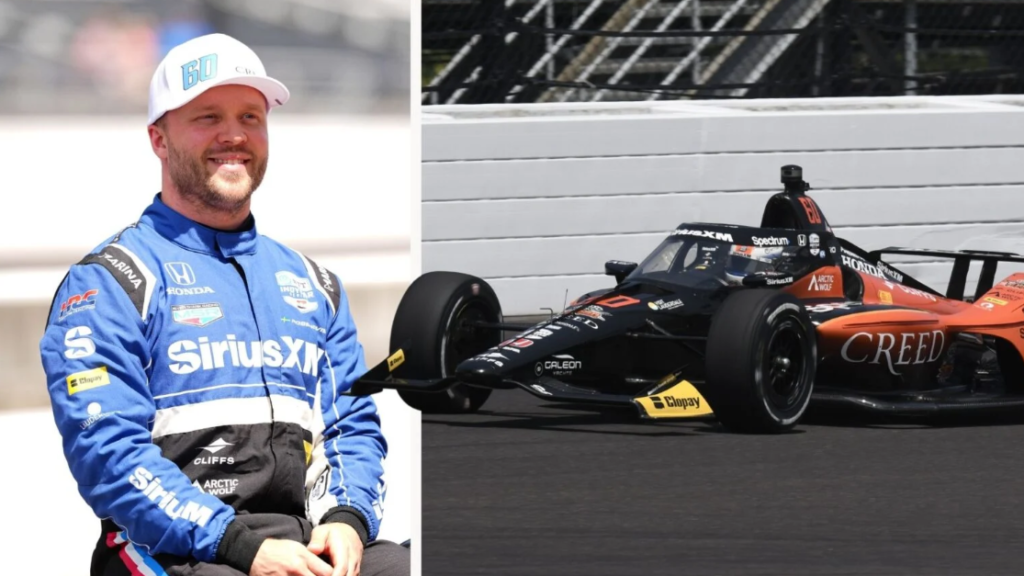
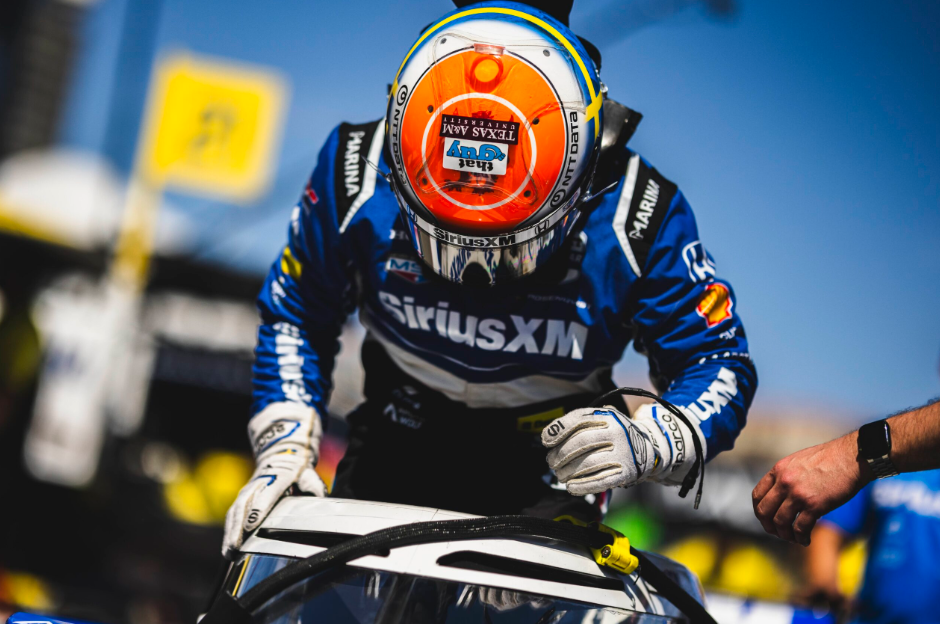
The race was never straightforward from the opening lap. Polesitter Alex Palou led early, with Alexander Rossi pressuring him through the first 17 laps as the two exchanged the top spot repeatedly. Strategy splits began dividing the field as fuel windows opened, turning the race into a chess match at 220 miles per hour.
With eight laps to go, the caution came out after AJ Foyt Racing rookie Caio Collet crashed heavily in the exit of Turn 2. The entire right side of his Chevrolet was crushed and contact whipped him back into the inside wall. Race Control brought out the red flag to allow time to clean the track and ensure a green-flag finish. Fortunately, despite the hard hit, Collet was able to climb out of the car.
That red flag set up the finale everyone in motorsport dreams about. After the restart, Malukas overtook Rosenqvist and Pato O’Ward for the front spot. But Rosenqvist got a fantastic run coming to the final corner and managed to pip the Team Penske driver right at the line by two-tenths of a second. The race featured 70 lead changes, setting an all-time Indianapolis 500 record, surpassing the 68 lead changes from the 2013 race won by Tony Kanaan.
Scott McLaughlin completed the podium in third. Pato O’Ward came home fourth, with Marcus Armstrong fifth after leading late before the final yellow reshuffled the race. Alex Palou, who started from pole, finished seventh after being a major player throughout.
For Rosenqvist, the victory is deeply personal. He had spent years as one of IndyCar’s most consistent but overlooked performers. His only previous IndyCar win came at a small oval in 2020. Sunday was different, this was the Indianapolis 500, the biggest race in the world, won by the slimmest margin the track has ever seen.
Why it matters: The Indy 500 is not just a race. It is an American institution, watched by hundreds of thousands in person and millions on television every Memorial Day weekend. In a year when America is at war abroad, dealing with economic uncertainty, and navigating political turbulence at home, the spectacle of 300,000 fans packed into Indianapolis cheering a photo finish is a reminder of what shared national moments still look like. Rosenqvist gave them one of the best in history.
Was this the greatest Indianapolis 500 finish you have ever seen?