
Peace negotiations between the United States and Iran were supposed to be entering their final phase. Instead, Monday night ended with explosions over the port city of Bandar Abbas and a warning from Tehran that rang across the Persian Gulf.
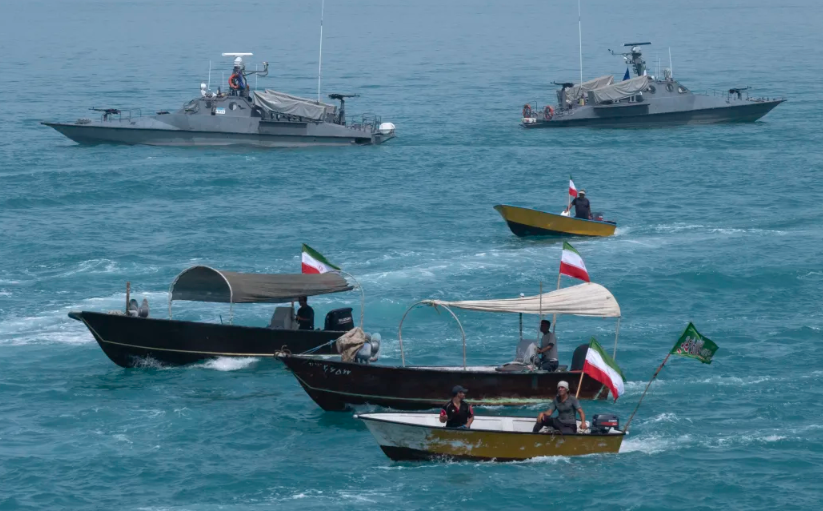
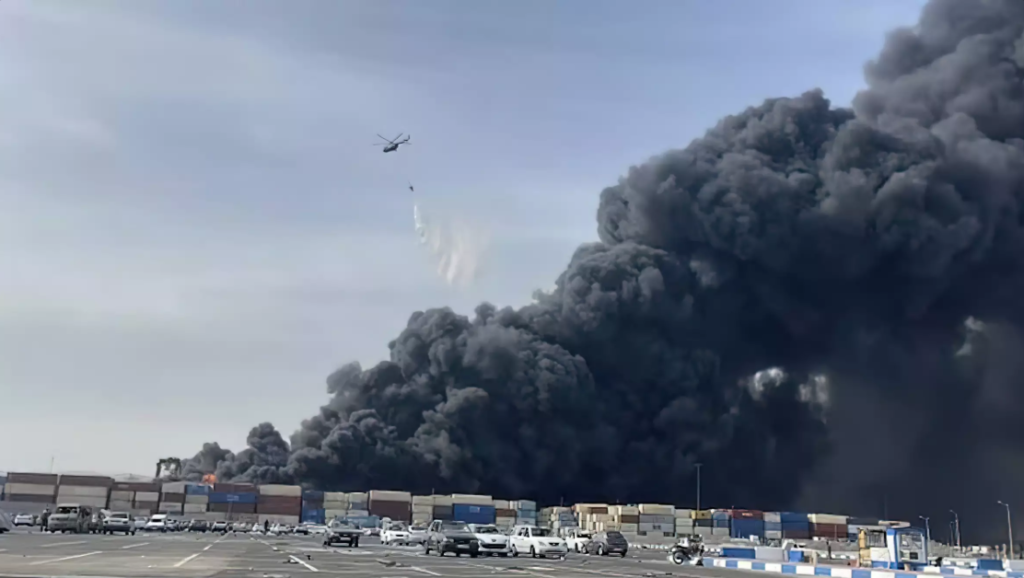
US forces struck missile sites and Iranian vessels in southern Iran in what the military described as a self-defense action, with the Strait of Hormuz at the center of the confrontation once again. CENTCOM spokesperson Captain Tim Hawkins confirmed that the targets included missile launch sites and Iranian boats allegedly attempting to lay mines in the strategic waterway. “US Central Command continues to defend our forces while using restraint during the ongoing ceasefire,” he said.
The timing could not have been more delicate. The strikes came just hours after Iranian negotiators had sat down with Qatari mediators in Doha, working in coordination with American officials toward a memorandum of understanding that both sides had publicly signaled was nearly complete. Within hours of those talks, the bombs were falling.
Three explosions were heard in Bandar Abbas, with similar sounds reported in the Persian Gulf near Sirik and Jask. The IRGC said it had a legitimate right to respond to any ceasefire violations. Iran’s foreign ministry accused the US of committing repeated ceasefire violations over the past 48 hours, including “naval harassment against Iranian commercial vessels.”
Following the American strikes, Iran’s military said it had retaliated by attacking US military vessels in the Strait of Hormuz, claiming massive damage had been inflicted. Iranian officials warned of a decisive response to any further US aggression. At least two sources described the US operation as “defensive strikes” and said it did not mean the ceasefire had collapsed.
That distinction, between a ceasefire that is technically still in place and one that is functionally unraveling, is becoming increasingly difficult to maintain. This is not the first time the truce has been tested. Since it was brokered in early April with Pakistani mediation, both sides have exchanged fire multiple times, each accusing the other of provocation while insisting they remain committed to a deal.
What makes this episode different is the context. Rubio said the Iran deal is being held up by disputes over the wording of the agreement, particularly around Iran’s nuclear program and the pace of sanctions relief. Those disputes were already threatening to collapse the talks before the first bomb fell on Bandar Abbas.
Why it matters: The Strait of Hormuz is not just a military flashpoint, it is the valve that controls roughly 20 percent of the world’s oil supply. Every day it remains contested, energy prices stay elevated, global supply chains stay disrupted, and the risk of a broader regional war grows. What happened Monday night illustrates the central paradox of this conflict: both sides say they want peace, but neither appears willing to stop shooting long enough to sign it. The next 48 hours will determine whether this ceasefire survives or becomes another chapter in a war that was supposed to be winding down.
Do you think the US and Iran will actually reach a peace deal, or is this ceasefire already collapsing?