
The United States immigration court system has always been backlogged, underfunded, and overwhelmed. Now, instead of addressing those structural problems, the Trump administration has found a different solution: pack 100 or more immigrants into a single hearing room, move their dates forward without adequate notice, and issue deportation orders against anyone who does not show up.
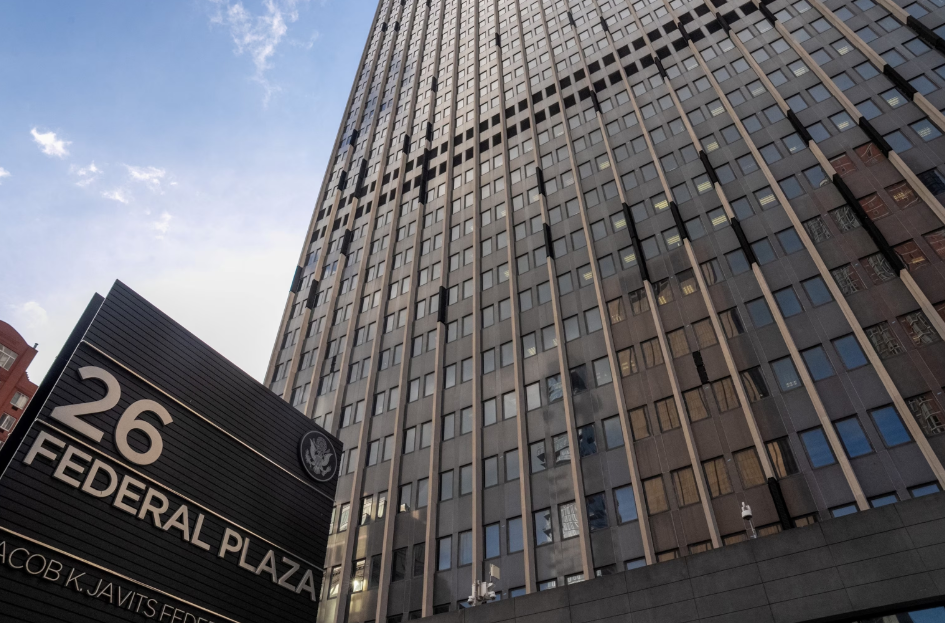
Immigration courts inside the Justice Department are drastically accelerating immigrants’ hearings and bunching them together with the goal of issuing more deportation orders. The new and unprecedented tactic was shared with NPR by immigration attorneys and the American Immigration Lawyers Association. Immigrants are now being scheduled for massive master calendar hearings, known as “mega masters,” that include 100 or more people at a time.
The mechanics of the system expose its core problem. Attorneys say these new hearings largely target people without lawyers representing them. Those who show up late, or not at all, are receiving removal orders, further truncating the already-limited due process available to immigrants. Courts often lack enough seats for hearings with so many people at once.
That last detail is not a minor logistical inconvenience. It means that even an immigrant who does everything right, who shows up on time, who wants to be heard, may physically be unable to enter the courtroom. And under the current system, that can be enough to trigger a deportation order.
The notification problem makes it worse. In some cases, little to no notice is being issued by the government by mail or electronically to immigrants or their lawyers, meaning those not regularly checking their online accounts could miss any changes. Lawyers started in the Chicago, Boston and Chelmsford, Massachusetts courts and is soon to start in the Dallas Immigration Court.
When someone does not appear for their scheduled hearing, even by mistake, the judge can issue an official removal order that allows immigration officers to detain and deport the person. That has been happening far more often under this Trump administration, with fewer people showing up in court for fear of being detained. The fear itself has become a self-fulfilling trap: immigrants afraid of being detained if they show up, now being deported for not showing up.
Immigration attorney Vanessa Dojaquez-Torres of the American Immigration Lawyers Association put it plainly, saying the system appears to be designed to increase the number of people who receive deportation orders automatically, rather than to provide genuine hearings.
Why it matters: This story sits at the intersection of immigration policy and constitutional due process. The right to a fair hearing before being expelled from the country is not just a legal technicality, it is the foundation of what separates a functioning legal system from arbitrary enforcement. The people targeted by these “mega master” hearings are not undocumented shadows. Many have pending cases, established lives, American-born children, and legitimate legal claims. The question being raised by immigration attorneys across the country is whether a system designed to maximize deportation orders, rather than deliver justice, can still be called a court at all.
Do you think immigrants deserve individual hearings, or is mass processing a necessary response to the scale of the immigration crisis?