
The US Supreme Court issued two significant immigration rulings this week, both favoring the Trump administration’s enforcement agenda. According to information available at the time of publication, Democracy Now! reported that the Court will allow the administration to end Temporary Protected Status for approximately 350,000 Haitian immigrants and 6,000 Syrian immigrants currently living in the United States.
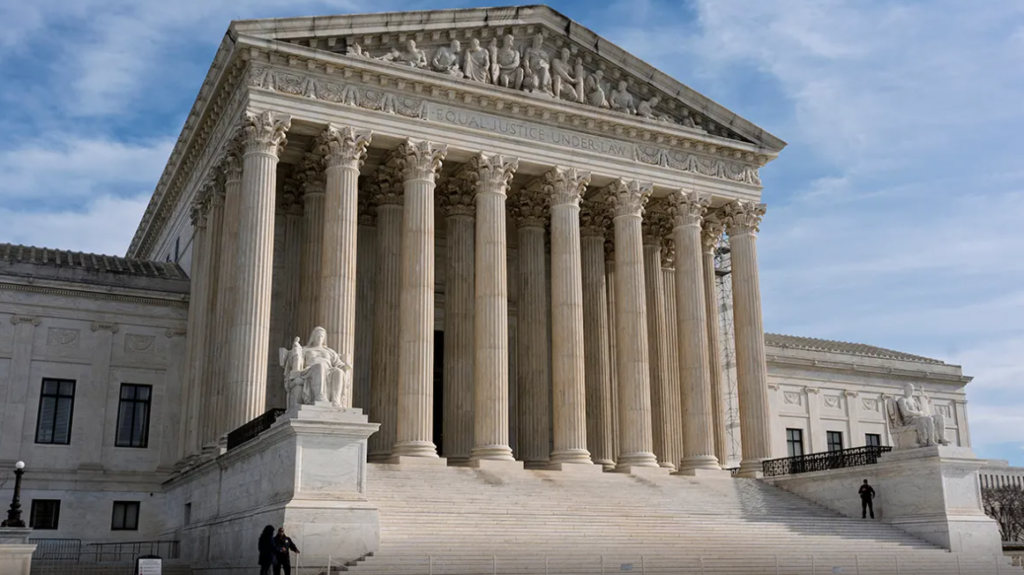
In a separate ruling described by Democracy Now! as a “devastating” decision for immigration advocates, the Court also allowed the Trump administration to “turn back” asylum seekers at the US border, a ruling immigration attorneys have characterized as part of what Democracy Now! described as a “racially inflected” pattern in recent Court decisions affecting immigrants from specific regions.
Background
Temporary Protected Status is a designation that allows nationals of countries experiencing armed conflict, environmental disaster, or other extraordinary conditions to live and work in the United States temporarily without facing deportation. Haiti has held TPS designation for years due to ongoing political instability and gang violence, while Syria’s designation stemmed from its prolonged civil war. Ending TPS for these groups means hundreds of thousands of people who have built lives in the US, in many cases over several years, now face the prospect of deportation to countries the US government itself previously determined were too dangerous to return to.
The asylum ruling builds on a broader pattern of Trump administration immigration policy throughout 2026, which has included raising fees for visa programs, accelerating deportation hearings, and increasing enforcement actions at polling places and other public locations, according to separate Democracy Now! reporting on a federal agent confronting an election worker in Syracuse over a social media post.
Why It Matters
These rulings affect hundreds of thousands of people who currently have legal status to live and work in the United States. The end of TPS does not happen instantly. It typically triggers a wind-down period, but it removes the legal protection that previously shielded these populations from deportation, leaving them in a substantially more precarious position than before the ruling.
Expert Analysis
Political impact: The rulings represent a significant legal victory for the Trump administration’s immigration enforcement agenda, removing two of the larger protected immigrant populations from their previous legal shield and signaling the Court’s willingness to defer to executive authority on immigration matters.
Economic impact: Haitian and Syrian TPS holders are integrated into the US labor market across multiple sectors, and the loss of legal work authorization for nearly 360,000 people combined could have measurable effects on local economies and employers in communities with significant TPS holder populations.
Humanitarian impact: Both Haiti and Syria continue to experience serious instability, meaning many TPS holders facing the end of their status have limited safe options for return. Immigration advocates argue the ruling forces vulnerable populations to choose between an uncertain legal status in the US and a return to countries still affected by conflict or violence.
Legal impact: Democracy Now!’s characterization of the ruling pattern as “racially inflected” reflects a broader debate among legal analysts about whether recent Supreme Court immigration decisions disproportionately affect immigrants from Haiti, Syria, and other non-European countries compared to similar designations for other populations.
What’s Next
Haitian and Syrian TPS holders will need to monitor official guidance on the specific timeline for when their protections formally end and what, if any, alternative legal pathways might be available to them. Immigration advocacy organizations are expected to continue pursuing legal and legislative avenues to challenge or delay implementation, though the Supreme Court ruling significantly narrows their options.
FAQ
What is Temporary Protected Status (TPS)?
TPS is a US immigration designation that allows nationals of certain countries facing armed conflict, natural disaster, or other extraordinary conditions to live and work legally in the United States temporarily without facing deportation.
How many people are affected by this ruling?
According to Democracy Now!, the ruling affects approximately 350,000 Haitian immigrants and 6,000 Syrian immigrants who currently hold TPS status.
Does this mean affected immigrants will be deported immediately?
The ruling allows the administration to end TPS designation, which typically initiates a wind-down process rather than immediate deportation, though it removes the legal protection that previously prevented deportation proceedings.
What was the separate asylum ruling about?
The Supreme Court separately ruled that the Trump administration can “turn back” asylum seekers attempting to enter at the US border, a decision Democracy Now! described as having “devastating” implications for asylum seekers.
Sources: Democracy Now!