
Quick Summary: Minnesota Gov. Tim Walz is bringing his National Guard troops home from Washington, D.C. nearly two weeks ahead of schedule, after activists filmed Minnesota soldiers on armed neighborhood patrols far from the America 250 celebrations they were sent to support. The early withdrawal, confirmed Saturday, makes Minnesota the most prominent Democratic led state to break with the capital’s sprawling federal troop mission, which has doubled to more than 5,100 soldiers in the past month and now costs an estimated $3 million per day. Pressure is now mounting on Michigan Gov. Gretchen Whitmer, whose 162 troops are committed through August 31, with all 13 D.C. Council members and a coalition of more than two dozen civil rights groups urging her to follow Minnesota’s lead.
The Decision
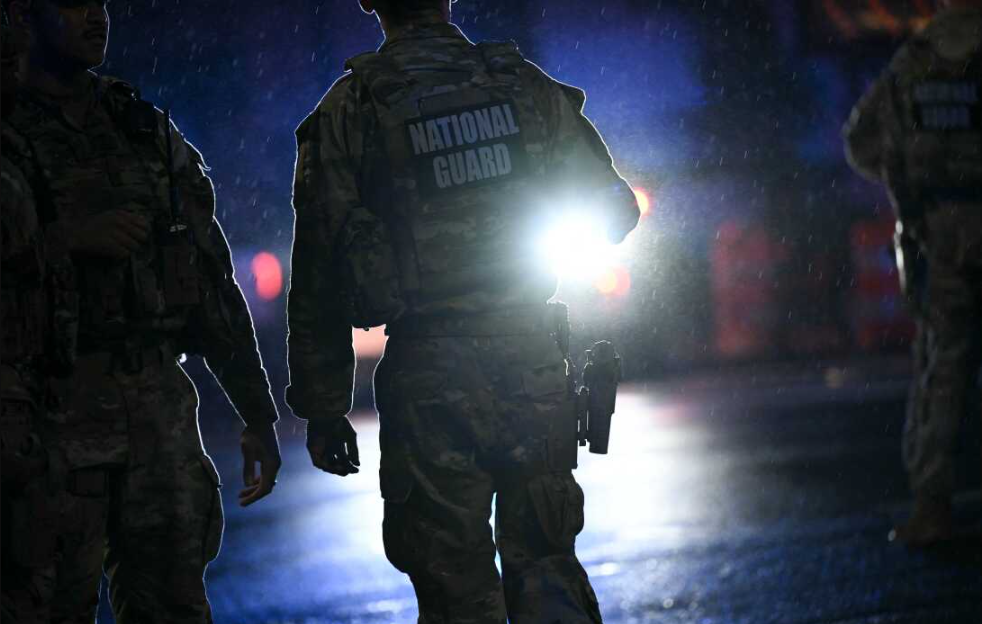
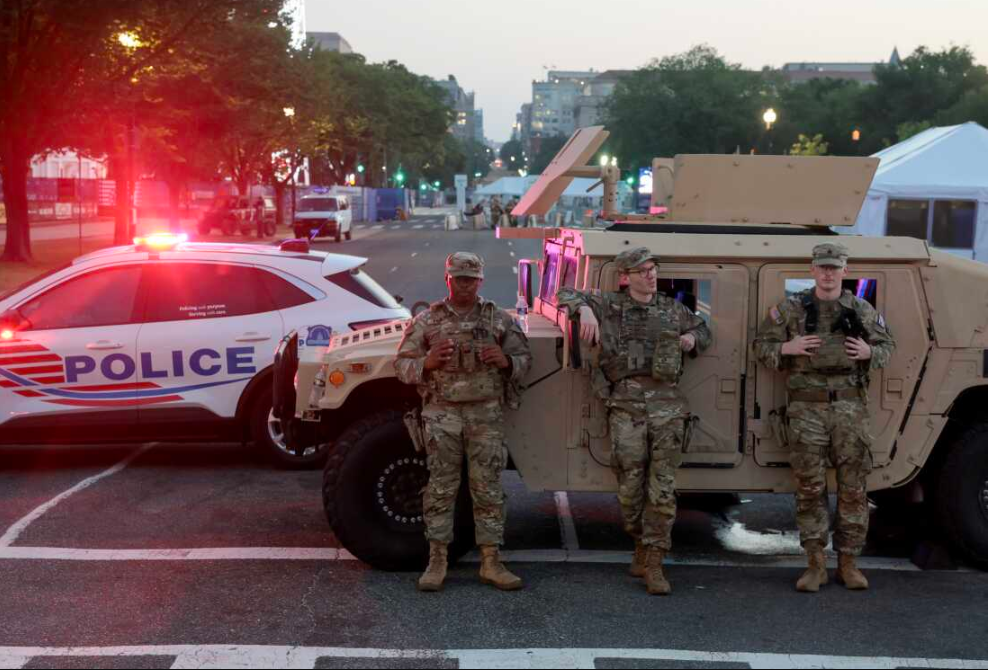
Walz dispatched more than 100 Minnesota National Guard members to Washington ahead of the official America 250 anniversary events, with explicit orders that they would help only with celebrations near the national monuments. Within days, activists from the group Free D.C. filmed guard members who identified themselves as Minnesotans on presence patrols in residential neighborhoods, armed with handguns, far from the National Mall. In videos NPR authenticated, the soldiers admitted they were not sure how far the America 250 festivities were from where they stood. Several days after those videos surfaced, Walz’s office confirmed the decision to pull out. The troops had been assigned to the capital through July 23.
Minnesota is not alone. Maryland Gov. Wes Moore’s office confirmed his guard members, in town only briefly around the celebrations, are heading home at the end of the week. Kentucky recalled a single guard member even before the main events began, after the soldier was diverted to the federal task force “without the knowledge or consent” of Gov. Andy Beshear or the state’s Guard command, according to Beshear’s communications director Scottie Ellis.
How the Capital Reached This Point
President Trump first deployed the National Guard to Washington in August 2025 as part of a federal Joint Task Force billed as a mission to fight crime and beautify the city, even though crime was already trending downward. Nearly a year later, thousands of armed troops from almost two dozen states still patrol residential and commercial neighborhoods. Over the past month the number has doubled to more than 5,100 as federal officials announced a “summer surge” of law enforcement support, and the nonpartisan Congressional Budget Office estimates the operation now costs upwards of $3 million every day.
The wrinkle for Democratic governors is legal status. Their troops serve under Title 32, meaning Washington pays the bills but governors technically retain command. In practice, every state guard member listed by the D.C. Joint Task Force has been deputized as special police by the U.S. Marshals Service and issued a firearm. Six Democratic led states, Kentucky, North Carolina, Michigan, Maryland, Hawaii and Minnesota, sent troops for America 250 while publicly opposing the broader law enforcement mission, a distinction that proved difficult to maintain on the ground.
Why It Matters
The episode exposes the practical limits of a governor’s control once troops enter a complex federal operation. “They were fundamentally trusting the Trump administration to respect those lines, and I think that was a mistake,” said Elizabeth Goitein, senior director of Liberty and National Security at the Brennan Center for Justice. “No matter what limits they try to draw, as a practical matter, the governors are not there on the ground and are not giving the orders.” Former National Guard officials told NPR it is simply impractical for state capitals to supervise day to day activities in a mission of this scale.
The stakes reach beyond Washington. Whether Democratic governors can be pressured or persuaded into supplying troops for federal deployments has become a live constitutional question heading into the midterms, and each early withdrawal shifts the political calculation for the next governor asked to contribute.
The Pressure on Whitmer
Michigan’s 162 troops are scheduled to remain until August 31, the longest commitment of any Democratic led state. Whitmer sent a strongly worded letter to the head of Michigan’s National Guard last week threatening to withdraw if more reports emerged of her soldiers joining law enforcement operations. Critics say the threshold has already been crossed: Free D.C. filmed Michigan guard members on patrols away from the Mall, and this week all 13 members of the D.C. Council signed a letter demanding withdrawal, warning of “mission creep, militarization of civilian spaces, and the erosion of local democratic control.” A coalition letter organized by the Brennan Center, joined by more than two dozen think tanks and civic, labor and civil rights groups, makes the same demand.
Voices From the Military
Nineteen former senior military officials, including former Secretary of the Air Force Frank Kendall, wrote to every governor who has not yet sent troops, urging them to keep their forces home and calling the situation “fundamentally different” from past national celebrations. “Under normal circumstances, sending some guard troops to help with Fourth of July celebrations wouldn’t be that big of a deal,” Kendall said, adding a blunt warning: “I think, frankly, that the American people are being desensitized to the presence of armed, uniformed people on their streets.” Hawaii’s guard, which arrived only after July 4, says its deployment could still last up to 90 days.
Numbers That Tell the Story
Troops now in D.C.: more than 5,100, double last month’s figure. Daily cost: roughly $3 million, per CBO. States with troops deployed: nearly two dozen. Minnesota’s contingent: more than 100, recalled 12 days early. Michigan’s contingent: 162, committed through August 31. D.C. Council members demanding withdrawal: all 13. Duration of the federal deployment: 11 months and counting.
What Happens Next
Watch Whitmer’s next move; her office has not yet responded to either letter. Hawaii’s newly arrived troops become the next test case, and the “summer surge” guarantees the deployment stays a national story through August. Court challenges to the deployment’s legality continue in the D.C. Circuit, where Democratic state attorneys general have filed supporting briefs.
FAQ
Why did Minnesota pull its National Guard out of Washington early? Because its soldiers, sent strictly for America 250 events near the monuments, were documented on armed presence patrols in distant neighborhoods, contrary to the governor’s orders.
Were the Minnesota troops doing anything illegal? Not personally. The dispute is about mission scope: governors say their troops were folded into a federal law enforcement operation they never authorized.
Who controls National Guard troops in D.C.? State troops there serve under Title 32 status, federally funded but under their governors’ command. In practice, all were deputized as special police by the U.S. Marshals Service and armed.
How big is the deployment now? More than 5,100 troops from nearly two dozen states, costing an estimated $3 million per day according to the Congressional Budget Office.
Is Michigan pulling out too? Not yet. Gov. Whitmer has threatened withdrawal if her troops are used in law enforcement again, and pressure from the D.C. Council and civil rights coalitions is building daily.
Editorial Note: This article was prepared using publicly available information from international news organizations and official sources available at the time of publication. Facts may be updated as authorities release new information.
Sources: