
Quick Summary
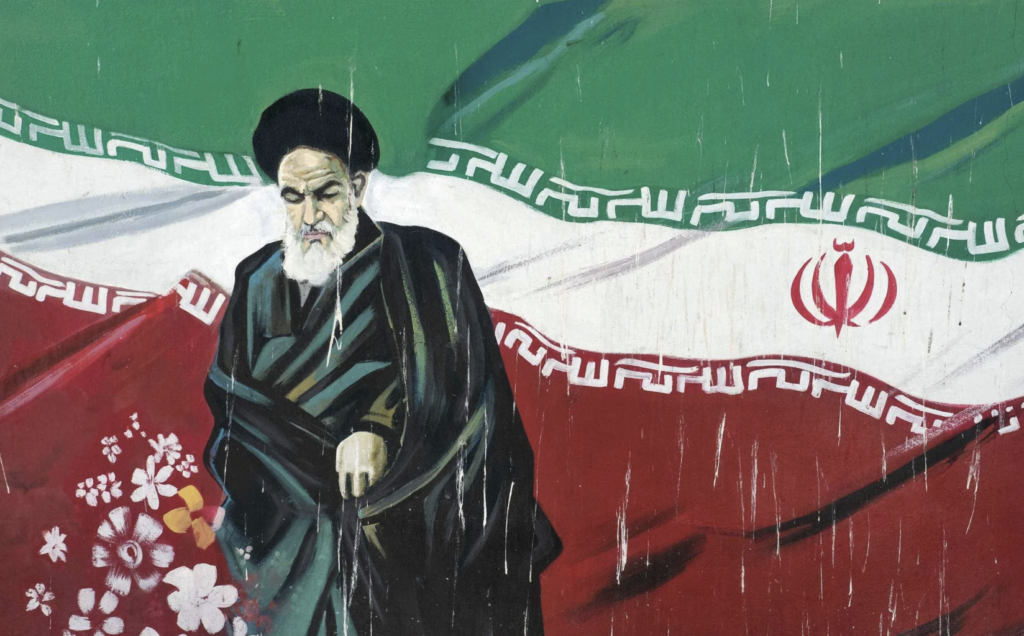
Iran’s economy is nearing collapse as President Trump vowed economic warfare and isolation on an unprecedented scale against the country this week, declaring the regime is hanging by a thread as the currency hit a record low and inflation soared past 60%. Treasury Secretary Scott Bessent unveiled what officials are calling an economic D-Day initiative aimed at severing every remaining financial lifeline sustaining the Iranian government, following the collapse of ceasefire talks earlier this month. An Iranian economist pushed back against the American characterization, arguing the mounting pressure is strengthening, not weakening, the regime’s grip.
What Happened
Bessent announced what he described as the single greatest financial offensive ever launched against Iran, framing it as a potential trigger for the endgame of the broader conflict in the Middle East. In a statement from the Treasury Department, Bessent said the objective was to sever every economic lifeline sustaining what he called a tyrannical regime until Tehran stands alone, adding that Iran had been at war with America, its Gulf neighbors, and much of the world for 47 years.
Trump separately warned that any country offering Iran an economic lifeline would face tremendous economic consequences of its own, naming oil smuggling, currency swap lines, cash transfers, exchange houses, ship registries, and front companies as channels he wants shut down immediately. The warning appeared to have an immediate effect regionally: officials indicated the United Arab Emirates, described as one of Iran’s main financial gateways, moved to rupture its economic and financial ties with Tehran, a shift one Iranian economist said would pressure the exchange rate, raise trade costs, and worsen inflation over the following two quarters.
Background
Iran’s economy has been under sustained strain since the current war* began in late February, with the World Bank estimating the country’s gross domestic product contracted by 2.7% in the year ending in March, citing disruption from both widespread protests the previous year and intensified regional hostilities. Inflation surged to 62.2% in February, with food price inflation reaching a historic high of 99%, according to World Bank figures, while an Iranian official told reporters the war has cost the country roughly one million jobs.
The pressure campaign builds on an effort the Trump administration has waged since April, which officials have described internally as targeting the regime’s global terror financing and broader revenue streams. Iran’s currency has weakened dramatically over the course of the conflict, and officials in Tehran have acknowledged the strain directly: the governor of Iran’s central bank said in a televised interview that oil exports have almost stopped entirely, though he maintained the country’s financial planning remained solid enough to preserve some sources of foreign currency, while suggesting some oil wells could eventually go idle as revenue continues to decline.
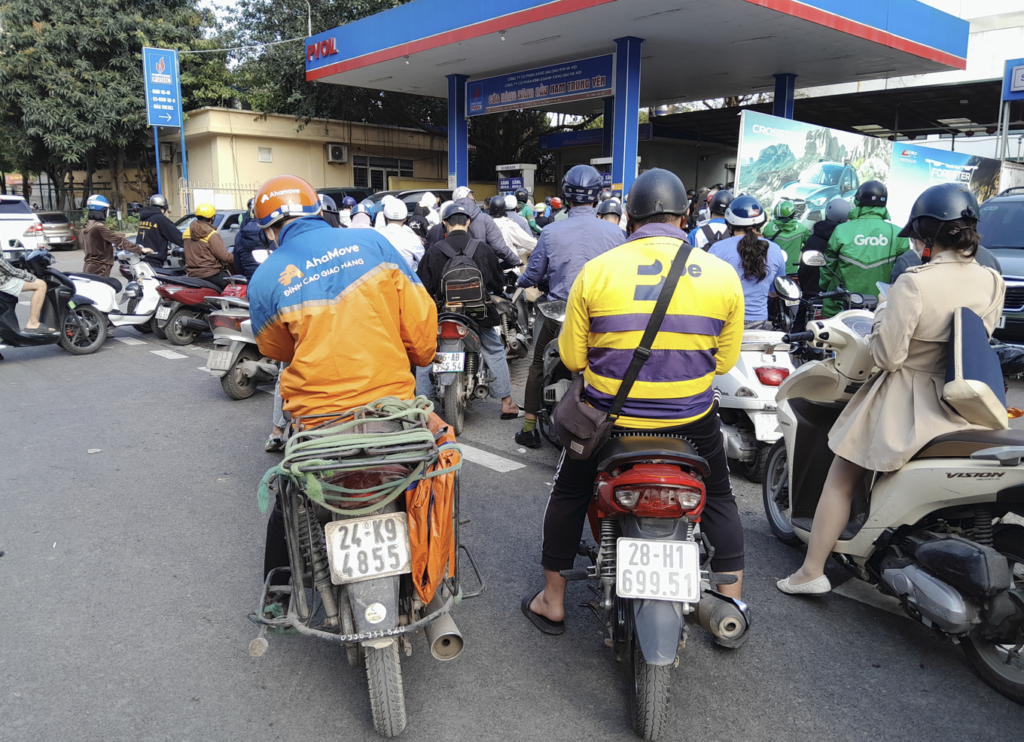
The economic deterioration is increasingly being felt across Iranian households and businesses, with rising prices eroding purchasing power and putting additional pressure on already strained living standards. The combination of falling oil revenues, a weakened currency and disrupted trade has made it more difficult for the government to stabilize prices and maintain access to foreign currency. Economists have warned that prolonged disruptions could deepen shortages, increase unemployment and further undermine confidence in the rial, creating a cycle in which higher import costs fuel even greater inflation. With the conflict continuing to place pressure on Iran’s key sources of revenue, the country’s ability to absorb further economic shocks is becoming increasingly limited
Why It Matters
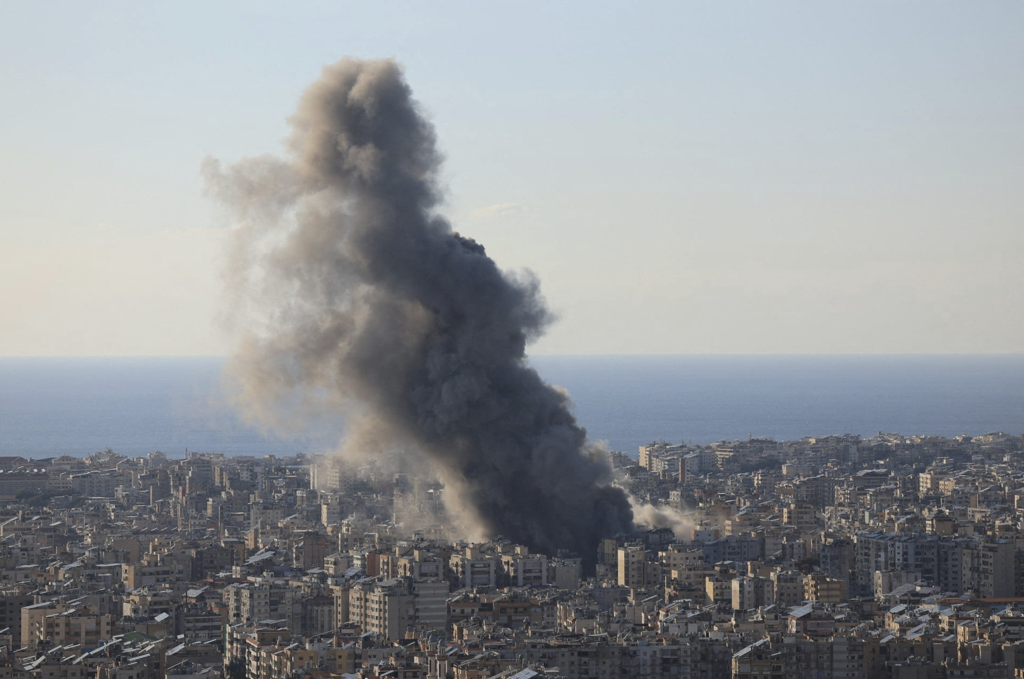
The scale of the pressure campaign represents one of the most aggressive economic strategies the U.S. has deployed against Iran to date, explicitly designed as an alternative or complement to continued military conflict. By threatening consequences against third-party nations that maintain financial ties with Iran, rather than sanctioning Iran alone, the administration is attempting to isolate the country from the broader global financial system it still depends on for oil revenue and currency stability.
Not everyone agrees the strategy is working as intended. An economist who previously advised Iran’s central bank pushed back directly against Trump’s characterization, arguing that the economic and political squeeze is strengthening the regime Washington is trying to weaken, while simultaneously reducing the prospects for a negotiated deal. That assessment suggests the sanctions campaign, even if it succeeds in inflicting severe economic pain, may not translate cleanly into the kind of political capitulation or regime change some U.S. officials appear to be anticipating.
Statistics & Context
- Iran’s GDP contraction for the year ending March 2026, per the World Bank: 2.7%
- Inflation rate in Iran as of February 2026: 62.2%
- Food price inflation, a historic high: 99%
- Estimated jobs lost in Iran due to the war, per an Iranian official: approximately 1 million
- Months the current pressure campaign, dubbed Operation Economic Fury, has been underway: since April 2026
- Description of the newly announced sanctions push: “Economic D-Day”
What’s Next
The Trump administration is expected to continue pressuring third-party nations, particularly regional financial hubs like the UAE, to sever remaining commercial and banking ties with Iran in the weeks ahead. Whether the campaign succeeds in forcing Tehran back to the negotiating table, or instead hardens the regime’s resistance as some economists warn, remains one of the central open questions shaping the next phase of the broader U.S.-Iran conflict. Continued monitoring of Iran’s currency value, inflation rate, and oil export levels is likely to serve as the clearest real-time indicator of how effectively the new sanctions campaign is functioning.
FAQ
What is “Economic D-Day”?
The name Treasury Secretary Scott Bessent gave to a new, intensified sanctions campaign aimed at cutting off Iran’s remaining global financial and trade connections.
How bad is Iran’s economy right now?
Iran’s GDP contracted 2.7% in the year ending March 2026, inflation hit 62.2% in February, food inflation reached 99%, and the country has reportedly lost around 1 million jobs due to the war.
Is this sanctions campaign working?
Accounts differ. U.S. officials describe the regime as nearing collapse, while an Iranian economist argues the pressure is actually strengthening the government’s grip and reducing the odds of a negotiated deal.
What role does the UAE play in this story?
The UAE has functioned as one of Iran’s main financial gateways, and officials indicate it has moved to rupture its economic and financial ties with Tehran under U.S. pressure.
Is this connected to the broader US-Iran war?
Yes. The sanctions push follows the collapse of ceasefire talks and is framed by U.S. officials as either an alternative to continued military conflict or a way to hasten its conclusion.
Editorial Note: This article was prepared using publicly available information from a U.S. Treasury Department statement and news organizations available at the time of publication. Some claims about Iran’s internal economic and political conditions come from officials with a direct stake in the outcome of the conflict and could not be independently verified in full.
Sources:
Curent War*
World News – US Strikes 140 Targets in Iran as Tehran Fires Back at Qatar, Bahrain, Oman
CNBC: Trump says Irans economy is collapsing. A former central bank adviser in Tehran pushes back
Israel Hayom: Irans economy is collapsing
Breitbart: Irans Currency Hits Record Low as US Rolls Out Economic D-Day Sanctions