
Quick Summary
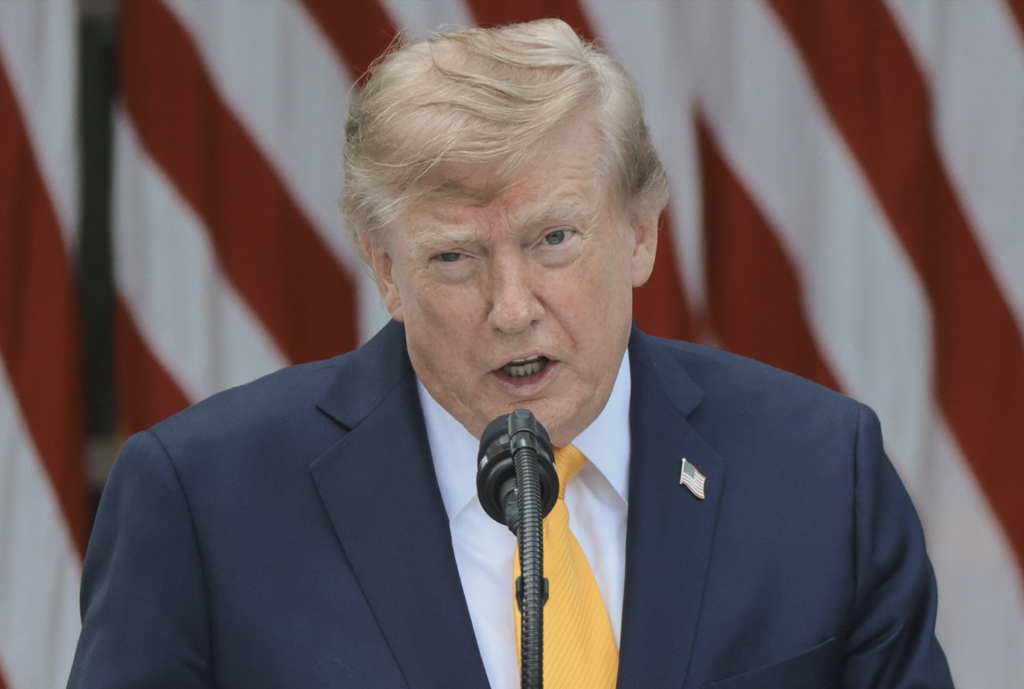
Trump Lake Ontario Lake America renaming threats escalated Tuesday after President Donald Trump said he is giving “serious consideration” to renaming Lake Ontario, one of the five Great Lakes shared by the United States and Canada, as tensions between Washington and Ottawa continue to boil over a collapsing trade relationship. The proposal, floated in a morning social media post, immediately drew sharp pushback from Canadian officials and residents on both sides of the border, many of whom pointed out that Canada has no obligation to recognize any unilateral name change to a body of water it jointly manages with the United States.
What Happened
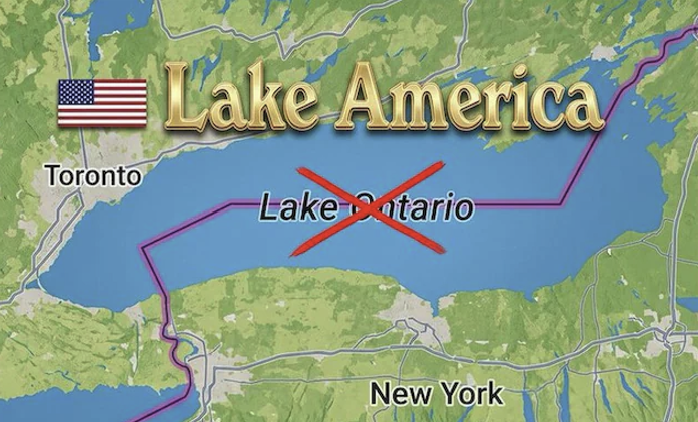
Early Tuesday, the president wrote on his social media platform that the United States was weighing a change to Lake Ontario’s name because, in his words, the country did not expect to be doing much business with the Canadian province of the same name much longer. He followed the post with an image showing a map of the lake, its official name crossed out and replaced with “Lake America” in large gold lettering, alongside an American flag graphic.
The comments landed as trade relations between the two countries reached one of their lowest points in years. Talks between American and Canadian negotiators broke down last week, and over the weekend the United States imposed steep new tariffs on tens of billions of dollars worth of Canadian goods, including dairy, wine, lumber, furniture and cement. Canada’s government has said it plans to respond with matching tariffs on American products in the coming weeks.
The renaming idea was not the president’s only jab at Canadian leadership Tuesday. In a separate post, he also pushed back on claims from Canada’s prime minister that American negotiators had pressed for changes to French-language protections for streaming content and product labeling during the trade talks, calling the claim fabricated.
Background
This is not the first time the president has proposed renaming a body of water that borders the United States. Early in his second term, he signed an executive order directing federal agencies to refer to the Gulf of Mexico as the Gulf of America, a change that was not recognized by Mexico or most of the international community but was adopted by American federal maps and some domestic institutions.
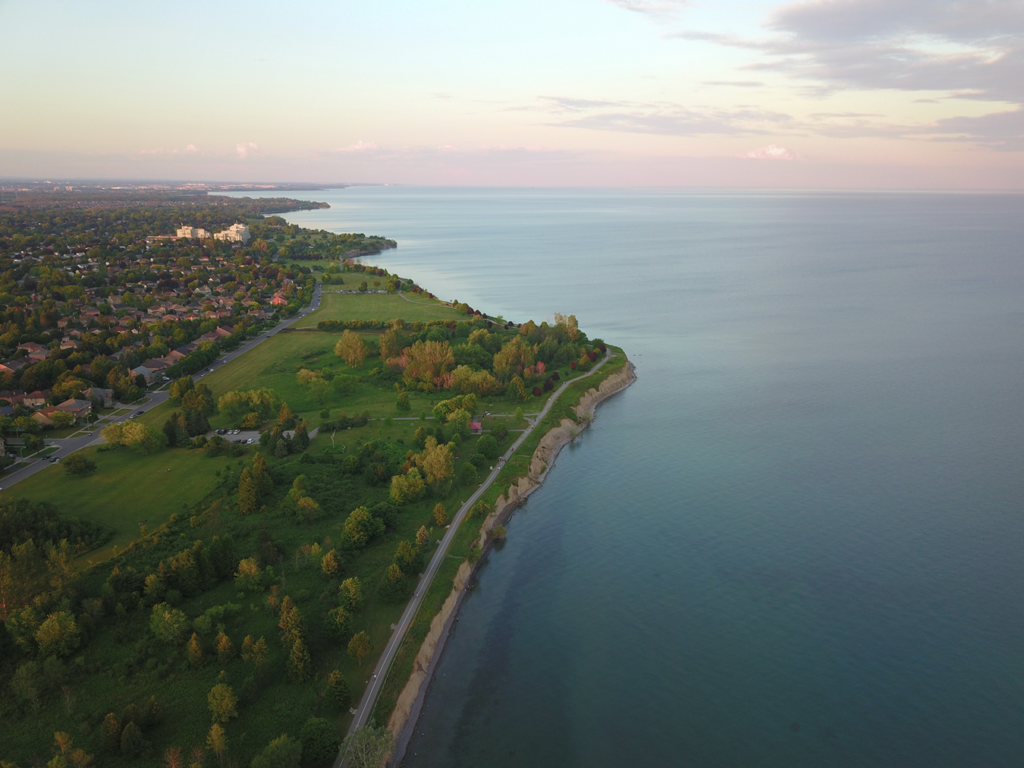
Lake Ontario is the smallest of the five Great Lakes by surface area and sits between New York state and the Canadian province of Ontario. Unlike the Gulf of Mexico, which lies primarily in international and Mexican waters, Lake Ontario is a jointly managed international waterway, meaning any American renaming effort would carry no legal weight in Canada and would likely apply only to how the United States refers to the lake on its own maps and documents.
The renaming threat comes just days after Ontario’s premier made a pointed remark inviting the president to back off his trade demands, further souring an already tense relationship between the two governments. A senior Canadian minister traveled to the United States on Monday and delivered a lengthy defense of the administration’s approach, accusing Canada of treating goods from China more favorably than goods from American states like Maine.
Why It Matters
For American readers, the episode is the latest sign that the trade dispute with Canada, historically one of the closest and most cooperative economic relationships in the world, has moved beyond tariffs and into more symbolic, culturally charged territory. Economists have warned that the 50 percent tariffs now in effect could raise prices on a range of everyday goods in both countries, from groceries to building materials, while straining a supply chain that has been tightly integrated for decades.
For Canadian readers, the proposal touches a deeper nerve around sovereignty and national identity, arriving alongside broader frustrations over trade demands, tariffs and what many officials have described as an increasingly combative tone from Washington. Geographers who study place naming note that even symbolic gestures like this can carry real diplomatic weight, particularly when they follow through on past precedent.
Expert & Official Reaction
Canada’s industry minister told reporters Tuesday that the country would always refer to the body of water as Lake Ontario and framed the renaming threat as one of several distractions in an otherwise serious trade dispute, saying Canada intends to respond strategically rather than react to every social media post. Ontario’s premier, who has feuded publicly with the president for months, said in a television interview that it might be time to lower the temperature between the two sides, acknowledging that recent exchanges had become unusually heated.
A geography researcher who studies the history of the Great Lakes told reporters that given the president’s history of following through on similar naming proposals, there is a real possibility this threat could become at least a symbolic reality within federal agencies, even though Canada would be under no obligation to adopt it. Trade officials on both sides have largely avoided commenting directly on the renaming proposal, instead focusing public statements on the tariff dispute itself.
Statistics & Context
- The United States placed 50 percent tariffs on roughly $20 billion worth of Canadian goods over the weekend.
- Canada has signaled retaliatory tariffs are expected to take effect in the weeks following the breakdown in talks.
- Lake Ontario is the smallest of the 5 Great Lakes by surface area.
- The renaming proposal echoes a similar move made more than a year earlier, when a different body of water bordering the U.S. was renamed by executive order, a change that was not internationally recognized.
What’s Next
Trade talks between Washington and Ottawa remain stalled, and both governments appear to be bracing for further tariff escalation in the coming weeks. Whether the Lake Ontario renaming proposal advances beyond a social media post remains unclear, and no formal executive action had been announced as of Tuesday afternoon. Canadian officials have indicated they intend to keep their public response focused on trade rather than the renaming threat itself, though the episode has generated significant attention and reaction from residents and commentators in both countries.
FAQ
Did Trump officially rename Lake Ontario?
No. As of Tuesday, the president said he was giving the idea serious consideration but had not signed any formal executive action.
Would Canada have to recognize a new name?
No. Because the United States and Canada jointly manage the lake, any American renaming would likely apply only to U.S. federal references and would carry no legal standing in Canada.
Has something like this happened before?
Yes. Earlier in his second term, the president signed an executive order renaming the Gulf of Mexico to the Gulf of America within U.S. federal usage, a change most other countries did not adopt.
Why is this happening now?
The proposal surfaced amid a sharp escalation in the U.S.-Canada trade dispute, days after new American tariffs took effect and talks between the two countries collapsed.
How has Canada responded so far?
Canadian officials have largely dismissed the renaming threat as a distraction, saying they will continue referring to the lake by its current name while focusing their formal response on the broader tariff dispute.
Editorial Note: This article reflects developments as of the time of publication. Statements from officials on both sides may evolve as the trade dispute continues, and this piece will be treated as a developing story subject to updates.
Sources:
ABC News – Trump floats renaming Lake Ontario as ‘Lake America’ as trade war with Canada escalates
CNN Politics – Trump floats renaming Lake Ontario to ‘Lake America’ as feud with Canada escalates
CBC News – Trump threatens to rename Lake Ontario ‘Lake America’ as trade feud heats up