
Quick Summary
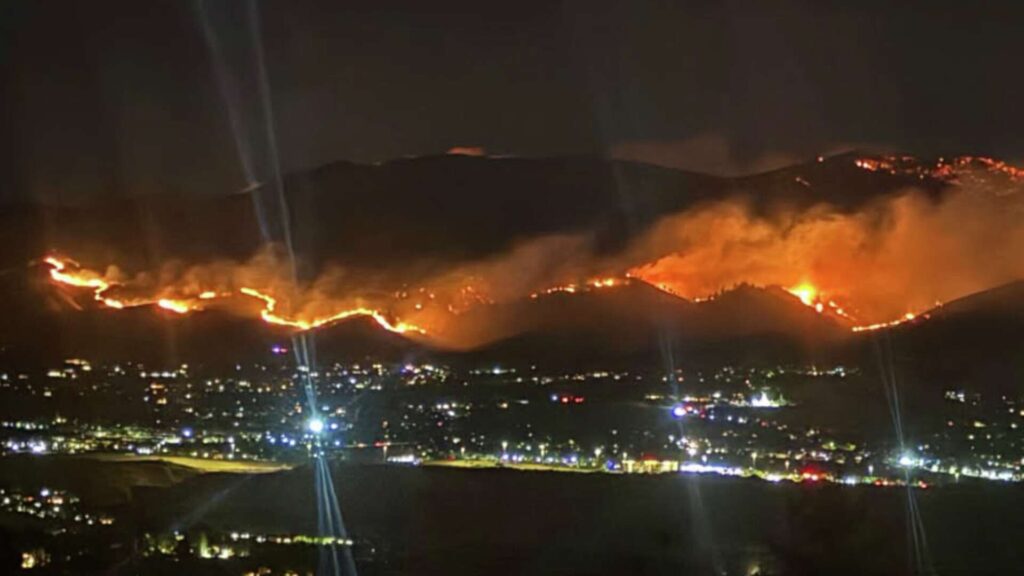
A fast-moving wildfire that ignited Saturday on a hillside just outside Reno, Nevada, has exploded to more than 15,000 acres and remains completely uncontained, forcing roughly 90,000 people to evacuate or prepare to flee as flames advance toward populated neighborhoods. Nevada Gov. Joe Lombardo declared a state of emergency for Washoe County as the blaze, named the Hawk Fire, grew nearly 50 percent in a single day, driven by gusty winds, low humidity, and dry vegetation. At least six people have been injured, and authorities say a preliminary investigation found the fire was human-caused, though officials have not released details on how it started. The fire’s advance toward the edge of the University of Nevada, Reno campus and into neighborhoods closer to the city center marks one of the more serious wildfire threats to a major American urban area so far this year.
What Happened
The Hawk Fire ignited Saturday in the Peavine Peak area of the Humboldt–Toiyabe National Forest, in rugged foothills on the Nevada side of the state line with California. What began as a small brush fire, one camper in the area told NBC News it “wasn’t even a concern” Saturday morning, grew to more than 10,500 acres by Sunday and had reached roughly 15,040 acres by Sunday afternoon, according to local outlet 8 News Now. By Monday, the fire remained at zero percent containment.
Nearly 14,000 homes were placed under mandatory evacuation orders, with the highest-urgency “GO NOW” zone expanding to the edge of the University of Nevada, Reno campus, which had an enrollment of roughly 24,000 students as of fall 2025. University officials said they had established an emergency response plan in case conditions worsened, though the campus itself remained just outside the evacuation zone as of Sunday morning. Washoe County emergency officials opened the Reno-Sparks Convention Center to evacuees, though pets were not permitted inside; residents were directed to separate locations for small and large animals.
Shane Akerson, one of three unified incident commanders with the Truckee Meadows Fire Protection District, said Sunday afternoon that 42,000 people were under mandatory evacuation orders, with another roughly 45,000 warned to be ready to leave on short notice. Truckee Meadows Fire Chief Richard Edwards described the blaze as “a very dynamic incident” driven by shifting winds. “The wind-driven fires move very rapidly into our residential areas, creating a lot of challenges for our firefighters to save homes and protect lives,” Edwards said in a video posted to social media.
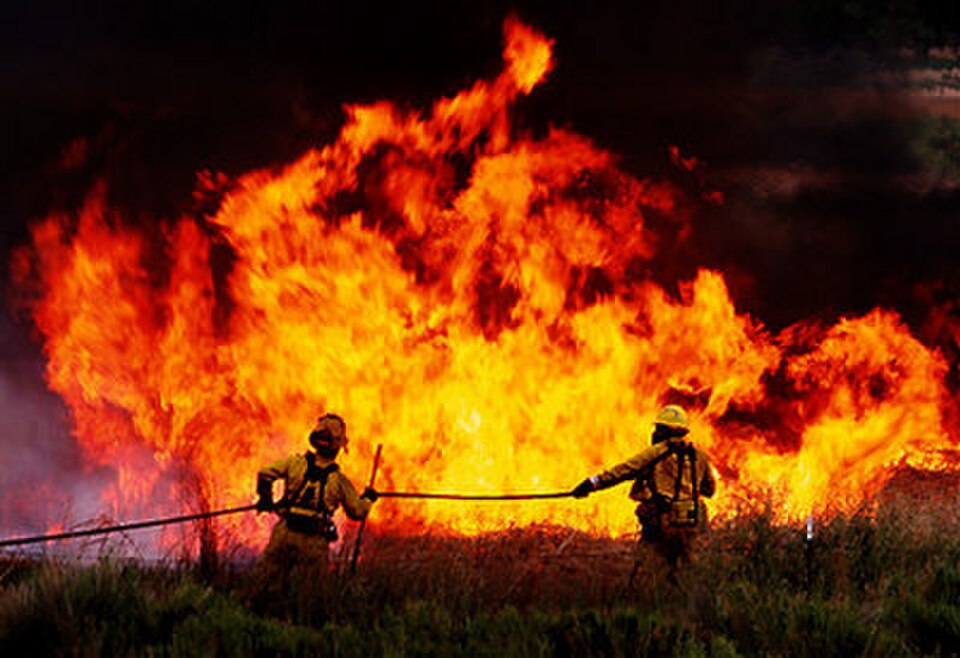
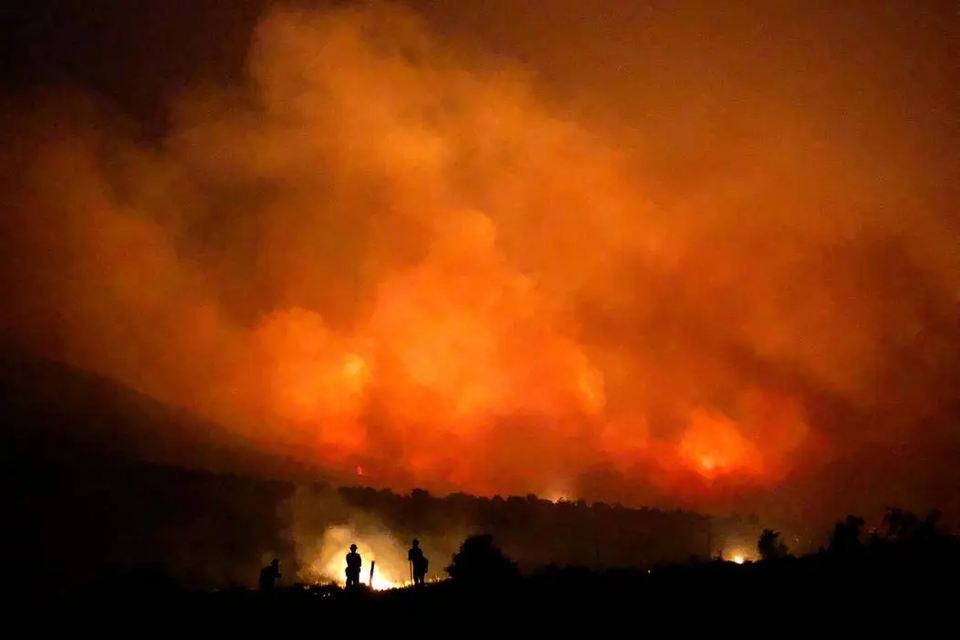
Roughly 800 firefighters were battling the blaze as of Sunday, according to CNN, but high winds complicated containment efforts. Unlike many wildfires, which typically slow overnight as temperatures drop and winds ease, the Hawk Fire continued advancing through Saturday night because conditions failed to calm as they normally would, fire officials said. Gov. Lombardo mobilized the Nevada National Guard to assist, deploying two helicopter crews for aerial firefighting support along with 60 troops to help law enforcement secure evacuated neighborhoods.
The Reno-Stead Airport, a smaller general aviation facility, was closed to non-firefighting traffic, though it remained available to aircraft supporting the firefighting effort. The larger Reno-Tahoe International Airport remained outside the evacuation zone, and commercial flights continued operating normally as of Sunday. Authorities also said they were monitoring a Washoe County detention facility located several blocks from the outer evacuation warning boundary. “We have those inmates in mind and we are making sure that we have plans in place in case we may have to evacuate the facility,” Washoe County Sheriff Darin Balaam said.
Background
Washoe County, Nevada, has faced serious wildfire threats in recent years. The Davis Fire burned roughly 5,824 acres about 20 miles south of Reno in September 2024, destroying 14 structures and forcing the evacuation of about 20,000 people, according to Cal Fire records. The Hawk Fire has already grown substantially larger than that prior blaze in less time, and its proximity to Reno’s urban core, rather than more rural surrounding areas, has raised the stakes for local emergency responders.
The fire is part of what CNN described as a broader, destructive wildfire season across the American Southwest that has already scorched thousands of acres and forced evacuations of entire towns in the region this year. Authorities have said a preliminary investigation determined the Hawk Fire was human-caused, a designation that covers a wide range of possibilities, from accidental ignition to arson, and officials have not yet disclosed further findings.
Why It Matters
The Hawk Fire’s rapid growth toward a mid-sized American city, rather than remaining confined to less populated wildland areas, illustrates how quickly wind-driven wildfires can threaten urban infrastructure once they reach dry, brush-covered foothills adjacent to residential development. The evacuation zone’s expansion to the edge of a major university campus adds a layer of institutional complexity to the response, since evacuating or securing a campus of roughly 24,000 students carries logistical challenges distinct from residential evacuations alone.
The fire’s failure to slow overnight, when temperatures and winds typically ease and give firefighters a better opportunity to gain containment, points to unusually persistent weather conditions that have made this blaze harder to control than a typical wind-driven wildfire in the region.
Analysis: What It Means
A wildfire still at zero percent containment after growing nearly 50 percent in a single day represents an active, unresolved emergency rather than a situation moving toward resolution. The deployment of National Guard helicopters and troops, combined with a state of emergency declaration, signals that Nevada state officials are treating this as a threat serious enough to warrant resources beyond local fire departments alone. Whether containment improves will likely depend heavily on whether wind and humidity conditions shift in the coming days, factors fire officials have said are currently working against firefighters rather than helping them, as they normally would overnight.
Statistics & Context
- Fire size as of Sunday afternoon: more than 15,040 acres (about 23.5 square miles)
- Containment as of Monday: 0%
- People affected in total: approximately 90,000
- People under mandatory evacuation: 42,000
- People warned to prepare for evacuation: approximately 45,000
- Homes under evacuation orders: nearly 14,000
- Firefighters battling the blaze: approximately 800
- People injured: at least 6
- National Guard troops deployed: 60, plus 2 helicopter crews
- Comparable prior fire (2024 Davis Fire, same county): 5,824 acres, 20,000 evacuated
What’s Next
Firefighters will continue working to establish containment lines as long as wind and humidity conditions permit, though officials have not offered a timeline for when containment might improve. The evacuation zone’s boundary, currently at the edge of the University of Nevada, Reno campus, will likely remain the key indicator to watch, since further expansion would place a large student population directly in the fire’s path. Washoe County officials are expected to continue providing updates on evacuation zones, shelter capacity at the Reno-Sparks Convention Center, and the status of the nearby detention facility as conditions develop.
FAQ
How big is the Hawk Fire?
It had burned more than 15,040 acres as of Sunday afternoon, growing nearly 50% in a single day, and remained at 0% containment as of Monday.
How many people have evacuated?
Roughly 42,000 people were under mandatory evacuation orders, with another 45,000 warned to be ready to leave, for a total of about 90,000 people affected.
What caused the fire?
A preliminary investigation found the fire was human-caused, though authorities have not released further details on how it started.
Is the University of Nevada, Reno campus at risk?
The highest-urgency evacuation zone reached the edge of the campus as of Sunday, though the university itself remained just outside the mandatory evacuation area. School officials said an emergency response plan is in place should conditions change.
Has anyone been hurt?
At least six people have been injured, according to the Washington Post.
Editorial Note: This article is based on reporting from CNN, NBC News, The Washington Post, ABC News, Al Jazeera, and Yahoo News (citing 8 News Now), as available at the time of publication. Fire size, containment percentage, and evacuation figures are changing rapidly and may be updated by authorities after this article’s publication.
Sources:
CNN – Nevada’s Hawk Fire Blamed on Human Activity, Official Says, as 90,000 Urged to Flee
NBC News – Wildfire Approaches Reno, Nevada, Forcing Thousands to Evacuate Their Neighborhoods
The Washington Post – Human-Caused Wildfire Approaches Reno, Nevada, Forcing Thousands of Evacuation
Al Jazeera – Thousands Displaced as Wildfire Threatens Homes in US State of Nevada