
Quick Summary
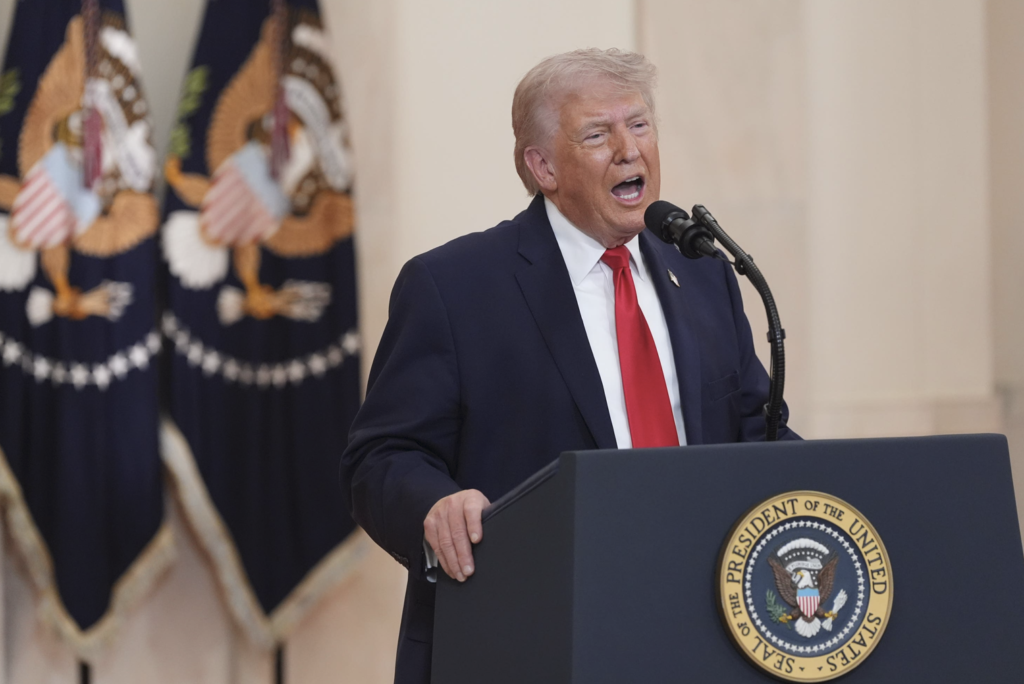
US sanctions on Iran are set to intensify dramatically as the countries’ ongoing war approaches its sixth month, after Iran warned Saturday that any nation cooperating with the new penalties would be considered an enemy of Tehran and could see its interests attacked. Mohsen Rezaei, secretary of Iran’s Supreme National Security Council, delivered the warning on state television just before Washington was set to announce what U.S. officials have called the toughest sanctions in Iran’s history. Rezaei said Iran had so far only targeted military bases in its retaliation but would strike American economic and oil interests around the world if the new sanctions moved forward.
What Happened
Rezaei told Iranian state broadcaster IRIB that Tehran was appealing to all countries, including its own neighbors, not to join what he called the United States’ economic war. He said any nation participating in new restrictions against Iran would be regarded as an enemy, and that countries refusing to distance themselves from Washington would see their interests harmed. He described Iran’s response strategy as a three-stage process beginning with talks aimed at de-escalation, and warned that any American strike on Iran’s economic interests would trigger what he called a seismic retaliation.
Rezaei also addressed the ongoing blockade of the Strait of Hormuz directly, stating that not a single drop of oil would leave the Gulf or the strait until Washington changed its approach, while maintaining that Tehran still considered itself responsible for managing the waterway. He separately claimed Iran had deliberately avoided striking American economic interests up to this point, targeting only military bases, but warned that could change if the new sanctions were imposed. Iran’s armed forces chief of staff, Major General Ali Abdollahi, reinforced the message Friday, promising crushing, punishing, and devastating military responses to any further threats.
Background
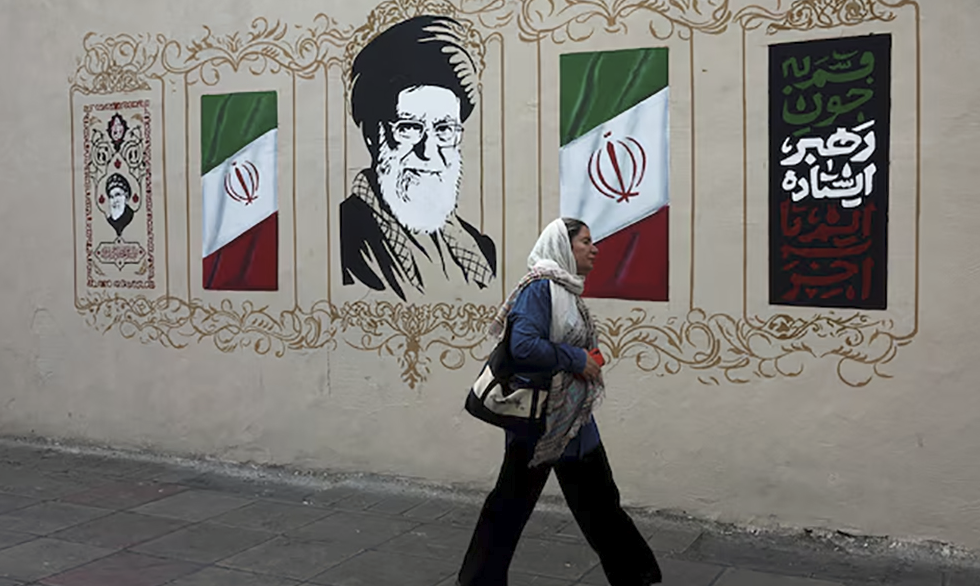
The warning comes nearly six months after the United States and Israel launched the airstrikes on February 28 that began the current war, killing much of Iran’s senior political and military leadership, including then-Supreme Leader Ayatollah Ali Khamenei. Since then, the two sides have continued exchanging strikes intermittently without moving toward a lasting ceasefire, and maritime traffic through the Strait of Hormuz, one of the world’s most important oil shipping routes, has fallen to a near standstill.
Iran’s central bank governor confirmed the country’s oil exports have effectively fallen to zero amid the intensifying economic pressure, a particularly severe blow given that China alone typically purchases more than 80% of Iran’s seaborne oil exports. Treasury Secretary Scott Bessent was expected to formally announce the new sanctions package, which the administration has branded the toughest in Iran’s history, in the days following Rezaei’s warning. The disruption has pushed regional actors to seek workarounds: Saudi Crown Prince Mohammed bin Salman traveled to France to explore alternative maritime shipping routes, while Iraq’s president said Iran had granted permission for several Iraqi oil tankers to pass through the strait after repeated requests from Baghdad.
Why It Matters
Rezaei’s warning marks one of Iran’s most direct and expansive threats yet against third-party countries, extending Tehran’s confrontation with Washington into a broader economic dimension that could draw in nations far outside the immediate Middle East region. The explicit naming of China’s exposure, given its role as Iran’s largest oil customer, signals the sanctions could reverberate through global energy markets and complicate U.S.-China relations well beyond the immediate context of the Iran war.
The near-total collapse of oil exports through the Strait of Hormuz also carries significant implications for global energy prices, given the strait’s outsized role in international oil shipping. With both sides continuing to exchange strikes and neither showing clear signs of pursuing negotiations, Rezaei’s escalatory rhetoric suggests the economic dimension of the conflict may intensify even as the direct military exchanges continue at their current pace.
Statistics & Context
- Months since the war between the US and Iran began: nearly 6 (started February 28, 2026)
- Share of Iran’s seaborne oil exports typically purchased by China: more than 80%
- Current level of Iran’s oil exports, according to its central bank governor: effectively zero
- U.S. characterization of the new sanctions package: “toughest sanctions in history”
- Stages in Iran’s described response strategy: 3, beginning with de-escalation talks
What’s Next
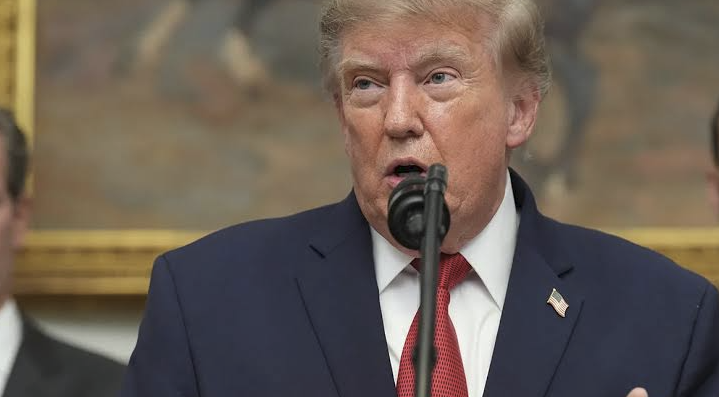
The Trump administration is expected to formally roll out its new sanctions package targeting Iran’s economy in the days following Rezaei’s warning, a move likely to test whether countries like China continue purchasing Iranian oil despite the threatened consequences. Whether Iran follows through on threats to strike American economic and oil interests abroad, something Rezaei suggested had been deliberately avoided so far, remains one of the most closely watched questions as the war approaches its six-month mark without any visible movement toward renewed peace talks.
FAQ
What did Iran threaten?
Iran’s Supreme National Security Council secretary said any country cooperating with new U.S. sanctions against Iran would be considered an enemy and could have its interests attacked.
Why is this happening now?
The warning came just before the U.S. was set to announce new sanctions described as the toughest in Iran’s history, as the broader U.S.-Iran war approaches its sixth month.
How is this connected to the Strait of Hormuz?
Iran’s official reiterated that oil shipments through the strait remain blocked and would stay that way until Washington changes its approach, even as Iran maintains it is still responsible for the waterway.
Which countries could be most affected?
China faces the most direct exposure, since it purchases more than 80% of Iran’s seaborne oil exports, though Iran’s warning was addressed to countries broadly, including its own regional neighbors.
Is the war between the US and Iran still ongoing?
Yes. The conflict, which began with U.S. and Israeli strikes on February 28, 2026, continues without a resolved ceasefire, and both sides have shown no clear signs of pursuing renewed peace talks.
Editorial Note: This article was prepared using publicly available information from international news organizations available at the time of publication. Facts may be updated rapidly given the active and evolving nature of this conflict.
Sources:
The National: Iran condemns looming US sanctions as Hormuz standoff deepens
The Times of Israel: Iran says any country cooperating with new US sanctions will be considered an enemy
Reuters via RTE: Iran warns countries against joining in US sanctions
Free Malaysia Today: Iran warns any country joining US sanctions considered enemy