
Quick Summary
Wildfire smoke pouring south from Canada and northern Minnesota has triggered air quality alerts across a huge stretch of the United States this week, with roughly 100 million Americans expected to breathe degraded air through Friday. The plume, fed by nearly 3,500 Canadian fires that have burned more than 4.8 million acres this summer and by roughly 20 active blazes in and around Minnesota’s Superior National Forest, has pushed pollution readings to hazardous levels from the Twin Cities to New York City. On Wednesday, New York briefly ranked among the most polluted major cities in the world, while Marquette, Michigan recorded an Air Quality Index of 902, a reading so extreme it sits far beyond the top of the standard 500-point scale. Health officials are urging children, older adults, pregnant women, and anyone with heart or lung conditions to limit time outdoors until the smoke clears.
What Is Happening
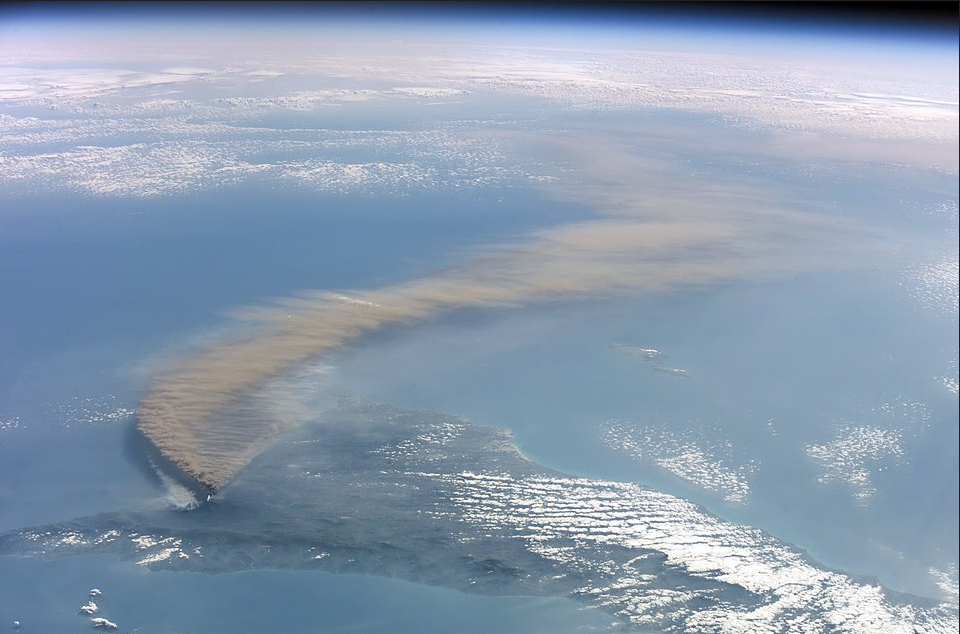
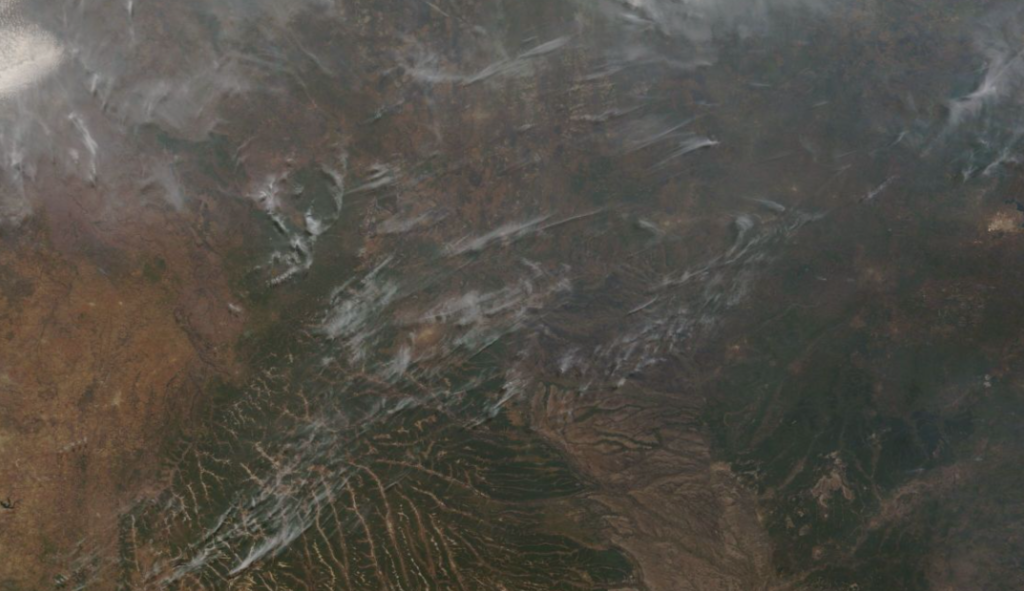
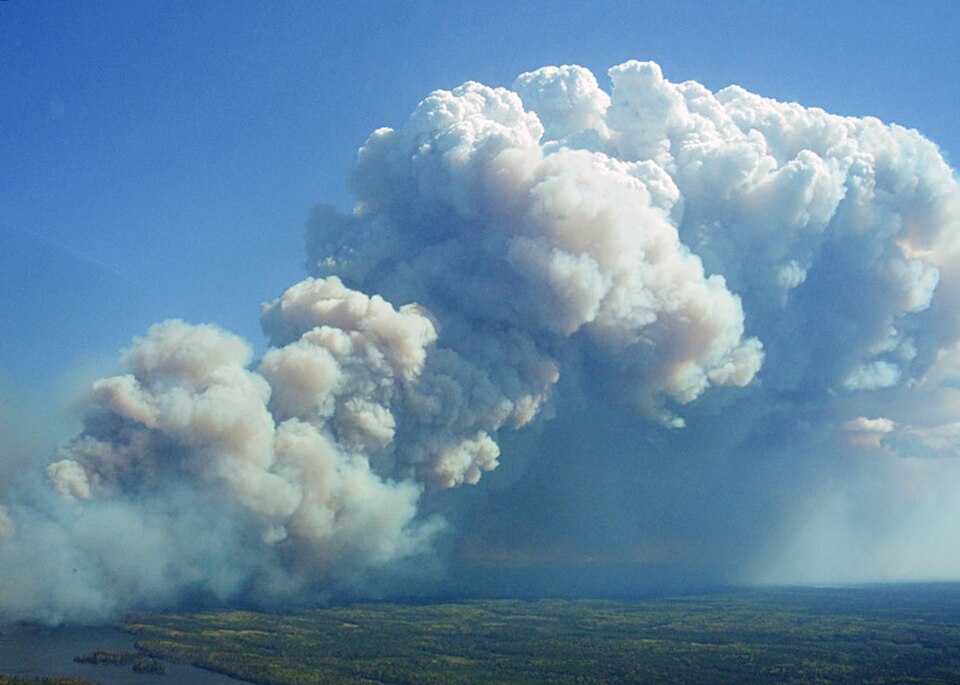
A dense river of smoke began sliding across the northern border early this week as more than 800 wildfires burned in Canada, including over 100 active fires concentrated in northwestern Ontario. At the same time, about 20 fires are burning in Minnesota’s Superior National Forest and the surrounding Arrowhead region, adding a domestic source of smoke to an already massive Canadian plume.
By Wednesday, the effects were visible and measurable across at least a dozen states. Minnesota officials issued an air quality alert running through Friday that covers the Twin Cities metro area, with the heaviest smoke concentrated in the state’s northeastern corner. The entire state of Michigan was placed under an alert for Wednesday and Thursday, with officials warning the order could be extended. Multiple counties in western and central New York were under advisories, and New York City itself is under an air quality alert until Thursday. Wisconsin, Illinois, Colorado, and parts of New England and the Mid-Atlantic, including northeastern Pennsylvania, have also seen pollution levels climb.
The numbers behind those alerts are striking. In cities across Wisconsin, Minnesota, and Michigan’s Upper Peninsula, AQI readings soared past 400, a level classified as hazardous for the entire population, not just sensitive groups. For comparison, a healthy day typically registers below 50.
How Wildfire Smoke Travels Hundreds of Miles
Wildfire smoke rises high into the atmosphere on the heat of the fires themselves, where prevailing winds can carry it enormous distances before it sinks back toward the surface. That is why residents of Manhattan, more than a thousand miles from the nearest major fire, woke up to yellow-gray skies this week.
The mechanics are familiar to anyone who lived through June 2023, when smoke from Quebec turned New York’s skyline an apocalyptic orange and gave the city, briefly, the worst air quality on Earth. Meteorologists describe this week’s setup as a similar combination of persistent northerly flow and a stagnant summer air mass that lets smoke pool near the ground instead of dispersing. A stretch of hot, dry weather across central Canada created what forecasters called a perfect storm for fire growth, and each new flare-up in Ontario feeds fresh smoke into the pipeline heading toward the Great Lakes and the Eastern Seaboard.
Why This Matters for Your Health
The danger in wildfire smoke comes primarily from fine particulate matter known as PM2.5, particles roughly 30 times smaller than the width of a human hair. They are small enough to slip past the body’s natural defenses, travel deep into the lungs, and in some cases pass directly into the bloodstream. Short-term exposure can trigger coughing, irritated eyes, and bronchitis. For people with asthma, COPD, heart disease, or diabetes, the particles can aggravate underlying conditions and, in severe episodes, send emergency room visits climbing.
Public health guidance during alerts like this week’s is consistent: stay indoors when possible, keep windows closed, run air conditioning on recirculate, use HEPA filtration if available, and postpone strenuous outdoor exercise. Cloth and surgical masks offer little protection against PM2.5, but properly fitted N95 respirators do.
The populations most at risk are children, whose lungs are still developing and who breathe more air relative to their body weight than adults, along with seniors, pregnant women, and outdoor workers who cannot simply move their day inside.
The Bigger Picture: A Worsening Pattern
This is no longer a rare event for the American Midwest and Northeast. Canadian fire seasons have grown longer and more intense, and the 2023, 2025, and now 2026 seasons have each sent major smoke episodes across the border. Nearly 4.8 million acres have burned in Canada so far this summer, and fire officials in Ontario have watched a dozen new blazes flare in recent weeks alone.
For US cities, that means smoke days are becoming a recurring summer hazard to be planned for, much like heat waves. Some school districts in Minnesota and Wisconsin moved summer programs indoors this week, and several youth sports leagues across Michigan canceled evening practices. Economists who study air pollution note that hazardous air quietly drains productivity too, keeping workers home, cutting restaurant and retail foot traffic, and raising healthcare costs in ways that rarely make headlines.
Numbers That Tell the Story
Nearly 3,500 fires have burned in Canada this summer, consuming more than 4.8 million acres. More than 800 of those fires were actively burning this week, including over 100 in northwestern Ontario. Roughly 20 additional fires are burning in and around Minnesota’s Superior National Forest. Approximately 100 million Americans are forecast to experience degraded air quality into Friday. AQI readings exceeded 400 in multiple cities across Wisconsin, Minnesota, and Upper Michigan, and Marquette, Michigan reached 902. New York City ranked at one point Wednesday as the third most polluted major city in the world, according to air quality monitoring firm IQAir.
What Comes Next
Forecasters expect poor air quality to persist through Friday as existing smoke lingers and new plumes arrive from the north. Relief depends on a shift in the upper-level wind pattern, which models suggest could arrive this weekend, though any change brings only temporary respite while the fires themselves keep burning. Canadian crews, stretched thin across hundreds of fires, have prioritized blazes threatening communities, meaning many remote fires will burn until significant rain arrives. Residents in affected states should check AirNow.gov or their state environmental agency for real-time readings before spending extended time outdoors.
Read also: Trump Lets USMCA Trade Deal Expire Without Renewal
FAQ
How long will the wildfire smoke last?
Air quality alerts currently run through Friday in most affected states. Forecasters expect conditions to improve over the weekend if wind patterns shift, but new smoke plumes could return as long as the fires in Canada and Minnesota keep burning.
What AQI level is dangerous?
Readings above 100 are unhealthy for sensitive groups, above 150 unhealthy for everyone, above 300 hazardous. Several Midwest cities exceeded 400 this week, and Marquette, Michigan hit 902, among the highest readings ever recorded in the region.
Does wildfire smoke affect healthy people?
Yes. At hazardous levels, even healthy adults can experience coughing, throat irritation, headaches, and reduced lung function. The effects are usually temporary but worth taking seriously during extreme episodes.
Do masks help against wildfire smoke?
Properly fitted N95 respirators filter out most PM2.5 particles. Cloth masks and standard surgical masks do not offer meaningful protection.
Why is smoke from Canada affecting New York?
Upper-level winds carry smoke hundreds or thousands of miles. When the smoke descends into a stagnant surface air mass, as happened this week, it concentrates near the ground far from the fires that produced it.
Editorial Note: This article was prepared using publicly available information from international news organizations and official sources available at the time of publication. Facts may be updated as authorities release new information.
Sources:
- AP via U.S. News: States Issue Air Quality Warnings as Wildfire Smoke From Canada, Minnesota Spreads
- CBS News: Wildfires expose millions in Midwest, Northeast to dangerous smoke
- CNN: Smoke from Canadian wildfires moves into US, impacting air quality
- The Washington Post: Wildfire smoke from Canada will soon spread across the Midwest and Northeast