
Quick Summary
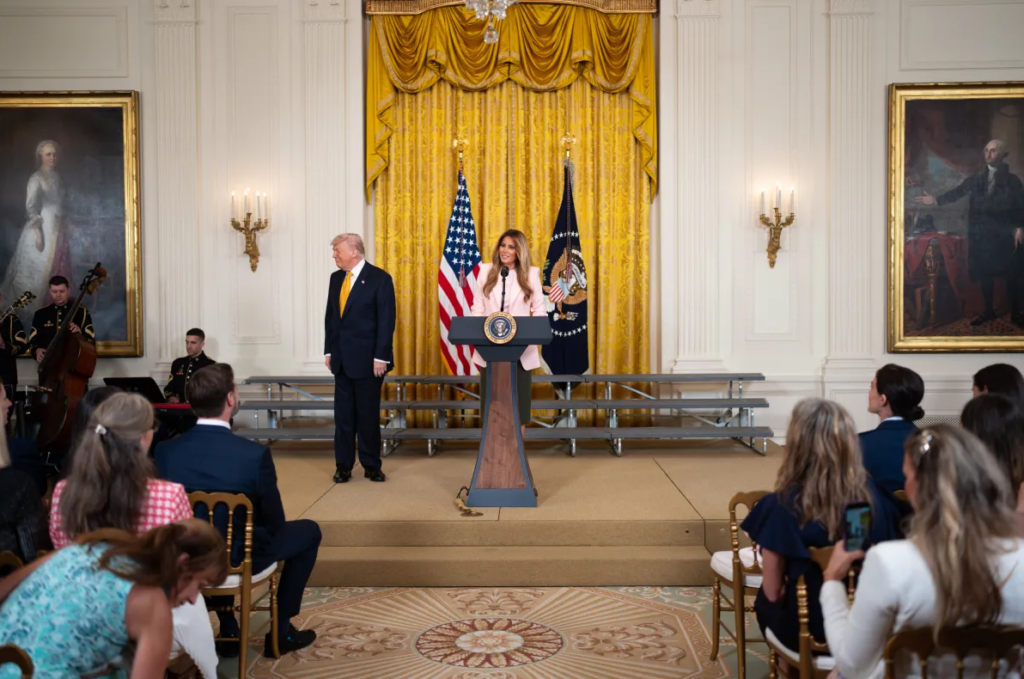
Trump accuses China of carrying out the largest compromise of election data in history, delivering a 25-minute primetime address from the White House on Thursday night in which he declassified a trove of intelligence documents. Trump accuses China of accessing roughly 220 million U.S. voter files, reviving his long-standing claims about the 2020 election he lost to Joe Biden. The newly released documents themselves do not support the claim that any votes were altered, manipulated, or that election results were changed, a conclusion U.S. intelligence agencies have consistently reached since 2021. China’s embassy in Washington flatly denied the allegations.
What Happened
According to Forbes, Trump said the intelligence, gathered by a White House task force and the president’s intelligence advisory board, shows China carried out what he described as the largest compromise of election data in history by allegedly accessing 220 million voter files. During the address, Trump said Americans could review the declassified documents themselves at WhiteHouse.gov, and announced that the Department of Homeland Security would hold a briefing on election security ahead of November’s midterm elections.
Reporting from CNN found the documents largely detail vulnerabilities that have been known for years, and that none of the material supports the idea that the 2020 results were manipulated by foreign interference or fraud in any way that would have changed the outcome. A 2019 government report had already described Chinese hackers compromising voter databases in eight states, part of a broader pattern of Chinese data collection that has also targeted medical databases, defense contractors, and federal personnel records.
Background
Trump has repeatedly pointed to unproven claims of voting machine manipulation and mail-in ballot fraud to explain his 2020 loss, allegations that failed to hold up in numerous court challenges. According to Nextgov/FCW, former Director of National Intelligence John Ratcliffe had dissented from the intelligence community’s January 2021 assessment, ultimately concluding China sought to influence the 2020 election, though even his own memorandum stopped short of concluding Beijing altered votes or interfered with the technical administration of the election.
The newly declassified emails show intelligence officials debated internally how to characterize China’s election-related activity before agreeing to publish a separate dissenting analysis rather than delay the broader assessment. Newsweek reported Trump described China as the primary foreign threat to U.S. elections during the speech, alleging Chinese operatives built dedicated intelligence units to exploit voter data.
Why It Matters
The timing puts the claims squarely ahead of November’s midterm elections, with Republicans currently defending their control of Congress. Framing the disclosures around future election security, rather than relitigating 2020 specifically, gives the administration a rationale for the announcement that doesn’t require directly overturning the intelligence community’s established conclusions about that election’s outcome.
The response from Trump’s own party suggests limited appetite for reopening the 2020 question. According to reporting cited by Bernd Pulch’s analysis, Senate Majority Leader John Thune indicated Senate Republicans are focused on 2026, not on relitigating Trump’s prior loss.
Expert & Official Reaction
China’s response: The Chinese Embassy in Washington said China has never and will never interfere in U.S. presidential elections, according to reporting from Bernd Pulch’s analysis.
Democratic response: Senate Minority Leader Chuck Schumer posted that in America, voters choose their leaders, not the other way around, accusing Trump of sowing doubt about the security of the upcoming midterms.
Former DNI’s position: John Ratcliffe said in a statement that he had long publicly highlighted China’s efforts to influence the 2020 election, and that the newly declassified documents shed further light on Beijing’s intentions.
Election security expert skepticism: Election integrity expert David Becker argued that after 18 months of total control of the federal government, the administration had produced these documents only now, rather than earlier, when questions about their substance might have been resolved sooner.
Statistics & Context
- Voter files China allegedly accessed or analyzed: more than 220 million
- Length of Trump’s primetime address: 25 minutes
- States where a 2019 report found voter databases compromised by China: 8
- Records stolen in China’s 2015 breach of the Office of Personnel Management, cited as historical context: more than 20 million
- Months the administration has controlled the federal government, per critics’ framing: 18
What’s Next
The Department of Homeland Security is expected to hold a briefing on election security in the coming weeks, with the administration saying it will work with states and local jurisdictions to patch known technical vulnerabilities ahead of the November midterms. Whether the declassified documents prompt any policy changes, congressional action, or further scrutiny of the 2020 intelligence assessment remains to be seen, though early signals from Senate Republican leadership suggest limited interest in revisiting the 2020 outcome itself.
FAQ
Do the declassified documents show China changed the 2020 election results?
No. Multiple outlets reviewing the material, including CNN, found nothing supporting the claim that votes were altered or that foreign interference changed the outcome.
What exactly does Trump claim China did?
He claims Chinese operatives accessed or analyzed more than 220 million U.S. voter files, including names, addresses, phone numbers, and political affiliations, calling it the largest compromise of election data in history.
How has China responded?
China’s embassy in Washington denied the allegations, stating it has never interfered and has no interest in interfering in U.S. elections.
Why is this coming up now?
The announcement comes ahead of November’s 2026 midterm elections, with the administration framing it as an effort to fix election security vulnerabilities rather than relitigate 2020.
What do intelligence officials actually agree on?
The intelligence community has said China sought to influence the 2020 election through data collection and other means, but has consistently found no evidence Beijing altered votes or the outcome.
Editorial Note: This article was prepared using publicly available information from international news organizations and official sources available at the time of publication. Facts may be updated as authorities release new information.
Sources:
CNN:What Trump’s newly declassified documents do – and don’t – say about threats to US elections
Nextgov/FCW:Trump stretches declassified China intelligence into broader 2020 election claims
Newsweek:Trump’s Presidential Address: Accuses China, ‘Deep State’ of Election Interference